Innovative Approaches to Preventing Common Puppy Illnesses
Discover how personalized vaccinations, smarter parasite prevention, balanced nutrition, appropriate supplements and everyday wellness habits can help your puppy build a healthier foundation.
Bringing a puppy home means welcoming a curious companion who is learning about the world one sniff, step and playful moment at a time. It also means taking responsibility for health decisions that can influence their wellbeing for years. Puppies are still developing, and their immune systems, digestive systems, bones and behaviour need thoughtful support. The good news is that preventing many common puppy illnesses does not depend on one product or a single veterinary visit. It comes from combining timely medical care with good nutrition, parasite control, hygiene and a safe environment.
Modern preventive veterinary care is becoming more individualised. Rather than following the same checklist for every dog, veterinarians consider age, breed, expected adult size, medical history, local disease risks and daily lifestyle. This guide explains practical and emerging approaches to puppy wellness, including vaccines, supplements and dietary adjustments, while separating evidence-based care from popular claims that may not be suitable for every puppy.
Important: This article is educational and is not a diagnosis or treatment plan. Vaccine schedules, medicines, supplements and diets should be selected with a licensed veterinarian who knows your puppy and the health risks in your area.
Why Preventive Healthcare Matters During Puppyhood
The first months of a dog’s life are a period of rapid growth and learning. During this stage, puppies can be vulnerable to infectious diseases, intestinal parasites, nutritional problems and environmental hazards. Conditions such as parvovirus, distemper, intestinal worm infections and respiratory infections can become serious, particularly in young or incompletely vaccinated animals.
Preventive care aims to reduce exposure, build appropriate immune protection and identify health concerns early. It also creates a record of your puppy’s weight, growth, appetite, behaviour and medical history. These details help the veterinary team notice changes that might otherwise be overlooked.
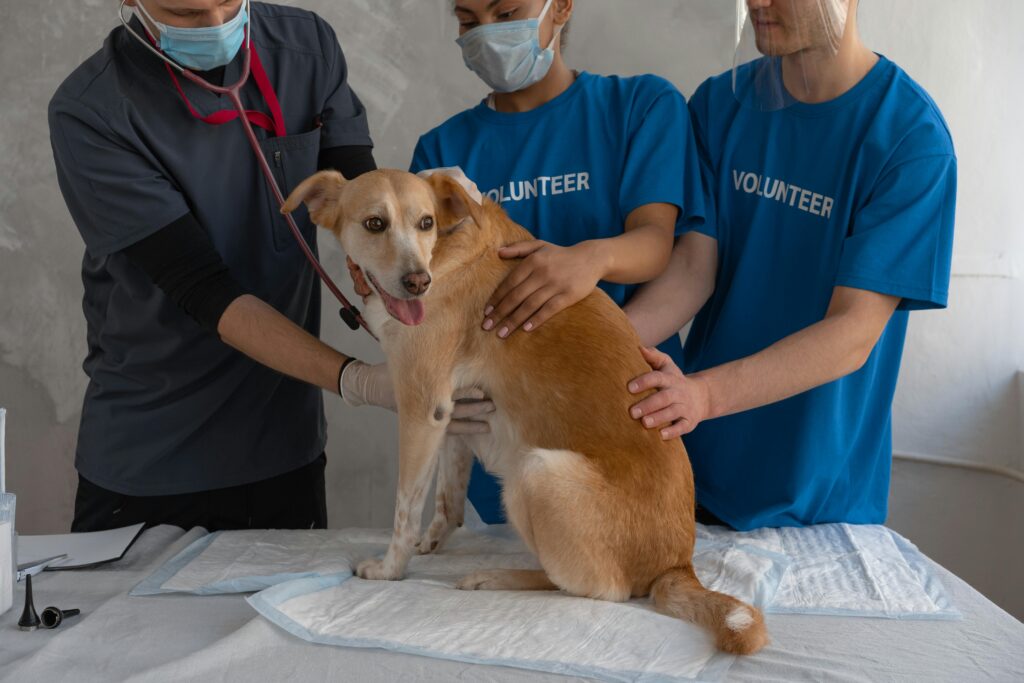
A complete puppy wellness plan typically brings together physical examinations, vaccinations, parasite screening, nutrition assessment, dental care, behaviour guidance and identification. The Merck Veterinary Manual describes preventive healthcare as a broad programme that includes health surveillance, vaccination, parasite control, nutrition and behavioural wellness—not simply occasional treatment when a puppy becomes sick.
1. Personalised Vaccination Plans: Protection Based on Risk
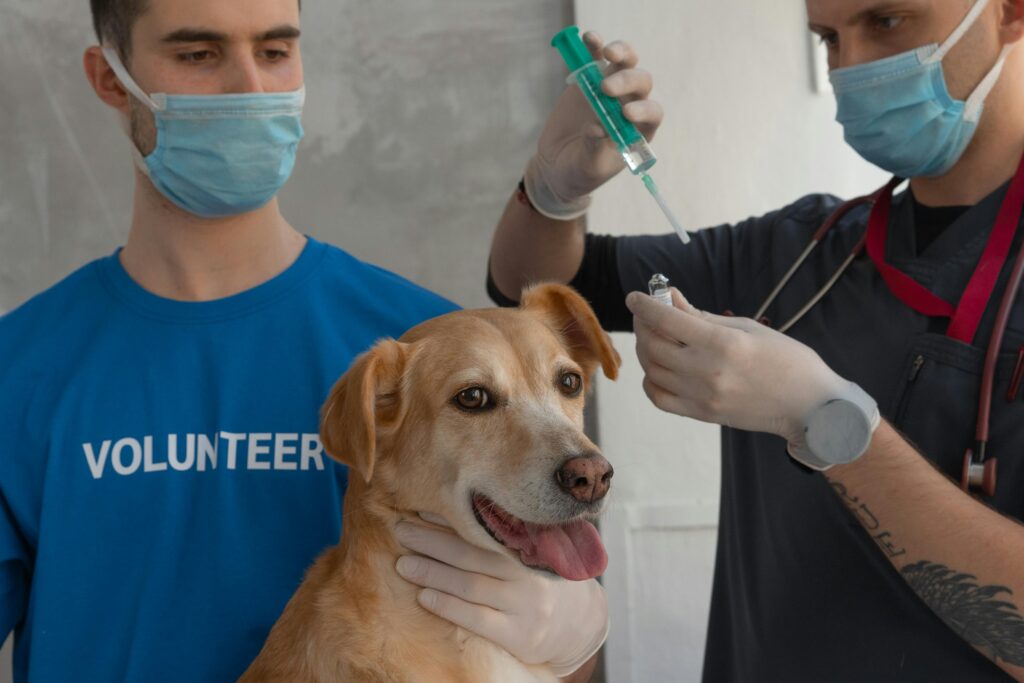
Vaccination remains one of the most important tools for protecting puppies against serious infectious diseases. Instead of relying on a one-size-fits-all list, veterinarians use vaccination guidelines alongside an assessment of the puppy’s age, previous vaccine history, location and likely exposure to other animals.
Core vaccines and lifestyle-based vaccines
Core vaccines protect against diseases considered important risks for dogs generally. Common core vaccine targets include canine distemper, adenovirus and parvovirus. Rabies vaccination is also essential and must follow the applicable local legal requirements. The American Animal Hospital Association’s canine vaccination guidance was updated in 2024 to include leptospirosis as a core recommendation in its guidance framework. Recommendations can differ by region, so your veterinarian should apply the guidance relevant to where you live.
Other vaccines may be recommended according to lifestyle and exposure. These can include protection against Bordetella (kennel cough), canine influenza or Lyme disease in regions where the risk is relevant. A puppy who attends group classes, visits boarding facilities or regularly meets unfamiliar dogs may have a different risk profile from a puppy with limited contact.
Why the timing of puppy vaccines matters
Puppies receive temporary antibodies from their mother, and these can affect how well an early vaccine dose works. For this reason, vaccination is usually given as a series rather than as one injection. The 2024 World Small Animal Veterinary Association (WSAVA) guidelines describe starting core puppy vaccination from around six weeks of age, repeating doses at three- to four-week intervals until at least 16 weeks; in some higher-risk situations, the series may continue to 20 weeks. The precise plan depends on the puppy and the vaccine used.
Keep a written or digital vaccination record and ask the clinic to explain which dose is due next. Do not assume that a puppy is fully protected immediately after the first appointment. Your veterinarian can also explain when social activities and visits to public areas are appropriate.
What is changing in vaccination practice?
Current guidance places greater emphasis on individual risk assessment, correct vaccine timing, documentation and follow-up. In selected circumstances, veterinarians may discuss antibody testing (serology) to help assess immunity to certain diseases. Such testing does not replace every vaccine and is not appropriate for every situation, but it can be part of a considered discussion for an individual dog.
For further detail, review the WSAVA Global Vaccination Guidelines and the AAHA Canine Vaccination Guidelines.
2. Smarter Parasite Prevention and Regular Screening
Internal and external parasites can affect a puppy’s digestion, skin, energy and general health. Roundworms, hookworms, whipworms, Giardia, fleas, ticks and heartworms are among the concerns veterinarians may consider. Some parasites can also pose a risk to people, making household hygiene part of responsible pet care.
A modern parasite-control plan is not simply a reaction to visible fleas or worms. It combines preventive medication, appropriate testing and environmental management. The choice of product and schedule should take account of the puppy’s age, weight, health, location and exposure.
Use testing to guide prevention
Veterinarians may recommend faecal testing to look for intestinal parasites, even when a puppy appears healthy. The Companion Animal Parasite Council recommends frequent faecal examinations during the first year of life because young animals are particularly susceptible. The exact testing interval and treatment plan should be set by the veterinary team.
Build a consistent parasite-control routine
- Ask your veterinarian which flea, tick, heartworm and intestinal parasite preventives are appropriate for your puppy.
- Use only products labelled for the puppy’s age and current body weight.
- Follow the prescribed interval and do not combine parasite products unless your veterinarian confirms that the combination is safe.
- Pick up dog waste promptly and wash hands after handling it.
- Keep bedding, food bowls and sleeping areas clean, and manage fleas in the home if an infestation occurs.
- Check your puppy’s coat and skin regularly, especially after outdoor activities.
Do not use a product intended for adult dogs, another species or a different weight range without veterinary approval. Some ingredients and concentrations can be unsafe for young or small puppies.
See the Companion Animal Parasite Council general guidelines for additional information about parasite testing and prevention.
3. Nutrition That Supports Healthy Growth and Immunity
Food is a daily part of preventive healthcare. Puppies need a balanced diet that provides energy and the right proportions of protein, fat, vitamins and minerals for growth. Feeding an adult maintenance food, an unbalanced homemade recipe or too many treats can make it harder to meet a growing puppy’s nutritional needs.
Choose a complete food designed for growth
Look for a commercially prepared food labelled as complete and balanced for puppy growth or the appropriate life stage. Large-breed puppies may need a diet specifically formulated for controlled growth and appropriate mineral balance. Breed size, expected adult weight, health conditions and food tolerance all matter when choosing a product.
Ask your veterinarian to assess the food’s nutritional adequacy, feeding instructions and suitability for your puppy. The WSAVA Global Nutrition Guidelines provide resources that support nutritional assessment and informed feeding discussions.
Measure portions and monitor body condition
Package feeding charts are useful starting points, not exact prescriptions for every puppy. Appetite, activity, growth rate and calorie needs vary. Measure meals rather than repeatedly filling the bowl, and review your puppy’s body condition and weight with the veterinary team. A puppy should grow steadily without becoming excessively thin or carrying unnecessary body fat.
Make hydration part of the routine
Fresh, clean water should be available throughout the day. Wash water bowls regularly and take water on outings, especially in warm weather. Reduced drinking, repeated vomiting or diarrhoea, dry or tacky gums, and unusual weakness can indicate a health concern that needs prompt veterinary advice.
4. Puppy Supplements: Useful in Specific Cases, Not Every Puppy
Supplements are often marketed for immunity, digestion, skin, coat, joints and brain development. Some products may have a role in particular clinical situations, but a healthy puppy eating a complete and balanced growth diet does not automatically need additional vitamins or minerals. More is not always better: unnecessary supplementation can unbalance the diet or create toxicity risks.
Probiotics and digestive support
Probiotics contain live microorganisms intended to support aspects of gut health. A veterinarian may consider a specific product for selected puppies experiencing digestive disruption or during certain treatment plans. Evidence and product quality vary, and probiotics are not a substitute for investigating persistent diarrhoea, vomiting, poor growth or appetite loss.
Omega-3 fatty acids
Omega-3 fatty acids, including EPA and DHA, have recognised roles in normal body functions. A veterinarian may recommend a measured source in selected cases, depending on the puppy’s diet and health needs. Do not add fish oil or other concentrated oils casually: products differ in concentration, purity and suitability, and excess calories can affect weight.
Vitamins, minerals and joint supplements
Calcium, vitamin D and other nutrients are especially important to get right during growth. Adding extra calcium to a complete puppy food without a medical reason can disrupt nutritional balance, particularly in large-breed puppies. Joint-support products are also not automatically necessary for every growing dog. Ask your veterinarian whether a supplement has a clear purpose, suitable evidence, an appropriate dose and a quality-controlled source.
Smart supplement rule: Take the product label or a photograph of the ingredients to your next appointment. Ask whether it is needed, whether it interacts with any medicine, and how the correct dose is calculated for your puppy’s weight.
5. Support Digestive Health Through Consistent Feeding Habits
Digestive upsets are common in puppies because they explore with their mouths, experience changes in routine and may be exposed to parasites or infections. Sudden food changes, rich table scraps and excessive treats can also contribute to loose stools or vomiting.
Introduce a new food gradually over several days, or follow your veterinarian’s transition plan if a medical diet is required. Keep meal times consistent and avoid frequent switching between brands simply because a puppy seems curious about a new flavour. Treats should remain a modest part of daily calorie intake, and unsafe foods should be kept out of reach.
Never assume that persistent diarrhoea is just a food issue. Puppies can become dehydrated quickly. Blood in the stool, repeated vomiting, marked lethargy, refusal to eat or suspected exposure to parvovirus warrants prompt veterinary assessment.
6. Everyday Hygiene and a Safer Home Environment
Small daily habits can reduce exposure to infectious organisms and prevent avoidable injuries. Clean food and water bowls, wash bedding regularly, remove waste from the yard and keep household cleaning products, medicines, pesticides and toxic plants out of reach.
Ask your veterinary clinic how to reduce infection risks in shared environments while your puppy completes its vaccine series. Avoid letting an incompletely vaccinated puppy investigate areas heavily used by unknown dogs or areas contaminated with faeces. At the same time, early socialisation is important. Your veterinarian can help you choose controlled, lower-risk experiences, such as meeting healthy vaccinated dogs in a clean private setting or attending a well-managed puppy class with appropriate health policies.
Use positive reinforcement to make grooming, paw handling, tooth brushing and veterinary visits less stressful. Regularly check the ears, coat, paws and mouth, but avoid inserting objects into the ear canal or using human medicines and cleaning products unless advised.
7. Early Detection: Use Wellness Visits to Spot Problems Sooner
Preventive veterinary appointments are an opportunity to check more than vaccinations. A physical examination can assess weight, growth, heart and lung sounds, eyes, ears, skin, teeth, movement and general development. The veterinarian may recommend diagnostic tests based on the puppy’s symptoms, history, breed or exposure.
Keep a simple health diary or digital record with dates of vaccinations, parasite treatments, food changes, weight checks and any unusual symptoms. A short note about when a problem started, how often it happens and whether it is getting better can help the veterinarian make a more informed assessment.
Technology can make record keeping easier. Digital reminders can help owners remember boosters and preventive treatments, while clinic portals may make vaccination records and follow-up instructions easier to access. These tools support veterinary care; they do not replace a physical examination or professional diagnosis.
8. Common Puppy Illnesses and Practical Prevention Steps
Canine parvovirus
Parvovirus is a highly contagious disease that can cause severe gastrointestinal illness, including vomiting, diarrhoea and dehydration. Timely vaccination, avoiding contaminated environments and prompt veterinary attention when symptoms appear are key preventive measures.
Canine distemper
Distemper is a serious viral disease that can affect respiratory, digestive and nervous systems. Vaccination is the main preventive measure. Keep your puppy’s vaccine schedule current and seek veterinary advice after possible exposure or if concerning signs develop.
Intestinal worms and protozoal infections
Parasites can cause diarrhoea, poor growth, a pot-bellied appearance or other signs, although some infected puppies show few obvious symptoms. Veterinary-recommended deworming, faecal testing, waste removal and hand hygiene help reduce risk.
Kennel cough and other respiratory infections
Respiratory infections may spread where dogs gather, including boarding facilities, grooming settings and group classes. Vaccination against selected respiratory pathogens may be recommended based on exposure. Good ventilation, sensible group-health policies and keeping sick dogs away from gatherings also help.
Skin and ear problems
Fleas, mites, allergies, moisture and infections can contribute to itching, redness, odour or hair loss. Regular checks and appropriate parasite prevention are useful, but ongoing scratching, sores, discharge or head shaking should be assessed rather than treated with random over-the-counter products.
9. Healthy Socialisation, Exercise and Rest
Health is not only about preventing infection. Puppies also need appropriate movement, sleep, mental stimulation and positive experiences. A predictable routine can reduce stress and help owners notice changes in energy, appetite or behaviour.
Choose exercise suited to age, breed, size and physical development. Avoid forcing a young puppy into strenuous activity or prolonged exercise, and be particularly careful in hot or humid weather. Short play sessions, sniffing games, gentle training and rest breaks can provide enrichment without overexertion.
Socialisation should be gradual and positive. Introduce everyday sounds, surfaces, people and safe environments at a pace the puppy can manage. Avoid overwhelming encounters and ask your veterinarian or a qualified reward-based trainer for help if the puppy shows persistent fear.
10. Warning Signs That Need Veterinary Attention
Contact your veterinarian if your puppy develops persistent diarrhoea, repeated vomiting, coughing, eye or nasal discharge, loss of appetite, unusual tiredness, skin irritation or a sudden change in behaviour. Explain when the symptoms began and whether your puppy has eaten, drunk or passed stool normally.
Seek emergency veterinary care for difficulty breathing, collapse, seizures, severe bleeding, suspected poisoning, severe weakness, a swollen painful abdomen or repeated attempts to vomit without producing anything. Do not wait for a routine appointment if your puppy appears seriously unwell. Avoid giving human medication or attempting home treatment without professional instructions.
11. A Practical Puppy Prevention Checklist
Use this checklist as a conversation starter with your veterinary team. The timing of each item should be personalised to your puppy.
- Book an initial veterinary examination soon after bringing your puppy home.
- Share adoption, breeder, vaccination and deworming records.
- Agree on a personalised core and risk-based vaccination schedule.
- Discuss faecal testing and an age- and weight-appropriate parasite prevention plan.
- Choose a complete and balanced food suitable for growth and expected adult size.
- Review treats, supplements, feeding portions and body condition.
- Keep fresh water available and maintain clean bowls, bedding and living areas.
- Plan safe socialisation, age-appropriate exercise and sufficient rest.
- Keep a record of weight, symptoms, medications and upcoming appointments.
- Save the contact details and location of a nearby emergency veterinary service.
Frequently Asked Questions About Preventing Puppy Illnesses
1. What is the best way to prevent common puppy illnesses?
The strongest approach combines veterinary examinations, timely vaccinations, parasite prevention, balanced puppy food, clean living conditions and early attention to symptoms. No single measure prevents every illness, so a consistent plan is important.
2. Which vaccines are important for puppies?
Core vaccines commonly protect against distemper, adenovirus and parvovirus. Rabies vaccination should follow local legal requirements. Other vaccines may be recommended according to location and lifestyle. Your veterinarian should determine the schedule and products for your puppy.
3. When should a puppy start vaccinations?
Many puppy vaccination programmes begin at approximately six to eight weeks, with repeat doses at intervals recommended by the veterinarian. The series is generally continued through at least 16 weeks, and sometimes longer where risk is higher or guidelines indicate it.
4. Do puppies need supplements every day?
No. A healthy puppy eating a complete and balanced growth diet may not need additional supplements. Only add vitamins, minerals, probiotics, oils or joint products when your veterinarian identifies a reason and recommends a suitable product and dose.
5. Are probiotics safe for puppies?
Some veterinary probiotic products may be appropriate in selected cases, but quality and evidence vary. Ask your veterinarian before using one, especially if your puppy has diarrhoea, vomiting, a chronic condition or is taking medication.
6. How can I protect my puppy from worms and fleas?
Ask your veterinarian for a parasite prevention plan based on age, weight, health and local risks. Follow product instructions carefully, arrange recommended faecal testing, clean the puppy’s environment and remove waste promptly.
7. What food is best for preventing nutritional problems?
Choose a complete and balanced food formulated for puppy growth and appropriate for your puppy’s expected adult size. Ask your veterinarian to review the diet, portion size and growth pattern rather than relying only on the feeding chart on the packet.
8. Can I take my puppy outside before all vaccinations are complete?
Some carefully managed socialisation may be appropriate before the vaccine series is finished, but the level of risk depends on local disease activity and the puppy’s health history. Ask your veterinarian which places, classes and dog interactions are suitable.
9. How often should a puppy visit the veterinarian?
Puppies generally need several appointments during early development for examinations, vaccines and preventive care. The interval depends on age, medical history and the services due. Your clinic can provide a written schedule.
10. When should I worry about vomiting or diarrhoea?
Repeated vomiting, persistent diarrhoea, blood in the stool, weakness, poor appetite or signs of dehydration need prompt veterinary advice. Young puppies can deteriorate quickly, so do not delay contacting a clinic.
Final Thoughts: Build Healthy Habits From the Very Beginning
Preventing common puppy illnesses is an ongoing process, not a one-time task. Advances in veterinary guidance and preventive products have made it easier to create care plans that reflect an individual puppy’s age, environment, nutrition and exposure risks. However, the most effective approach remains a thoughtful combination of professional veterinary advice and consistent daily care.
Keep vaccinations on schedule, use parasite prevention responsibly, choose balanced food, question supplement claims and maintain a clean, safe environment. Monitor your puppy’s growth and behaviour, and contact a veterinarian whenever something seems unusual. Small, informed decisions made early can help reduce preventable health risks and support a happier, healthier life with your dog.
Partner with your veterinarian to review vaccines, parasite protection, diet, supplements and wellness appointments. Your puppy’s needs will change as they grow, so keep the plan updated at every stage.
Further Reading and Veterinary Resources
- World Small Animal Veterinary Association (WSAVA) – Vaccination Guidelines
- American Animal Hospital Association (AAHA) – Canine Vaccination Guidelines
- WSAVA – Global Nutrition Guidelines
- Companion Animal Parasite Council (CAPC) – General Guidelines
- Merck Veterinary Manual – Preventative Health Care for Small Animals
Guidelines and product recommendations may change. Veterinary resources linked above provide general professional guidance; your local veterinarian should interpret them for your puppy’s circumstances.