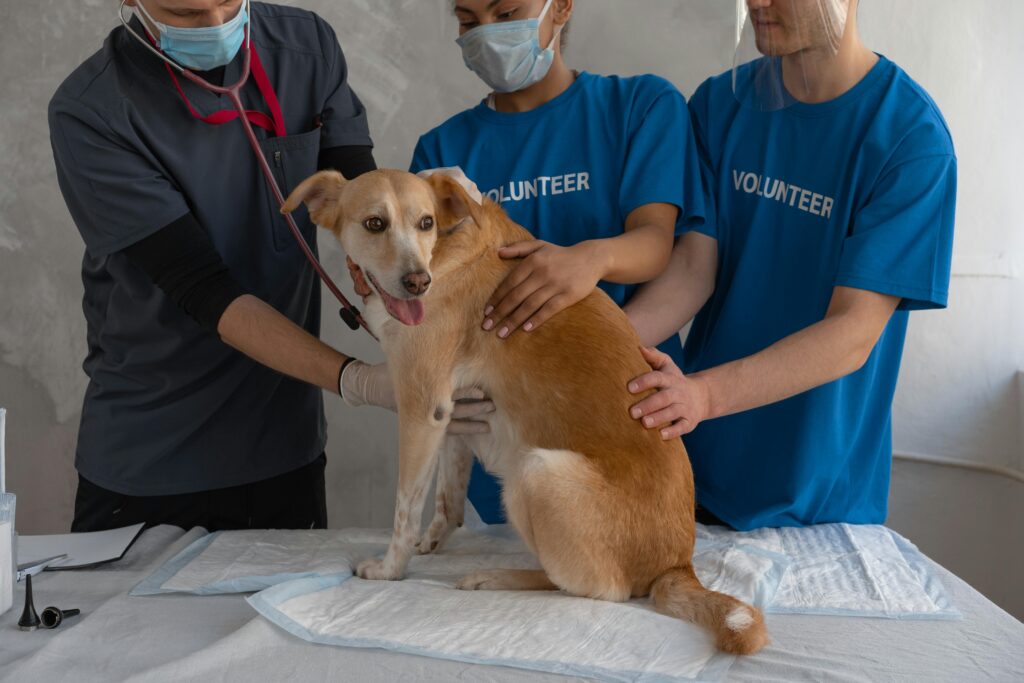

Bringing a puppy into your life is a heart-warming experience filled with playful moments, tiny tail wags, and unconditional love 🐶❤️. Along with the cuddles and fun comes an important responsibility: giving your puppy the right nutrition from the very beginning. What your puppy eats in the early months plays a huge role in their growth, immunity, energy levels, and overall lifelong health. This beginner-friendly guide is designed to help new puppy parents understand puppy nutrition in a simple, practical, and stress-free way.
At PetsDogPuppy, we believe that healthy food choices today build strong, happy, and active dogs tomorrow. Let’s walk step by step through everything you need to know about feeding your puppy the right way.
Why Puppy Nutrition Matters So Much
Puppies are not just small dogs. Their bodies are growing rapidly, their bones are developing, and their brains are learning every single day 🧠🐾. During the first year of life, puppies need more nutrients per pound of body weight than adult dogs. A poor diet at this stage can lead to weak bones, digestive issues, low immunity, and growth problems that may last a lifetime.
Proper puppy nutrition supports
strong bones and joints
healthy muscles
a shiny coat and healthy skin
brain and eye development
a strong immune system
Feeding the right diet from day one is one of the most loving things you can do as a pet parent.
Understanding Your Puppy’s Nutritional Needs
A balanced puppy diet is all about the right mix of nutrients. Each nutrient has a special role to play in your puppy’s development.
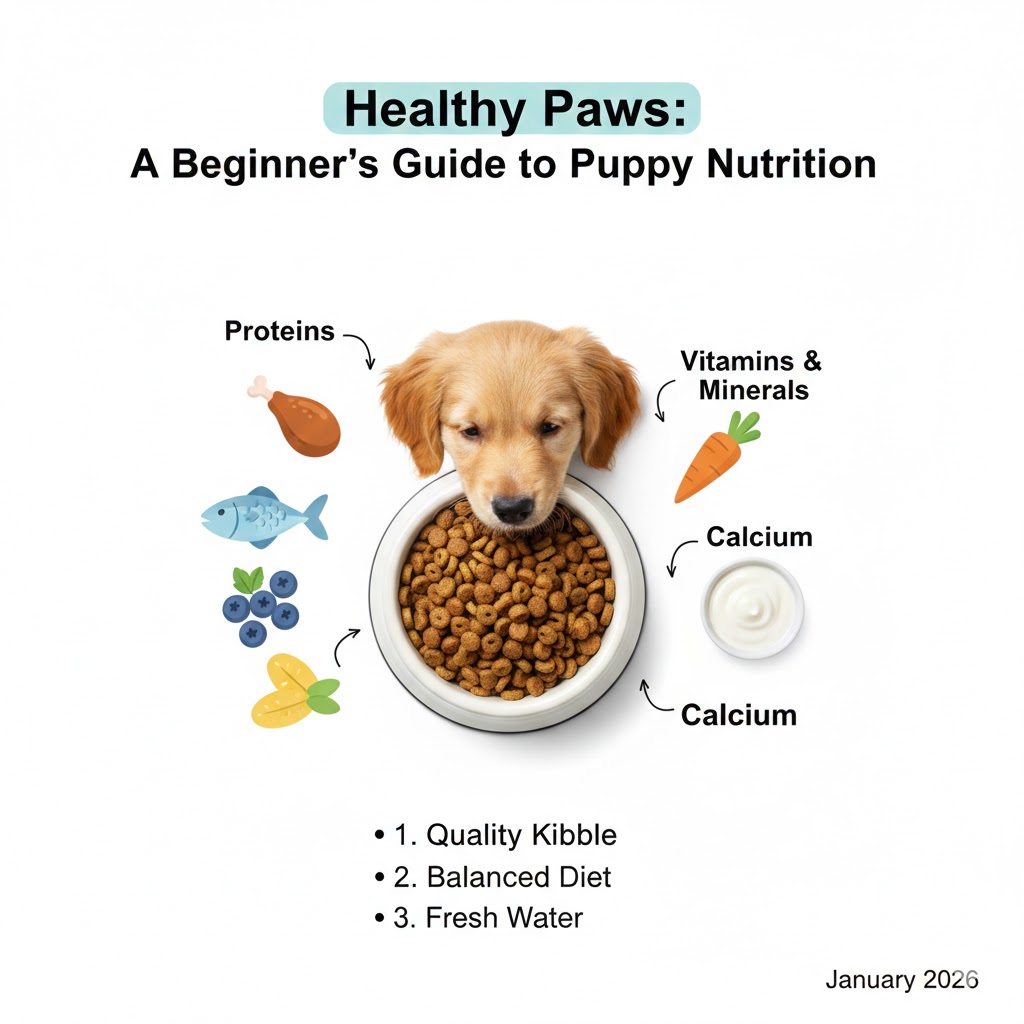
Protein is the building block of growth. It helps develop muscles, tissues, and organs. Puppies require higher protein levels than adult dogs because their bodies are constantly growing and repairing themselves. High-quality animal protein sources like chicken, lamb, fish, or eggs are ideal.
Fats provide energy and help with brain development, especially omega-3 and omega-6 fatty acids. These fats also keep your puppy’s coat shiny and skin healthy ✨.
Carbohydrates give puppies quick energy. While dogs don’t need carbs in large amounts, healthy sources like rice, oats, and sweet potatoes support digestion and stamina.
Vitamins and minerals are essential for bone growth, immune strength, and overall balance. Calcium and phosphorus, in particular, are crucial for strong bones and teeth, but they must be in the correct ratio to avoid skeletal problems.
Water is often overlooked but is the most important nutrient of all 💧. Puppies should always have access to clean, fresh water.
Puppy Food vs Adult Dog Food
One of the most common mistakes new owners make is feeding puppies adult dog food too early. Puppy food is specially formulated to meet the higher energy and nutrient needs of growing dogs.
Puppy food contains
more protein for growth
higher fat content for energy
balanced calcium and phosphorus for bone development
Adult dog food lacks the nutritional density puppies need and may slow growth or cause deficiencies. Puppies should stay on puppy-specific food until they reach maturity, which varies by breed size.
Small breeds usually transition to adult food around 9 to 12 months, medium breeds around 12 months, and large or giant breeds may need puppy food for up to 18 to 24 months.
Dry Food, Wet Food, or Homemade Diets
New puppy parents often feel confused about which type of food is best. Each option has its pros and cons, and the right choice depends on your puppy’s needs and your lifestyle.
Dry puppy food (kibble) is convenient, affordable, and helps keep teeth clean. Look for high-quality kibble with real meat as the first ingredient.
Wet puppy food is more palatable and hydrating. It can be helpful for picky eaters or very young puppies but is usually more expensive.
Homemade diets can work if done correctly, but they require careful planning and veterinary guidance. An unbalanced homemade diet can cause serious nutritional deficiencies. If you choose this route, consult a vet or pet nutritionist.
At PetsDogPuppy, we recommend prioritizing balanced, vet-approved puppy food unless you have professional guidance for homemade meals.
Feeding Schedule for Puppies
Puppies have small stomachs but high energy needs, which means they should eat smaller meals more frequently.
Here is a general feeding schedule
6 to 8 weeks: 4 meals per day
8 weeks to 6 months: 3 meals per day
6 months onward: 2 meals per day
Consistent meal times help regulate digestion and prevent overeating. Avoid free feeding, where food is available all day, as it can lead to obesity and poor eating habits.
How Much Should You Feed Your Puppy
Feeding the right amount is just as important as feeding the right food. Overfeeding can cause rapid weight gain and joint stress, while underfeeding can slow growth.
Always check the feeding guidelines on the puppy food package as a starting point. These guidelines are based on weight and age. However, every puppy is unique.
Watch your puppy’s body condition
You should be able to feel their ribs but not see them clearly
They should have a visible waist when viewed from above
They should be energetic but not lethargic
Adjust portions as your puppy grows, and consult your vet during regular checkups.
Importance of Calcium and Bone Health
Bone development is especially critical for puppies, particularly large breeds. Too much or too little calcium can lead to skeletal problems.
Never add calcium supplements unless your vet recommends them. High-quality puppy food already contains the correct balance. Large-breed puppies need specially formulated large-breed puppy food to control growth rate and protect joints 🦴.
Treats and Snacks for Puppies
Treats are wonderful for training and bonding, but they should be given wisely.
Treat rules to follow
Treats should make up no more than 10 percent of daily calories
Choose soft, puppy-friendly treats
Avoid human food with salt, sugar, or spices
Healthy treat options include
small pieces of boiled chicken
carrot sticks
commercial puppy training treats
At PetsDogPuppy, we always remind puppy parents that treats are rewards, not meals.
Foods Puppies Should Never Eat
Some foods that are safe for humans can be dangerous or even deadly for puppies.
Avoid giving puppies
chocolate
grapes and raisins
onions and garlic
avocado
xylitol (found in sugar-free products)
cooked bones
These foods can cause poisoning, digestive blockages, or serious health issues. When in doubt, keep it out.
Transitioning to New Food Safely
Whether you are switching brands or moving from breeder food to your chosen puppy food, transitions should be slow.
A gradual 7-day transition helps prevent stomach upset
Day 1–2: 75% old food, 25% new food
Day 3–4: 50% old food, 50% new food
Day 5–6: 25% old food, 75% new food
Day 7: 100% new food
If your puppy shows signs of diarrhea, vomiting, or refusal to eat, slow the transition and consult your vet.
Signs Your Puppy Is Eating Well
A well-fed puppy shows clear signs of good nutrition
steady weight gain
bright eyes 👀
shiny coat
regular bowel movements
high energy and playfulness
If you notice dull fur, frequent diarrhea, bloating, or lethargy, nutrition may need adjustment.
Special Nutritional Needs
Some puppies may have specific dietary needs due to allergies, sensitive stomachs, or medical conditions.
Food allergies can cause itching, ear infections, and digestive issues. In such cases, your vet may recommend limited-ingredient or hypoallergenic diets.
Puppies with sensitive stomachs benefit from easily digestible foods with fewer ingredients.
Always consult a veterinarian before making major dietary changes.
The Role of Water in Puppy Nutrition
Proper hydration is essential for digestion, temperature regulation, and overall health. Puppies lose water quickly through play and need frequent access to fresh water.
Tips for hydration
Keep water bowls clean
Refresh water multiple times a day
Monitor intake during hot weather
Never restrict water as a way to manage house training.
Building Lifelong Healthy Eating Habits
The habits you build now will shape your dog’s relationship with food for life. Feeding at regular times, avoiding table scraps, and offering balanced meals helps prevent picky eating and obesity later on.
Positive mealtime habits include
feeding in a calm environment
using meals as training opportunities
avoiding constant food changes
At PetsDogPuppy, we emphasize that nutrition is not just about food, but about routine, consistency, and care.
Final Thoughts on Puppy Nutrition
Feeding your puppy properly is an investment in their future health, happiness, and longevity 🐕💙. While puppy nutrition may feel overwhelming at first, understanding the basics makes it much easier to make confident choices.
Focus on
high-quality puppy food
proper portions
consistent feeding schedules
safe treats
fresh water
With the right nutrition, your puppy will grow into a strong, energetic, and joyful companion. Remember, you don’t have to figure it all out alone. Trusted resources like PetsDogPuppy are always here to support you with reliable, practical puppy care guidance.
Healthy paws start with healthy meals, and every good choice you make today helps your puppy live a better tomorrow 🌈🐾