Bringing a puppy home is an exciting and emotional experience. Those playful eyes, tiny paws, and endless curiosity instantly make them a part of the family. While enjoying these special moments, it’s equally important to focus on your puppy’s health from the very beginning. One of the most essential steps in early puppy care is following the right puppy vaccination schedule. At PetsDogPuppy, we believe informed pet parents raise healthier, happier puppies, and vaccination plays a major role in that journey 🐾
Puppies are born with immature immune systems, which makes them vulnerable to dangerous diseases during their early weeks of life. Vaccinations help protect them during this critical stage and prepare their bodies to fight serious infections. Understanding when and why vaccines are needed allows you to give your puppy the strongest possible start.
Why Puppy Vaccinations Are So Important
Vaccinations are designed to protect puppies from contagious and potentially fatal diseases. Many of these illnesses spread easily through contact with infected animals, shared spaces, or even contaminated surfaces. A properly vaccinated puppy has a much higher chance of growing into a healthy adult dog.
Some common diseases prevented through vaccination include parvovirus, distemper, canine hepatitis, and rabies. These illnesses can cause severe suffering, long-term health complications, and in some cases, death. Treating them is often expensive and emotionally draining. Preventive care through vaccines is far safer and more effective.
At PetsDogPuppy, we always emphasize prevention over treatment. Vaccinating your puppy not only protects them but also helps reduce the spread of disease within the dog community 🐕💙
Understanding How Puppy Vaccines Work
Vaccines work by exposing your puppy’s immune system to a safe version of a virus or bacteria. This exposure does not cause illness but teaches the immune system how to recognize and fight the disease in the future. When your puppy encounters the real virus later in life, their body is already prepared to defend itself.
Puppies initially receive antibodies from their mother’s milk, but these antibodies fade over time. That’s why vaccinations are given in a series rather than all at once. Each dose builds stronger immunity as your puppy grows.
Core Puppy Vaccination Schedule
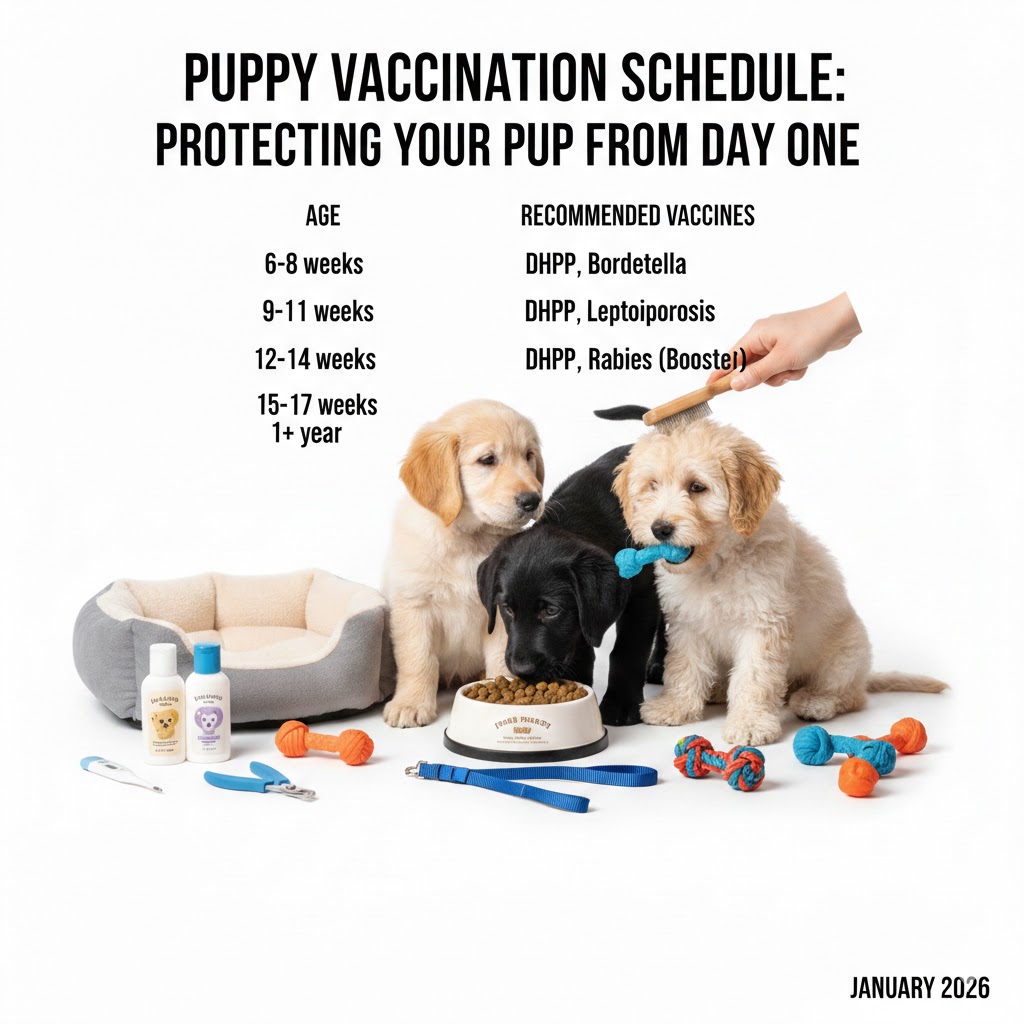
Most veterinarians follow a standard vaccination schedule designed to protect puppies during their most vulnerable stages. While individual needs may vary, this timeline is widely recommended.
6 to 8 Weeks Old
This is usually the first vaccination stage for puppies. At this age, they receive their first dose of the DHPP vaccine. DHPP protects against distemper, hepatitis, parainfluenza, and parvovirus. These diseases are highly contagious and can be life-threatening for young puppies.
After this vaccination, your puppy may feel slightly tired or sore for a short time. These mild reactions are normal and usually disappear within a day.
10 to 12 Weeks Old
During this stage, puppies receive a booster dose of the DHPP vaccine. This booster strengthens the immunity started by the first injection. In some regions, veterinarians may also recommend the leptospirosis vaccine during this time, especially if the puppy is likely to be exposed to wildlife, standing water, or outdoor environments.
PetsDogPuppy recommends discussing your puppy’s lifestyle with your veterinarian to determine whether optional vaccines are necessary.
14 to 16 Weeks Old
This is one of the most important stages in the puppy vaccination schedule. Puppies receive their final DHPP booster, which completes the core vaccine series. This dose ensures long-term protection against the most dangerous puppy diseases.
Around this age, puppies also receive their rabies vaccination. Rabies is a fatal disease that can affect both animals and humans, and vaccination is legally required in many areas. Once your puppy receives this vaccine, they are considered protected under local regulations.
Non-Core Vaccines and When They Are Needed
In addition to core vaccines, there are non-core vaccines that may be recommended based on your puppy’s environment and lifestyle. Not every puppy needs these, but they can be very beneficial in certain situations.
Bordetella, commonly known as kennel cough, is often recommended for puppies who attend daycare, training classes, or boarding facilities. Canine influenza vaccines may be advised for dogs who frequently interact with other dogs in public places. Lyme disease vaccines are sometimes suggested in areas with high tick populations.
PetsDogPuppy encourages pet parents to make vaccine decisions based on real risk rather than giving unnecessary shots.
Can Vaccines Cause Side Effects in Puppies
Most puppies handle vaccinations very well. Mild side effects such as slight fever, tiredness, or swelling at the injection site are common and usually temporary. These signs typically resolve within 24 to 48 hours.
Serious reactions are rare but may include vomiting, facial swelling, difficulty breathing, or extreme lethargy. If you notice any of these symptoms, contact your veterinarian immediately. Monitoring your puppy after vaccinations is an important part of responsible care.
What If You Miss a Vaccine Appointment
Missing a vaccine appointment can happen, especially with busy schedules. If this occurs, don’t panic. Contact your veterinarian as soon as possible to reschedule. In most cases, the vaccination series can continue without starting over.
Consistency is key, so keeping reminders or a vaccination calendar can help. PetsDogPuppy suggests saving vaccine dates on your phone or maintaining a written record.
Puppy Socialization and Vaccination Timing
Socialization is essential for a puppy’s emotional and behavioral development, but it should be done safely. Puppies are not fully protected until they complete their vaccination series, usually around 16 weeks of age.
Before full vaccination, avoid high-risk areas such as dog parks or places with unknown dogs. Instead, allow controlled interactions with fully vaccinated dogs, invite friends with healthy pets to your home, or enroll in puppy classes that require vaccination proof.
Balancing safety and social exposure helps raise a confident, well-adjusted dog 🐶
Keeping Track of Your Puppy’s Vaccination Records
Maintaining accurate vaccination records is extremely important. These records may be required for boarding, grooming, training classes, travel, or emergency veterinary visits.
Your puppy’s vaccination record should include vaccine names, dates administered, and your veterinarian’s contact information. PetsDogPuppy recommends keeping both a physical copy and a digital backup for easy access.
Cost of Puppy Vaccinations
The cost of puppy vaccinations varies depending on location and veterinary clinic. Many clinics offer vaccination packages that bundle multiple shots at a lower cost. Some animal shelters and community clinics also provide affordable vaccination programs.
While the initial cost may seem significant, vaccinations prevent expensive medical treatments later in life. Investing in preventive care saves money and protects your puppy’s long-term health.
Vaccinations Beyond Puppyhood
After the first year, dogs require booster vaccinations to maintain immunity. Core vaccines are often boosted every one to three years, depending on veterinary guidance and vaccine type. Rabies boosters follow local legal requirements.
Regular veterinary checkups help ensure your dog remains protected throughout adulthood.
Building a Strong Foundation for a Healthy Life
Vaccinations are just one part of responsible puppy care. A balanced diet, regular exercise, mental stimulation, grooming, and routine vet visits all contribute to your puppy’s overall well-being. When these elements work together, your puppy has the best chance at a long, happy life.
At PetsDogPuppy, our mission is to support pet parents with trustworthy, practical guidance from day one. Understanding your puppy’s vaccination schedule empowers you to make confident decisions and protect your furry companion from preventable diseases.
Final Thoughts
Protecting your puppy starts the moment they come home. Following a proper puppy vaccination schedule is one of the most loving and responsible choices you can make. Vaccines provide essential protection during your puppy’s most vulnerable stages and lay the groundwork for a healthy future.
With the right knowledge, timely vet visits, and continued care, you’re giving your puppy the gift of safety and strength. For more expert puppy care tips, health guides, and training advice, continue exploring PetsDogPuppy — your trusted partner in raising a happy, healthy pup 🐾💛