
Caring for a pregnant dog requires knowledge, patience, and close attention to her physical and emotional needs. Whether you’re an experienced breeder or it’s your dog’s first litter, understanding how to support her through pregnancy can ensure a healthier outcome for both the mother and her puppies.
1. Confirm the Pregnancy
Before making changes to your dog’s care routine, have a veterinarian confirm the pregnancy. Common methods include:
- Palpation (usually around 28–30 days after mating)
- Ultrasound (detectable as early as 25 days)
- X-rays (best for counting puppies, after 45 days)
Professional confirmation ensures accurate timing and identifies potential risks early.
2. Adjust Her Diet
A pregnant dog needs a nutrient-rich diet to support her developing puppies, especially during the last few weeks.
- First 4–5 weeks: Continue her regular diet, ensuring it’s high-quality and balanced.
- Weeks 6–9: Gradually switch to a puppy food formula that offers higher protein and calorie content.
- Smaller meals: As her abdomen expands, feed her smaller portions more frequently.
Avoid overfeeding early on—excess weight can lead to delivery complications.
3. Minimize Intense Activity
Light exercise is still important during pregnancy to maintain muscle tone and overall health.
- Provide short, calm walks daily.
- Avoid rough play, jumping, or running, especially in the final trimester.
- Keep her indoors more frequently as her due date approaches.
Avoid stress and sudden changes in routine.
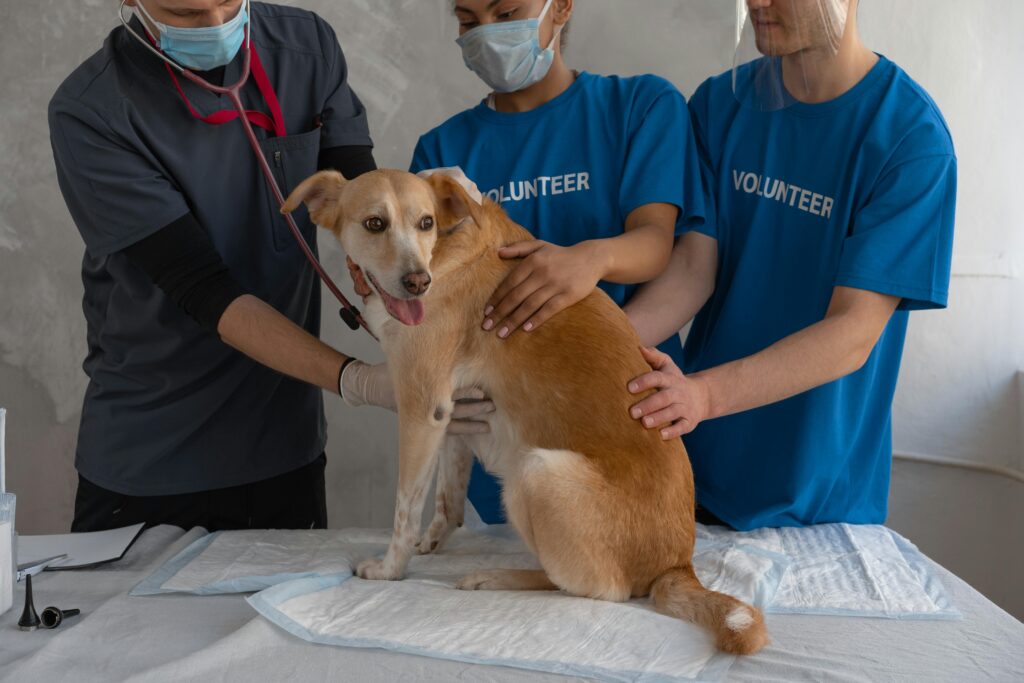
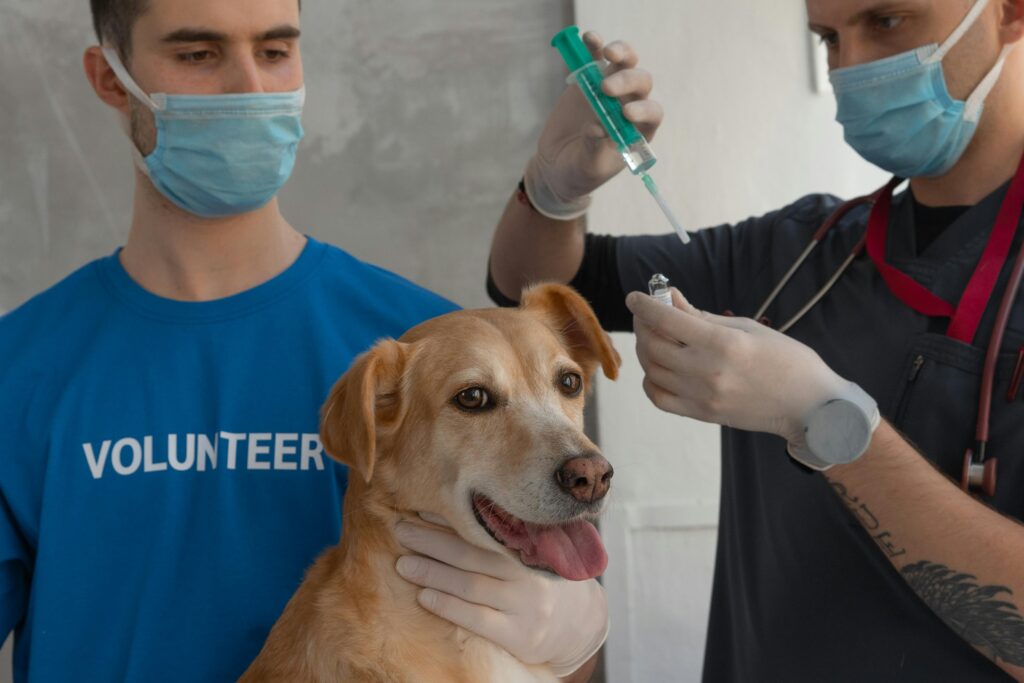
4. Schedule Regular Vet Visits
Prenatal checkups are crucial. Your vet will monitor:
- Weight gain and body condition
- Fetal development
- Signs of infection or complications
- Vaccination and deworming schedules
Note: Some vaccines are not safe during pregnancy. Discuss any upcoming boosters with your veterinarian.
5. Prepare a Whelping Area
Create a quiet, comfortable space where your dog can give birth and care for her puppies.
- Choose a warm, draft-free location away from foot traffic.
- Use a whelping box large enough for her to stretch and move freely.
- Add clean, soft bedding that’s easy to change.
Introduce her to the area at least a week before the expected delivery so she feels safe and secure.
6. Watch for Signs of Labor
Gestation in dogs typically lasts 58 to 65 days. As the due date nears, monitor for:
- Nesting behavior
- Drop in body temperature below 100°F (usually 12–24 hours before labor)
- Loss of appetite
- Restlessness or pacing
Contact your vet if labor doesn’t begin 24 hours after temperature drops or if labor seems prolonged or difficult.
7. Postpartum Care
After delivery:
- Make sure all puppies are nursing within a few hours.
- Watch for signs of infection in the mother (fever, foul discharge, lethargy).
- Keep the whelping area clean and dry.
- Provide extra food and water, as nursing increases nutritional demands.
Monitor both the mother and her litter daily for at least the first two weeks.
Final Thoughts
Supporting your dog through pregnancy is a rewarding but serious commitment. By providing proper nutrition, a stress-free environment, and regular veterinary care, you can help ensure a safe and healthy experience for both your dog and her puppies. PetsDogPuppy