A puppy refusing to eat can be worrying for any owner. While occasional appetite changes are normal, consistent lack of interest in food may indicate stress, discomfort, or an underlying issue. Understanding the reasons behind your puppy’s eating habits can help you respond quickly and effectively. This guide explains the common causes and practical steps you can take to get your puppy eating again.
Common Reasons Puppies Stop Eating
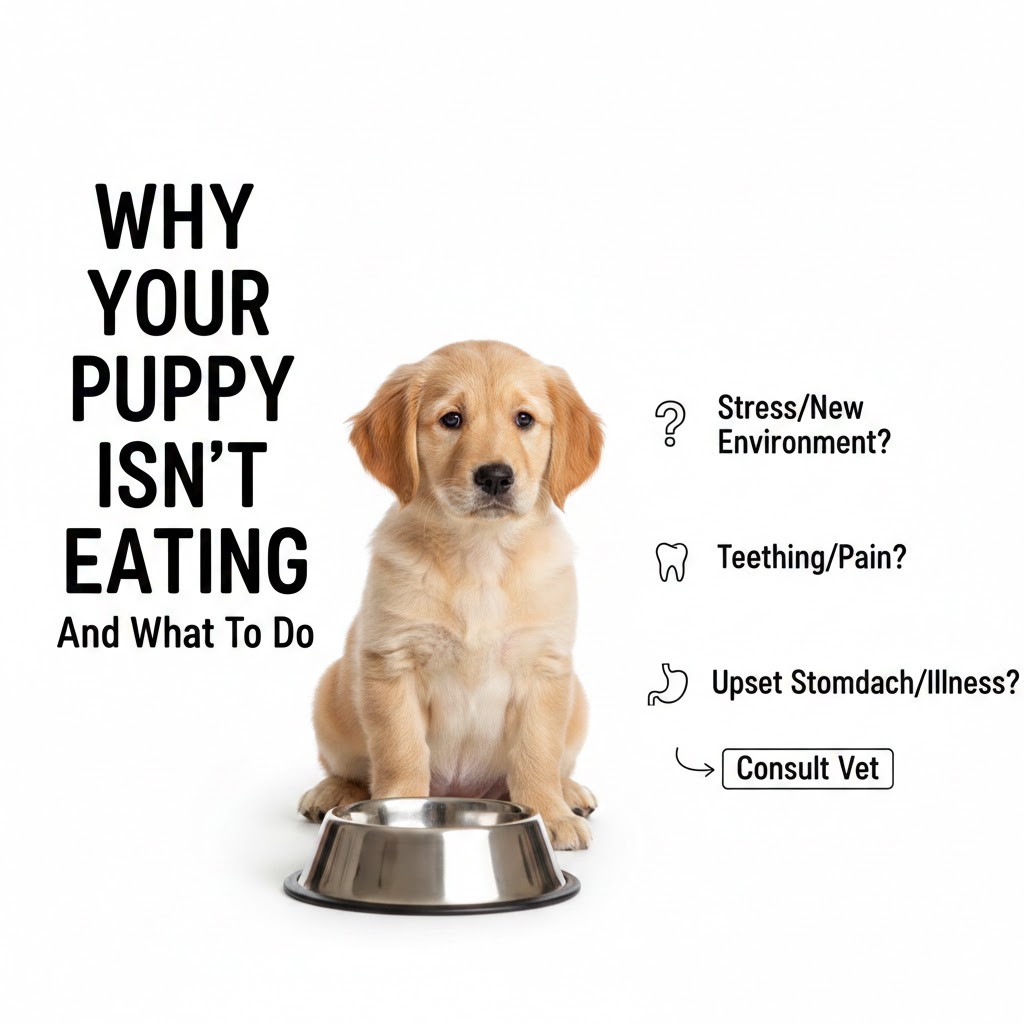
Puppies can lose their appetite for many simple or temporary reasons. Changes in routine, new surroundings, or loud noises can cause stress that affects mealtime. Puppies also have sensitive stomachs and may refuse food if they experience mild digestive discomfort. Teething, mild fever, or recent vaccinations may also temporarily reduce appetite.
Check for Environmental Changes
If something in your puppy’s surroundings has changed, it may affect their willingness to eat. New visitors, different feeding bowls, unfamiliar smells, or even moving the food bowl’s location can disrupt their comfort. Keeping the feeding environment calm and consistent helps your puppy feel secure during meals.
Evaluate the Food You Are Offering
Puppies can be picky, and sometimes they simply dislike the flavor or texture of the current food. If you recently switched brands, your puppy may be adjusting to the new formula. Make transitions slowly by mixing the old and new food over several days. Ensure the food is fresh and not expired.
Watch for Signs of Digestive Upset
Vomiting, diarrhea, or bloating can cause your puppy to avoid eating. Even mild stomach discomfort may be enough for them to refuse food. These symptoms can come from eating something off the floor, playing too soon after meals, or trying a new treat. Monitoring your puppy’s behavior can help determine the cause.
Consider Teething Discomfort
Teething puppies may avoid crunchy kibble if their gums are sore. Softening the food with warm water or offering puppy-specific wet food can make eating more comfortable. This phase usually passes as adult teeth emerge.
Check for Illness or Pain
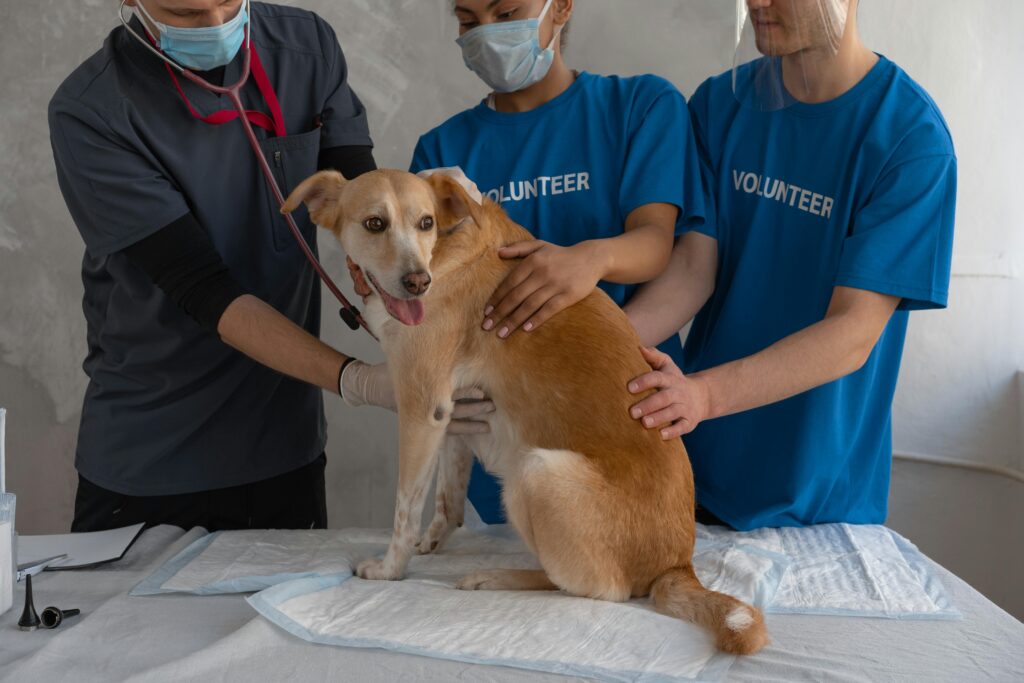
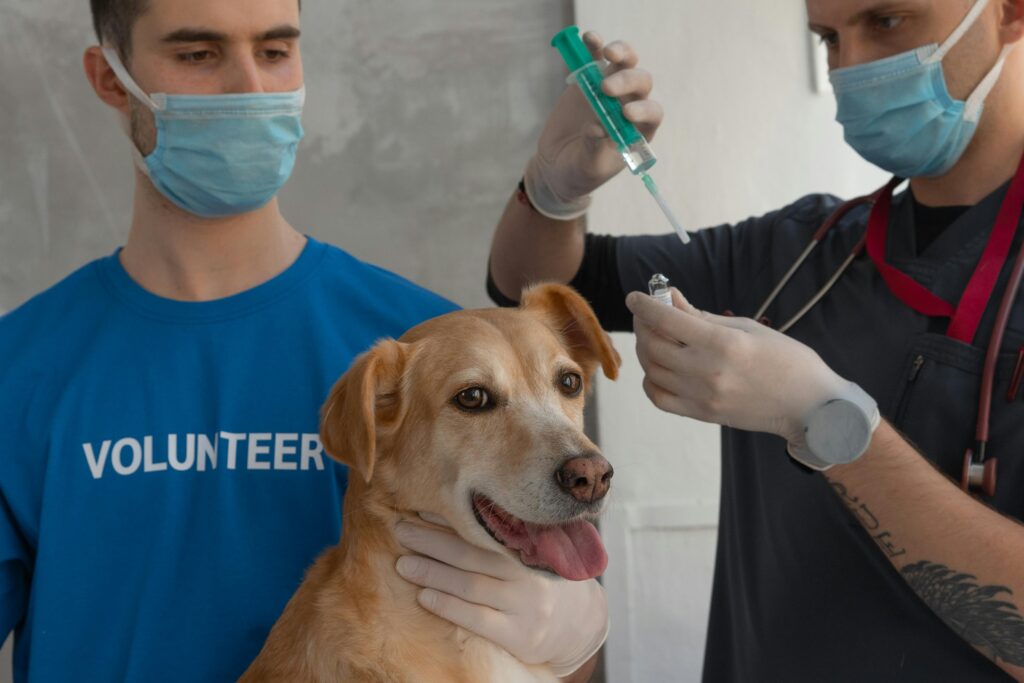
If your puppy refuses food for more than a day or shows signs like fatigue, coughing, fever, weakness, or unusual behavior, it could indicate illness. Pain from injuries or infections can also reduce appetite. Veterinary guidance is important if symptoms are persistent or worsening.
Encourage Eating With Simple Adjustments
Small changes often help puppies regain interest in food. You can slightly warm the food to enhance the aroma. Feeding smaller portions more frequently may also help. Ensuring your puppy gets exercise before meals can boost appetite. Keeping feeding times consistent supports long-term eating habits.
Avoid Giving Too Many Treats
Frequent treats or human food can reduce your puppy’s interest in regular meals. Limit treats to training purposes and avoid feeding table scraps. Balanced puppy food should remain the main source of nutrition.
Monitor Water Intake
If your puppy is drinking but not eating, mild stomach discomfort may be the cause. However, if your puppy is neither eating nor drinking, immediate veterinary attention is recommended. Hydration is essential, especially for young puppies.
When to Seek Veterinary Help
A puppy that refuses food for more than 24 hours needs professional evaluation. If appetite loss is combined with vomiting, diarrhea, lethargy, breathing difficulty, or swollen gums, do not wait. Early diagnosis helps prevent more serious health issues.
Conclusion
Puppies can skip meals for many harmless reasons, but paying attention to their behavior helps you determine the right action. By creating a comfortable environment, choosing the right food, and keeping a close eye on symptoms, you can support healthy eating habits. Always consult a veterinarian if loss of appetite persists or if you notice concerning signs. PetsDogPuppy