
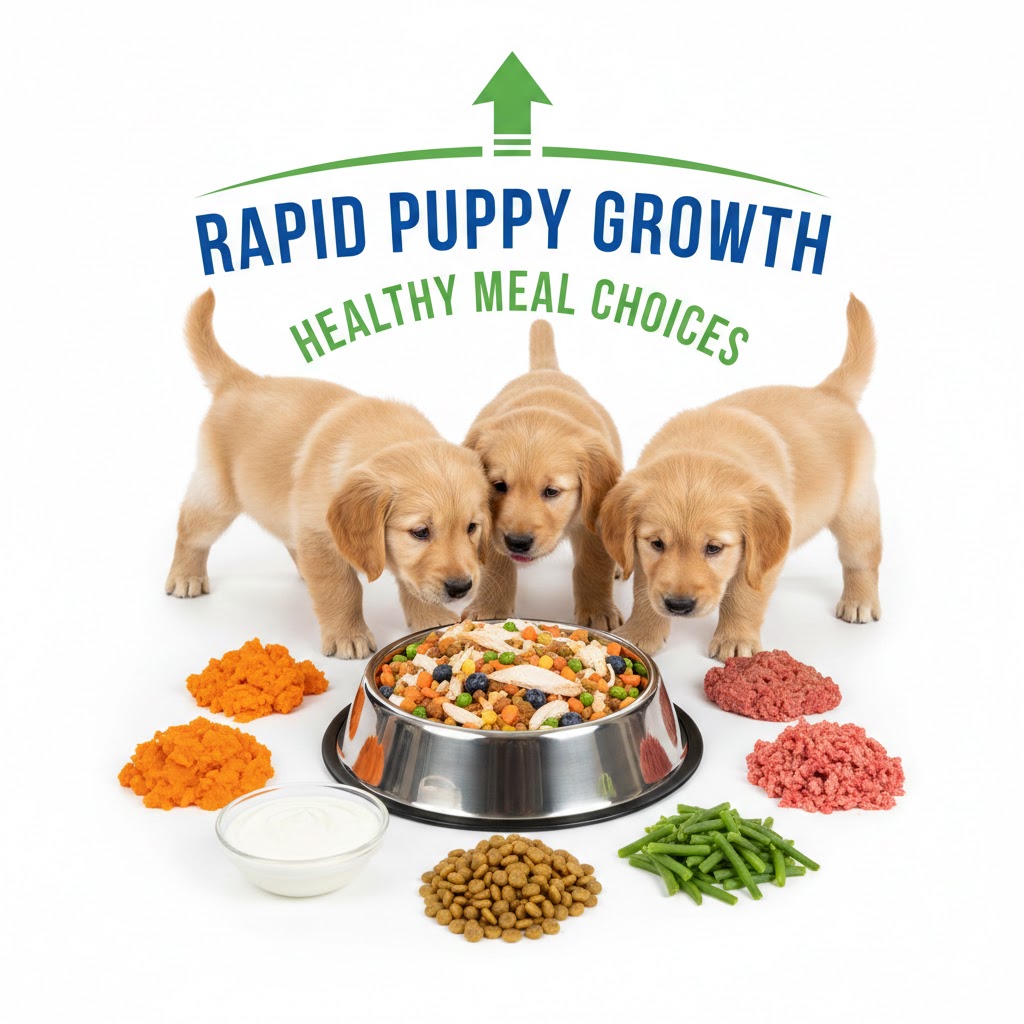
Growing puppies need the right balance of nutrients to build strong bones, muscles, and a healthy immune system. Rapid growth stages require meals that are rich in protein, healthy fats, vitamins, and minerals. Many pet owners worry whether they are feeding their puppies correctly, so this guide highlights simple, healthy, and practical meal choices that make a real difference.
Why Nutrition Matters So Much for Fast-Growing Puppies
Puppies grow at a faster rate than adult dogs, which means each meal they eat directly impacts their long-term health and development. Poor nutrition can lead to slow growth, weak bones, digestive issues, or low energy levels. With the right diet, puppies stay active, learn easily, and build a strong foundation for adulthood.
Choosing High-Quality Puppy Food That Fits Your Budget
The best meals start with selecting a balanced puppy formula that includes real meat as the main ingredient. Opt for options containing chicken, turkey, lamb, or fish for protein and DHA for brain development. Many brands offer healthy recipes without being too expensive. Guides from trusted sources like PetsDogPuppy help owners pick the right choices based on breed size and age.
Healthy Homemade Food Ideas to Boost Nutrition
You don’t need complicated recipes to prepare nutritious meals at home. Simple foods like boiled chicken, sweet potatoes, rice, eggs, and carrots provide essential vitamins and are easy on a puppy’s stomach. Adding these cooked ingredients to kibble can improve flavor and nutrition without increasing feeding costs.
Adding Natural Ingredients for Better Growth
A few natural additions can help strengthen bones, support digestion, and improve coat health. Ingredients like pumpkin, spinach, oats, yogurt, and fish oil offer a nutrient boost. These should be added in small, controlled amounts to avoid overfeeding. They also help puppies who struggle with appetite or digestion.
Smart Feeding Schedules for Growing Puppies
Fast-growing puppies need consistent feeding patterns. Feeding them three to four small meals daily helps maintain energy and supports steady development. This also prevents bloating and overeating. Portion control is important and varies depending on age, breed size, and activity level.
Understanding When to Adjust Your Puppy’s Diet
As your puppy continues to grow, their nutritional needs will change. Larger breeds often require puppy-specific food for a longer time, while smaller breeds may transition earlier to adult formulas. Regular checkups and growth monitoring ensure your puppy receives the right nutrition at each stage. Many owners refer to PetsDogPuppy for age-based diet plans to stay on track.
Final Thoughts
Healthy meal choices can greatly influence how well your puppy grows. With a mix of quality puppy food, simple homemade additions, and a steady feeding schedule, you can support your puppy’s rapid development effectively. Good nutrition sets the foundation for a long, energetic, and healthy life, and every meal you provide plays a role in shaping that future.