
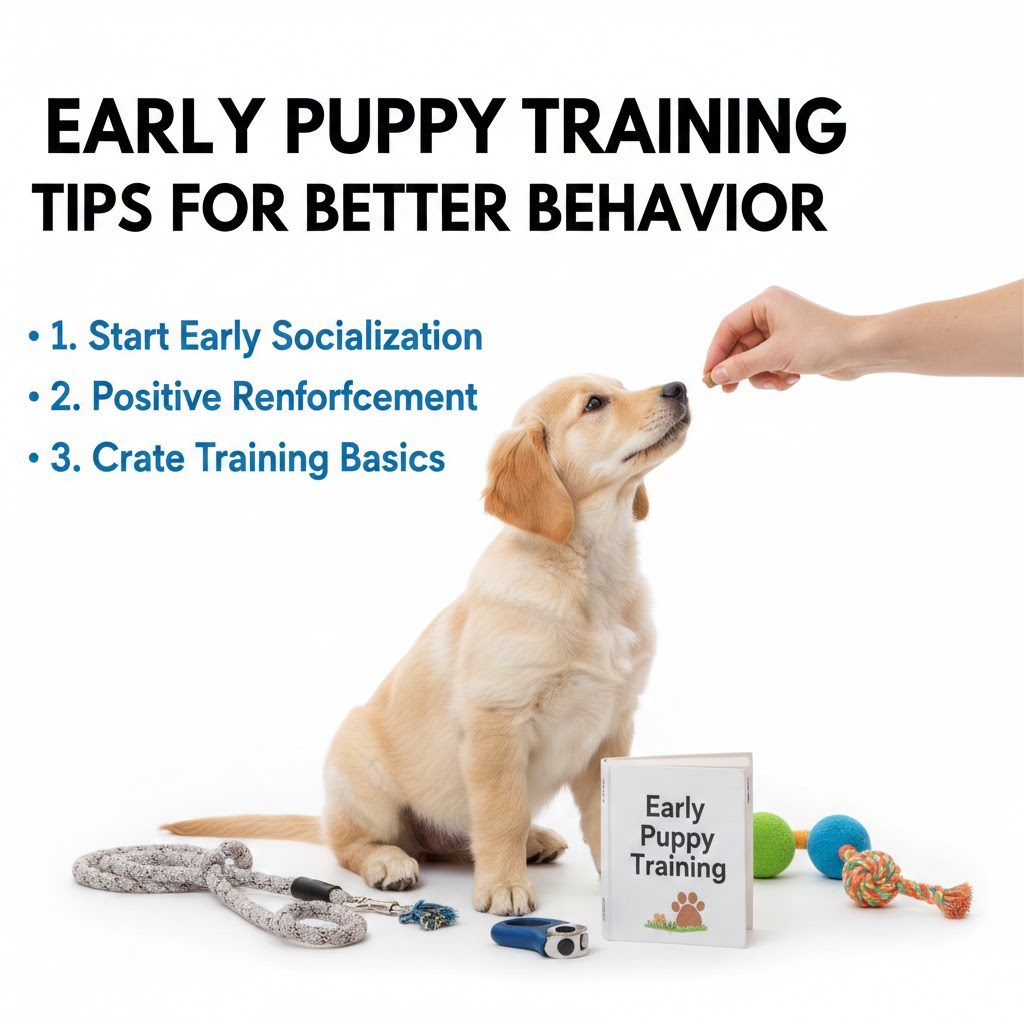
Training your puppy early is one of the best ways to build a foundation for good behavior, confidence, and a strong bond. Puppies learn quickly during their early months, and even simple habits formed today can shape how they behave as adults. With the right guidance, owners can raise well-mannered, social, and happy dogs.
Understanding Why Early Training Matters
Puppies are most receptive to learning between eight and sixteen weeks of age. This period allows them to absorb commands, routines, and social cues much faster than older dogs. Early training prevents bad habits like biting, barking, jumping, and chewing, helping owners avoid future behavioral problems.
Teaching Simple Commands First
Start with basic commands such as sit, stay, come, and down. These commands create structure and teach your puppy to listen. Training sessions should be short and fun to keep your puppy engaged. A few minutes several times a day is enough to see progress. Many beginners find step-by-step beginner guides on PetsDogPuppy useful for practicing these commands at home.
Using Positive Reinforcement Methods
Reward-based training encourages puppies to repeat good behavior. Treats, praise, toys, or gentle petting can motivate them effectively. Avoid punishment, as it can cause fear and confusion. Instead, redirect negative behavior and reinforce the desired action consistently.
Establishing a Daily Routine for Success
Puppies learn faster when they know what to expect. Create a routine for feeding, playtime, potty breaks, and rest. A structured schedule reduces anxiety and helps puppies adjust quicker to household life. Consistency also supports better behavior long-term.
Socializing Early for Confident Behavior
Introduce your puppy to new sounds, environments, people, and other animals. Socialization builds confidence, reduces fear-based behavior, and helps puppies adapt to different situations. Short, positive interactions are enough to develop strong social skills.
Preventing Common Behavioral Problems
Early training helps reduce issues like biting, chewing, barking, and leash pulling. If your puppy bites during play, offer a toy instead. If they chew household items, provide safe chew toys. With patience and repetition, puppies quickly learn what is acceptable.
Crate Training for Better Discipline
A crate helps puppies feel secure and learn boundaries. Crate training supports potty training and prevents destructive behavior when unsupervised. The crate should be comfortable, never used for punishment, and introduced slowly.
Encouraging Good Potty Habits
Take your puppy to the same potty spot regularly. Use positive reinforcement whenever they go in the correct place. Young puppies need frequent breaks, especially after meals, naps, and play sessions.
Final Thoughts
Early training shapes your puppy into a well-behaved, confident, and loving companion. With simple routines, positive reinforcement, and patience, your puppy will quickly learn the right habits. Owners can also explore helpful training resources on PetsDogPuppy to continue improving their puppy’s behavior as they grow.