
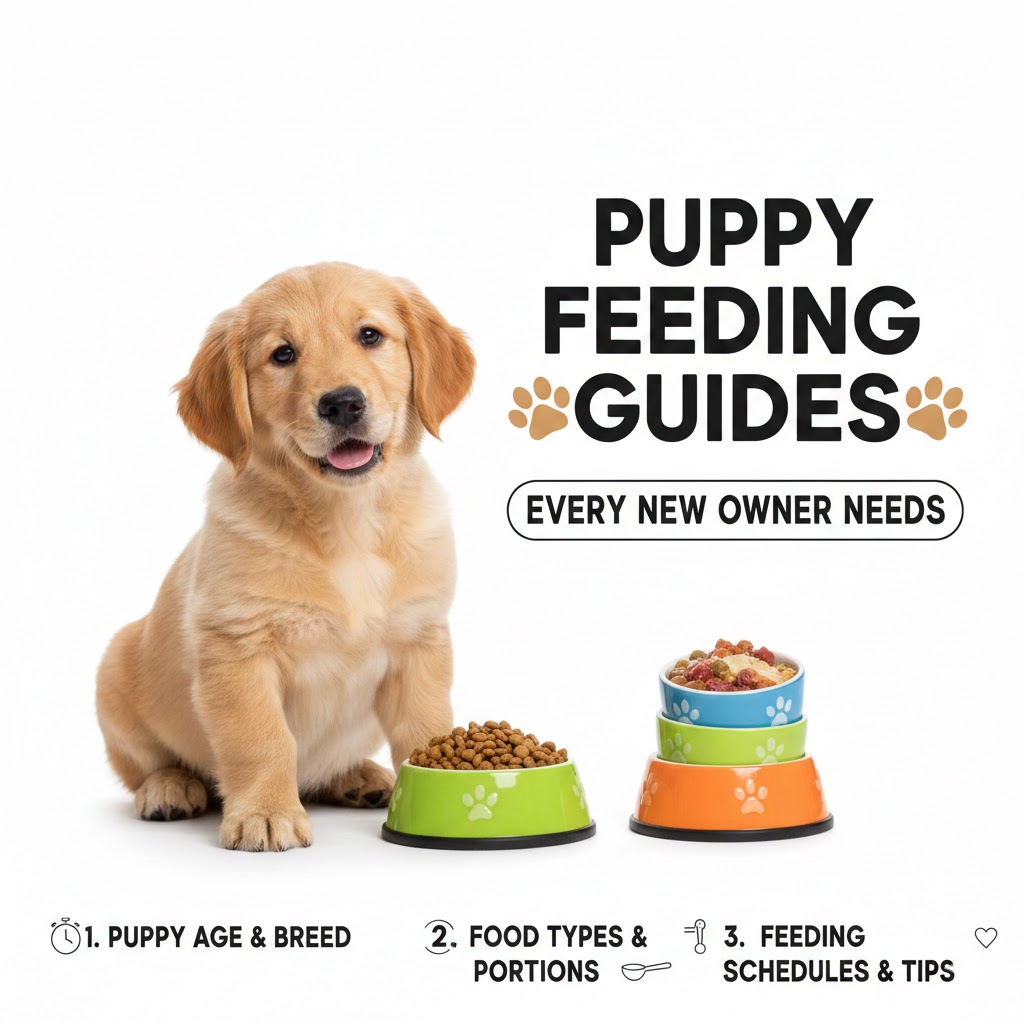
Feeding a puppy the right way during the early stages of life is one of the most important responsibilities for new owners. Proper nutrition supports healthy growth, strong bones, good digestion, and stable energy throughout the day. Understanding what, when, and how much to feed your puppy can make a big difference in their overall development.
Understanding Your Puppy’s Age-Based Feeding Needs
Puppies have different nutritional requirements depending on their age. Very young puppies need nutrient-rich meals more frequently, while older puppies can manage slightly larger portions with fewer feeding times. During the rapid growth stage, high-quality food is essential to support bone and muscle development.
Choosing the Right Type of Puppy Food
New owners often feel overwhelmed with the variety of puppy food options available. Good puppy food should list real meat as the first ingredient and contain balanced levels of protein, fat, and essential vitamins. Avoid foods overloaded with fillers or artificial additives. Many owners rely on resources from PetsDogPuppy to compare safe and trusted brands suitable for their puppy’s breed and size.
How Often Should Puppies Be Fed Daily?
The number of meals per day depends on your puppy’s age.
• Puppies 2–3 months old: 4 meals a day
• Puppies 3–6 months old: 3 meals a day
• Puppies 6–12 months old: 2 meals a day
Following a fixed feeding schedule helps regulate digestion, energy levels, and behavior. It also prevents overeating and digestive distress.
Portion Control for Steady Growth
Every puppy has unique calorie needs. Active puppies, small breeds, and fast-growing breeds may require slightly different amounts of food. Start with the feeding guidelines provided on the food package, then adjust based on weight, appetite, and activity level. Monitoring growth regularly ensures your puppy is developing at a healthy rate.
Safe Homemade Foods to Add to Puppy Meals
Adding simple, healthy homemade ingredients can enhance your puppy’s diet. Some safe additions include:
• Boiled chicken or turkey
• Cooked sweet potatoes
• Mashed pumpkin
• Scrambled eggs
• Steamed carrots
Always serve these plain without seasoning, oil, or salt. Homemade additions should complement—not replace—balanced commercial puppy food.
Hydration: A Crucial Part of Feeding
Fresh water should always be available for your puppy. Proper hydration helps with digestion, temperature regulation, and overall health. Puppies that eat mostly dry kibble need more water throughout the day.
Switching Food Safely as Puppies Grow
Transitioning to new food should always be done gradually. Mix small amounts of the new food with the old one over 5–7 days. This reduces the risk of stomach upset and helps your puppy get used to the new taste. Guides on PetsDogPuppy offer simple steps to ensure smooth and safe transitions.
Watching for Signs of Feeding Problems
New owners should monitor for symptoms like vomiting, diarrhea, excessive itching, loss of appetite, or bloating. These may indicate food allergies, intolerance, or poor nutritional balance. Early detection ensures quick adjustments to the diet.
Final Thoughts
Feeding your puppy properly is a key part of raising a healthy, well-developed dog. With the right food choices, consistent portion control, a steady schedule, and safe homemade additions, new owners can confidently support their puppy’s growth. Paying close attention to nutritional needs and changes over time ensures your puppy thrives with a strong foundation for the future.