
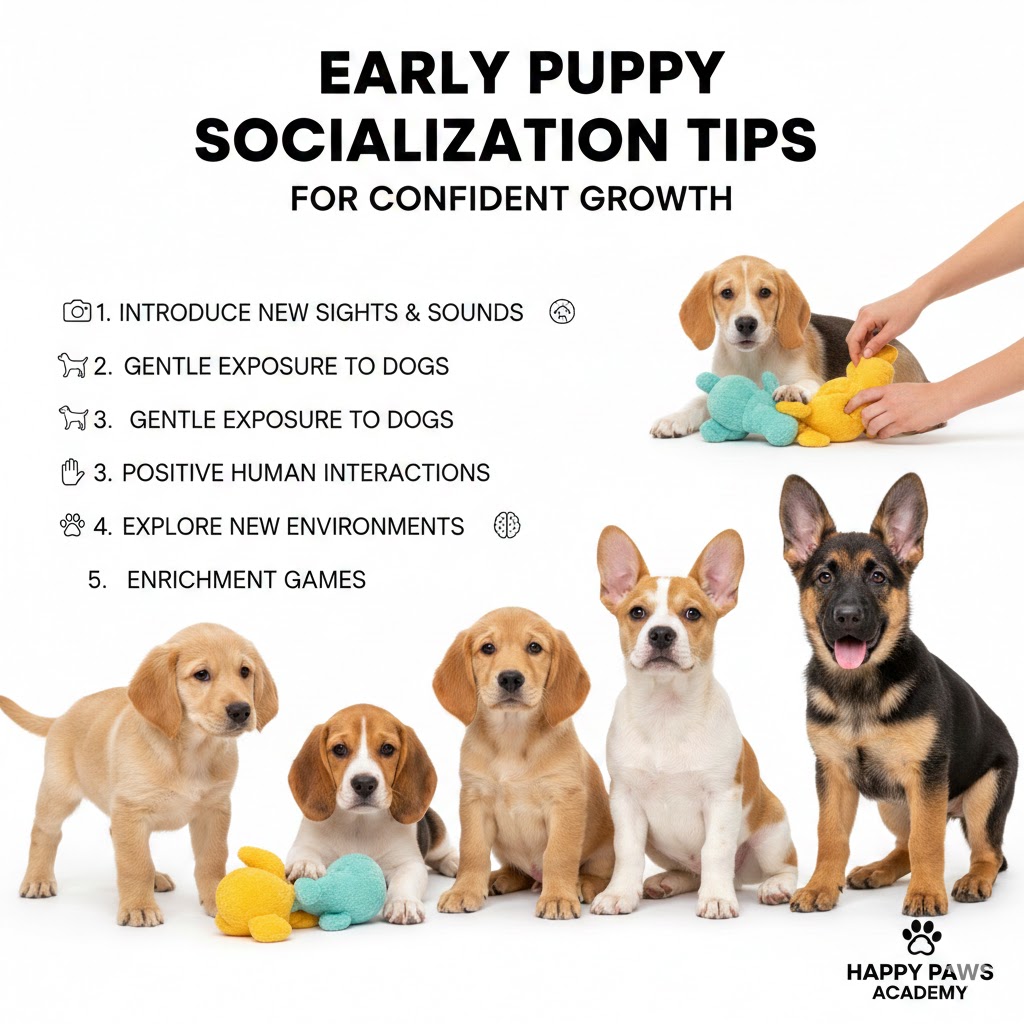
Socialization is one of the most important steps in raising a confident, well-behaved puppy. The experiences your puppy has in the first few months of life shape their personality, comfort levels, and ability to handle new environments. Early socialization helps prevent fear, anxiety, and aggression, ensuring your puppy grows into a stable, friendly adult dog.
Why Early Socialization Matters for Puppies
Puppies go through a key developmental stage between eight and sixteen weeks. During this period, they learn how to react to the world around them. Positive exposure builds trust, curiosity, and calm behavior, while lack of exposure can lead to nervous or fearful habits. Resources on PetsDogPuppy often highlight how early socialization plays a major role in lifelong behavior.
Introducing Your Puppy to New People
Start by letting your puppy safely meet different types of people such as children, adults, seniors, and guests. Each interaction should be calm, gentle, and rewarding. Encourage people to offer treats and speak softly. Pleasant early experiences help puppies understand that strangers are friendly, not scary.
Socializing With Other Dogs Safely
Meeting other vaccinated, well-behaved dogs is essential. Begin with controlled playdates with family or neighbor pets. Gradually introduce your puppy to different sizes and breeds. These interactions teach bite control, play manners, and confidence around other animals. Avoid dog parks until your puppy is fully vaccinated.
Introducing Different Sounds and Environments
Daily exposure to new environments helps build strong, confident behavior. Take your puppy to sidewalks, markets, parks, and pet-friendly stores. Let them hear new sounds like traffic, vacuum cleaners, or doorbells. A calm introduction to noises prevents fear reactions later in life.
Handling Exercises for Better Comfort
Handling your puppy’s paws, ears, and tail early helps them get comfortable with grooming and vet visits. Gently touch their body, open their mouth, and reward calm behavior. Puppies that are handled regularly become easier to groom, bathe, and examine.
Using Positive Reinforcement for Socialization
Rewarding your puppy with treats, praise, or play helps them associate new experiences with positive feelings. When your puppy interacts well with someone or explores a new environment confidently, reinforce the behavior. Positive reinforcement builds trust and reduces fear.
Encouraging Calm Behavior Around New Experiences
If your puppy feels overwhelmed, avoid forcing interactions. Let them approach at their own pace. Calm reassurance helps them understand that new experiences are safe. Gradual exposure is key to confident growth.
Tracking Progress and Adjusting Activities
Every puppy develops at a different pace. Watch how your puppy reacts to new situations and adjust activities accordingly. If they show hesitation, slow down and repeat the experience in a gentler way. Many dog owners use guidance from PetsDogPuppy to stay on track during socialization stages.
Final Thoughts
Early socialization is an investment in your puppy’s future behavior and confidence. With gentle exposure, positive reinforcement, and patience, your puppy will grow into a friendly, well-adjusted dog. Starting early makes every new experience smoother and more enjoyable, helping your puppy build a strong foundation for life.