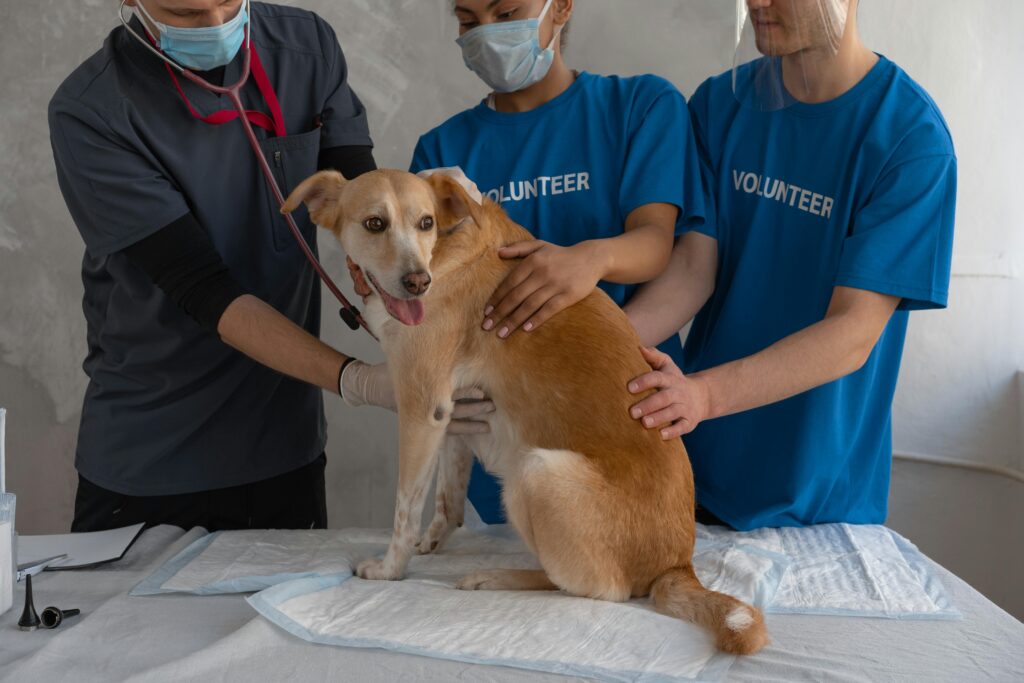

Training a puppy doesn’t need to be strict or stressful. Gentle training methods build trust, encourage good behavior, and create a strong bond between you and your pup. Puppies respond best to calm, positive guidance, making gentle techniques the easiest and most effective way to shape early habits.
Why Gentle Training Works Best for Puppies
Puppies learn through association. When training feels safe, rewarding, and fun, they become more eager to listen and follow instructions. Harsh methods can create fear, confusion, and long-term behavior issues. Gentle approaches, supported by guidance from PetsDogPuppy, help puppies understand commands with confidence and comfort.
Start With Short, Fun Training Sessions
Puppies have short attention spans, so quick training sessions work best. Five to ten minutes per session is enough to teach simple commands like sit, stay, come, and down. Keeping sessions playful and encouraging helps your puppy stay focused without feeling overwhelmed.
Use Positive Reinforcement to Build Good Habits
Positive reinforcement is one of the most powerful training tools. Reward your puppy immediately when they show good behavior. Treats, praise, toys, or belly rubs all work as great motivators. When puppies associate good behavior with rewards, they repeat it more consistently.
Teach One Command at a Time
Introducing too many commands at once can confuse your puppy. Start with one simple command and practice it daily. Once your puppy masters it, gradually introduce the next command. Clear, consistent training makes learning easier and builds confidence step by step.
Be Patient and Consistent Every Day
Consistency teaches puppies what to expect. Using the same words, gestures, and tones helps them understand your instructions better. Gentle repetition builds strong habits, while patience prevents frustration. Remember that every puppy learns at a different pace.
Redirect Bad Behavior Instead of Punishing
Instead of shouting or punishing, gently redirect unwanted behavior. For example:
• If your puppy bites, offer a chew toy.
• If they jump, ask them to sit instead.
• If they bark excessively, distract them with a command or toy.
Redirection teaches puppies what you want them to do rather than what they shouldn’t do.
Use Treats Wisely to Maintain Discipline
Treats are helpful, but balance is important. Use small treats and give them only during training to prevent overfeeding. Gradually reduce treat use as your puppy becomes consistent with commands. This keeps training effective without creating dependency on treats.
Encourage Social Skills During Training
Training can include gentle social activities like meeting new people, exploring new areas, and interacting with calm, friendly dogs. These experiences build confidence and help puppies become well-adjusted adults. Many owners rely on PetsDogPuppy for safe socialization tips that support early training.
Final Thoughts
Gentle training techniques help puppies learn quickly while feeling safe and loved. With patience, consistency, and positive reinforcement, your puppy will develop strong manners and trusting behavior. Start early, stay calm, and make every training moment enjoyable for your young companion.