
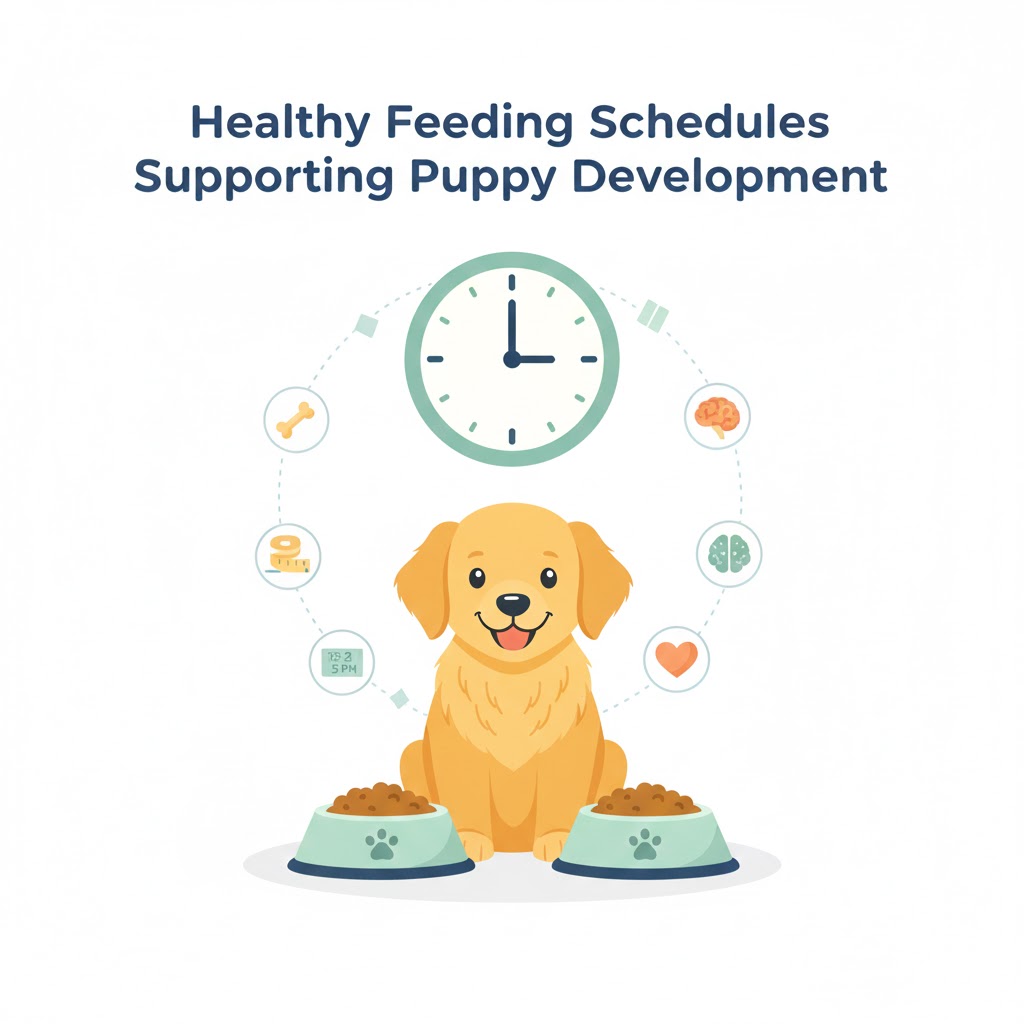
A proper feeding schedule is one of the most important foundations for a puppy’s healthy growth. Puppies have rapidly developing bodies and require steady, balanced meals throughout the day. Understanding when and how often to feed your puppy ensures stable energy, stronger immunity, and proper development.
Why Feeding Schedules Matter for Puppies
Puppies digest food faster than adult dogs, so they need smaller, more frequent meals. A consistent feeding routine helps regulate digestion, prevents overeating, and supports healthy weight gain. Following a structured schedule creates healthier eating habits that last into adulthood.
Feeding Frequency Based on Puppy Age
Puppy feeding needs change as they grow. A general guideline is:
• 8–12 weeks old: 4 meals per day
• 3–6 months old: 3 meals per day
• 6–12 months old: 2 meals per day
These intervals ensure puppies get the nutrients they need without overwhelming their digestive system. Many pet owners rely on guides from PetsDogPuppy to help adjust schedules based on breed and size.
Matching Portion Size With Puppy Growth
Feeding the right amount is as important as the timing. Overfeeding can lead to unhealthy weight gain, while underfeeding may slow development. Always check the portion recommendations provided by your puppy food brand and adjust based on activity level, growth rate, and appetite. Active puppies may need slightly larger meals to stay energized.
Choosing the Right Food for Healthy Development
A healthy feeding schedule works best when paired with nutrient-rich food. Choose puppy formulas with real meat, balanced fats, and essential vitamins. DHA supports brain development, calcium strengthens bones, and antioxidants build immunity. Small breeds may need calorie-dense meals, while large breeds require controlled calcium levels to prevent bone issues.
Keeping Mealtime Consistent Every Day
Puppies thrive on routine. Feeding them at the same times each day helps maintain stable energy and prevents digestive upset. Consistent schedules also support better potty training as puppies learn predictable patterns. Families can simplify routines by using reminders or meal planners.
Monitoring Your Puppy’s Health and Appetite
A well-fed puppy should have steady energy, a healthy coat, bright eyes, and regular bowel movements. Sudden changes in appetite, weight, or digestion could signal a need to adjust the feeding schedule or food type. Many owners consult resources on PetsDogPuppy to understand early signs of feeding concerns.
Avoiding Common Feeding Mistakes
Some common feeding mistakes include:
• Giving too many treats
• Feeding table scraps
• Irregular meal timing
• Switching foods too quickly
• Overfilling bowls to save time
Avoiding these habits keeps your puppy healthier and helps maintain their daily routine.
Final Thoughts
A healthy feeding schedule supports every part of your puppy’s development, from bones and muscles to digestion and overall well-being. By following age-appropriate meal frequency, offering balanced portions, choosing quality food, and maintaining consistency, you give your puppy the best possible start in life. With the right schedule, your puppy grows strong, energetic, and ready for every new stage of life.