Socialization is one of the most important parts of raising a confident, well-adjusted puppy. When puppies are not exposed to different environments, people, sounds, and animals early in life, they may develop fear-based behaviors or anxiety. Understanding the signs of poor socialization helps owners take action before these habits become long-term problems.
Why Socialization Is Essential for Growing Puppies
During the early months, puppies learn how to respond to the world around them. Proper socialization builds trust, reduces fear, and encourages positive behavior. When puppies miss these experiences, they often show subtle or obvious signs that they need help adjusting. Many owners use guidance from PetsDogPuppy to understand and correct early socialization gaps.
Fearfulness Toward New People
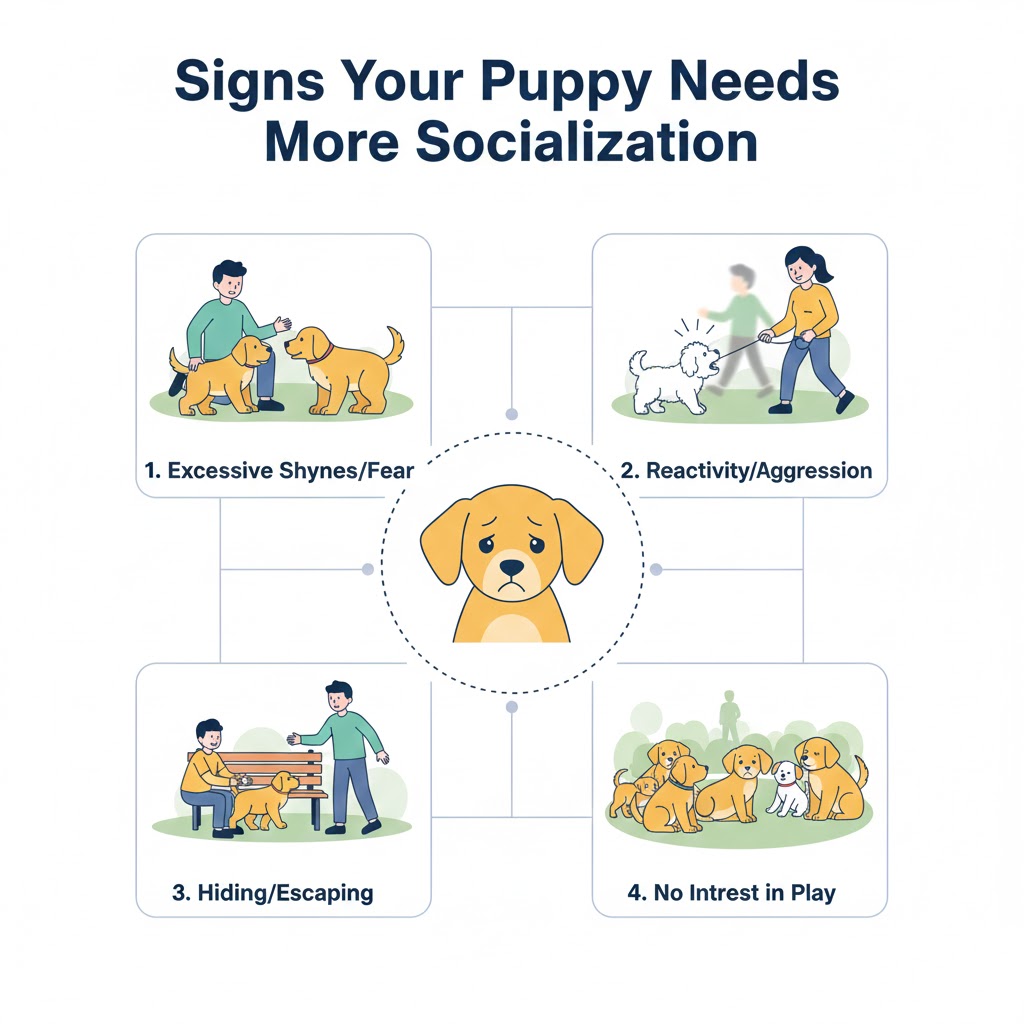
One of the earliest signs of poor socialization is fear around new people. Puppies may hide, freeze, growl, or become overly shy when approached by strangers. They may also refuse treats or avoid eye contact. These behaviors indicate that your puppy needs more gentle and positive exposure to human interaction.
Nervousness Around Other Dogs
A well-socialized puppy is usually curious and playful around other friendly dogs. Puppies lacking socialization may bark excessively, pull away, or show stiffness during dog interactions. They might even attempt to hide behind their owner. Introducing them slowly to calm, vaccinated dogs can help build confidence.
Difficulty Adjusting to New Environments
If your puppy becomes anxious in unfamiliar places like parks, sidewalks, or pet-friendly stores, it may signal that they need more exposure. Puppies may refuse to walk, become alert and uneasy, or try returning home immediately. Gradual introduction to new environments helps puppies build stronger adaptability skills.
Overreacting to Everyday Sounds
Puppies that are not used to everyday noises like traffic, vacuum cleaners, or doorbells may react with fear. Jumping, running away, barking, or trembling are common responses. Calm exposure to different sounds, paired with treats and reassurance, helps reduce noise sensitivity.
Avoiding Play or Interaction
Some puppies withdraw from playtime or interaction with toys, people, or other pets. Instead of exploring confidently, they may stay in one spot or show little interest. This behavior suggests that they need more structured, positive play experiences.
Excessive Barking or Startle Reactions
Overreacting to small movements or sudden noises can be a sign that a puppy has not yet learned how to process everyday stimulation. Puppies may bark at harmless situations or become startled easily. Consistent, calm exposure and positive reinforcement help reduce these reactions.
Clinginess and Overdependence on Owner
While puppies naturally seek comfort from their owners, excessive clinginess can indicate fear of the unknown. Puppies may refuse to leave their owner’s side or show stress when separated briefly. Socialization experiences encourage independence and confidence over time.
How to Support Better Socialization
Start by exposing your puppy gradually to new experiences in a controlled, positive way. Introduce them to friendly people, calm dogs, gentle sounds, and various environments. Using treats and praise creates positive associations and reduces fear. Many owners rely on helpful guides from PetsDogPuppy to design effective socialization routines.
Final Thoughts
Recognizing the signs of poor socialization early allows you to help your puppy grow into a confident and well-behaved companion. With patience, gentle exposure, and consistent positive reinforcement, your puppy can develop the skills needed to navigate the world comfortably. Socialization is a lifelong process, but starting early makes every step smoother.