
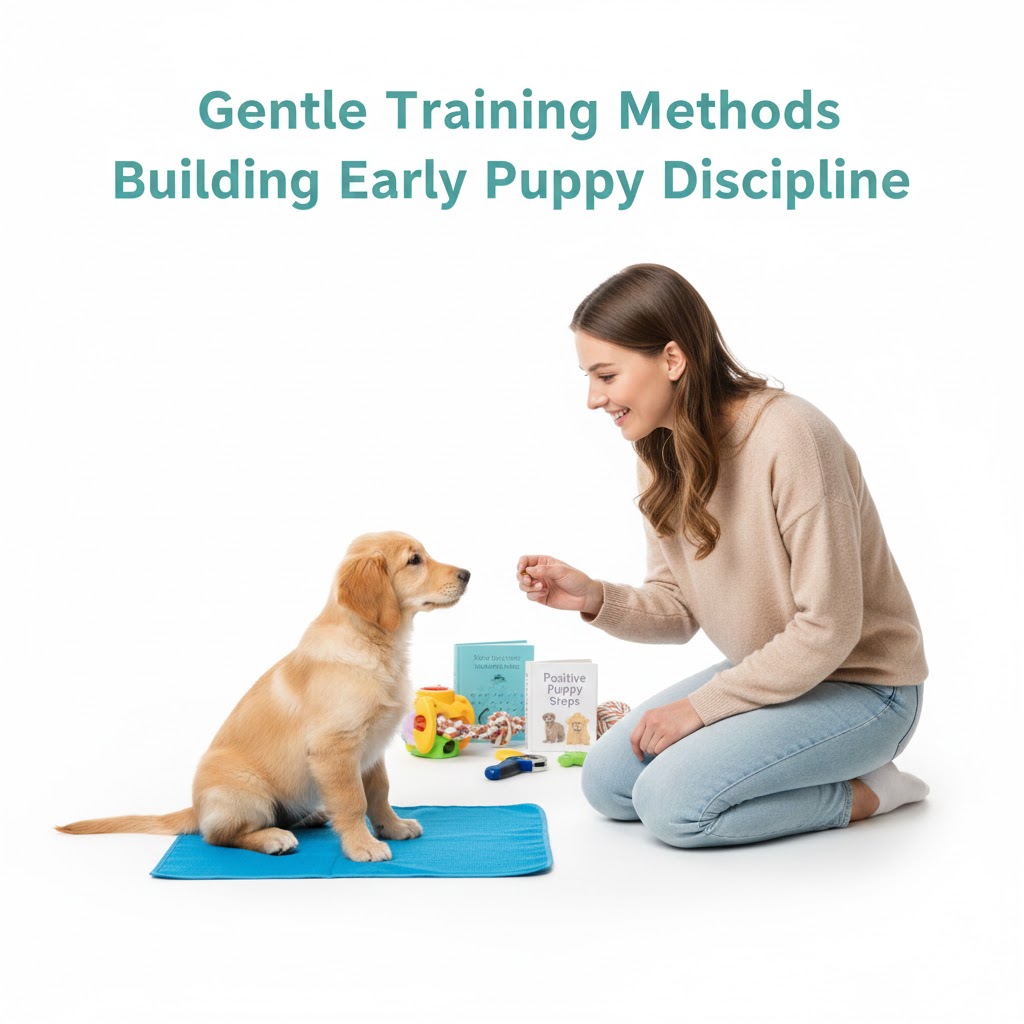
Early training sets the foundation for a well-behaved and confident dog. Gentle, positive methods help puppies learn faster while building trust and comfort with their owners. Harsh corrections can create fear, but gentle techniques encourage discipline, confidence, and strong communication. Understanding how to train your puppy with patience leads to lifelong good habits and a happy home environment.
Why Gentle Training Works Best for Puppies
Puppies are sensitive and still learning how to understand the world around them. Gentle training focuses on positive reinforcement, consistency, and clear communication. This approach reduces fear, encourages curiosity, and shapes good behavior naturally. Many new owners explore helpful guides on PetsDogPuppy that emphasize kindness and patience in training methods.
Using Positive Reinforcement to Encourage Good Behavior
Positive reinforcement is one of the most effective techniques for teaching discipline. Reward your puppy with treats, praise, affection, or play whenever they follow a command. This method helps puppies understand what behavior is expected and motivates them to repeat it. Consistent rewards create a strong link between action and outcome.
Teaching Basic Commands With Patience
Start with simple commands like sit, stay, come, and down. Keep training sessions short to match your puppy’s attention span. Use a calm tone and repeat commands clearly. Puppies learn best when they feel relaxed and supported. Celebrate small successes to build confidence and enthusiasm for learning.
Redirecting Instead of Punishing
When puppies misbehave, redirecting them works better than punishment. If your puppy chews on something inappropriate, replace it with a safe chew toy. If they jump on someone, ask them to sit instead. Redirection helps puppies understand alternatives without fear or confusion.
Establishing a Routine for Better Discipline
Daily routines create stability and help puppies learn expected behavior. Fixed times for feeding, play, training, and rest strengthen discipline and reduce unwanted behaviors. Puppies thrive when they know what to expect each day, making training easier and more effective.
Encouraging Calm Behavior in New Situations
Introduce your puppy to new places, people, and sounds slowly. Reward calm behavior to teach them how to react confidently. Gentle exposure prevents fear and helps puppies stay focused during training sessions. This early socialization builds long-term discipline and emotional stability.
Using Clicker Training for Clear Communication
Clicker training is a gentle and precise method for marking correct behavior. When your puppy performs the desired action, click and reward immediately. The click sound helps puppies identify which behavior is being rewarded, speeding up learning in a positive way.
Tracking Progress and Adjusting Techniques
Every puppy learns at a different pace. Observe how your puppy responds to training and adjust methods based on their comfort level. Some puppies need more encouragement, while others may pick up commands quickly. Owners often rely on insights from PetsDogPuppy to understand breed-specific learning patterns and training needs.
Final Thoughts
Gentle training builds discipline through trust, patience, and positive reinforcement. By focusing on encouragement rather than correction, puppies learn to follow commands with confidence and enthusiasm. Starting early creates a strong foundation for good behavior and a happy, well-adjusted adult dog.