
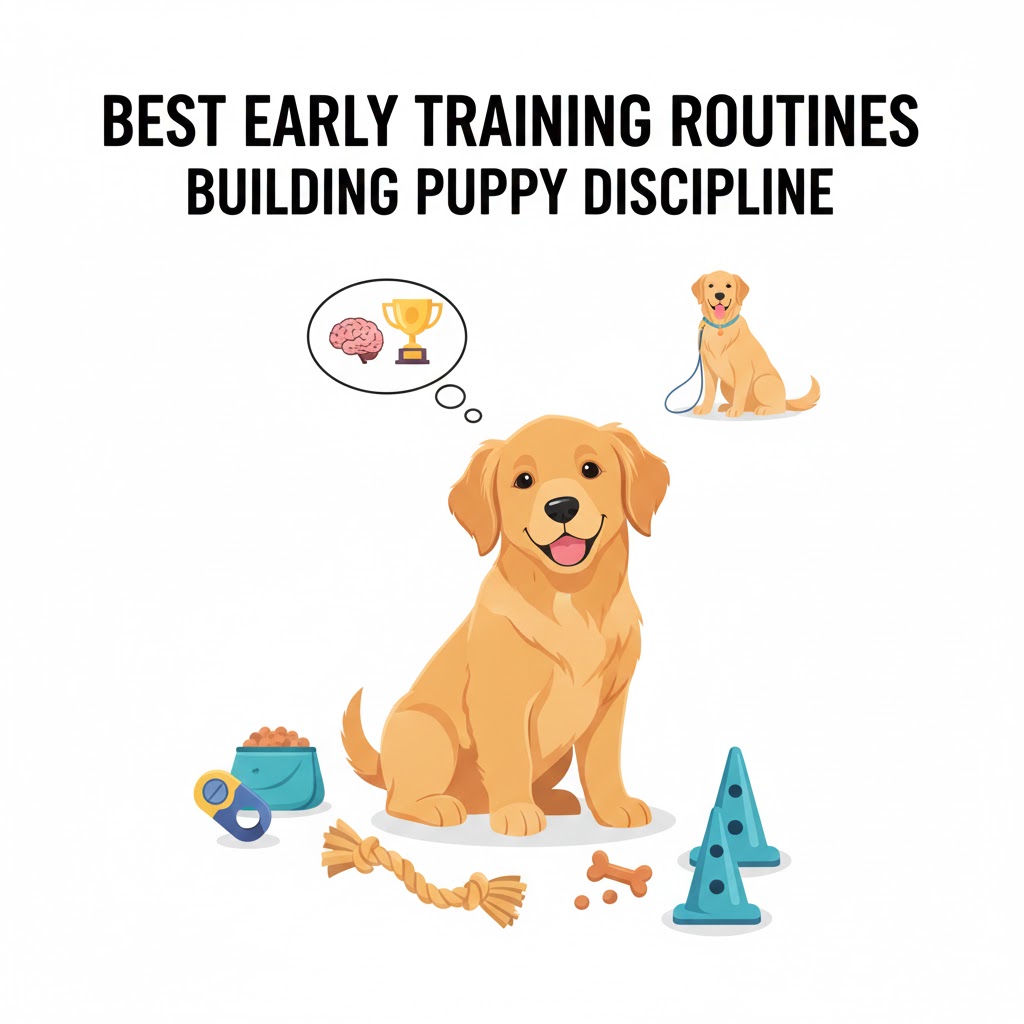
Training a puppy early creates the foundation for good behavior, confidence, and lifelong discipline. Puppies learn quickly during their early months, and simple routines can shape how they respond to commands, people, and daily situations. The key is consistency, patience, and positive reinforcement. These early training routines help puppies grow into well-behaved adult dogs.
Starting With Simple and Clear Commands
Begin with basic commands that are easy for puppies to understand. Words like sit, stay, come, and down should be introduced slowly and practiced regularly. Short sessions of five to ten minutes work best because puppies have short attention spans. Positive reinforcement through treats and praise helps them learn faster.
Establishing a Consistent Daily Routine
Puppies thrive on structure. Feeding, playtime, bathroom breaks, and sleep should follow a predictable schedule. Consistency helps puppies anticipate what comes next and reduces behavioral problems. Families often refer to guides on PetsDogPuppy to set the right routines for their puppy’s age and breed.
Teaching Crate Training for Safety and Comfort
Crate training is one of the most effective ways to build discipline. The crate becomes a safe space where the puppy can rest and relax. Start by allowing the puppy to explore the crate freely, then gradually increase the time spent inside. Avoid using the crate as punishment to maintain positive feelings around it.
Potty Training Through Regular Breaks
Potty training requires patience and timing. Take your puppy outside frequently—after meals, naps, and playtime. Praise them immediately when they go in the correct spot. Using a consistent location and command helps puppies understand the routine faster. Being patient during this stage is essential for long-term success.
Using Positive Reinforcement Methods
Rewarding good behavior is more effective than punishing unwanted actions. Treats, verbal praise, toys, and affection encourage puppies to repeat good habits. If a puppy misbehaves, redirect their attention rather than scolding. This approach helps build trust and strengthens decision-making.
Introducing Leash Training Early
Leash training teaches puppies how to walk calmly without pulling. Start indoors with short practice sessions. Let the puppy get used to wearing the collar or harness before attaching the leash. Slow walking, gentle guidance, and frequent rewards help create good walking habits.
Social Training With People and Other Dogs
Social training builds confidence and reduces fearfulness. Introduce your puppy to different people, safe dogs, and everyday environments. Social exposure helps puppies become comfortable with noises, crowds, and new surroundings. Tips from PetsDogPuppy often guide owners on safe socialization stages.
Preventing Common Behavior Issues
Chewing, jumping, and barking are common puppy behaviors. Redirect chewing to appropriate toys, teach calm greetings instead of jumping, and reward quiet behavior to manage barking. Early correction prevents these habits from becoming long-term problems.
Final Thoughts
Early training shapes your puppy’s behavior, confidence, and discipline. With simple commands, consistent routines, social exposure, and positive reinforcement, your puppy will develop into a well-mannered and happy companion. The effort you put in now leads to lifelong benefits and a stronger bond with your dog.