Training is an essential part of raising a well-behaved, confident puppy. While every puppy learns at a different pace, there are clear signs that show when they are developmentally ready to start basic training. Recognizing these signs early helps make the learning process smoother, more enjoyable, and more effective for both you and your puppy.
Showing Curiosity and Responsiveness
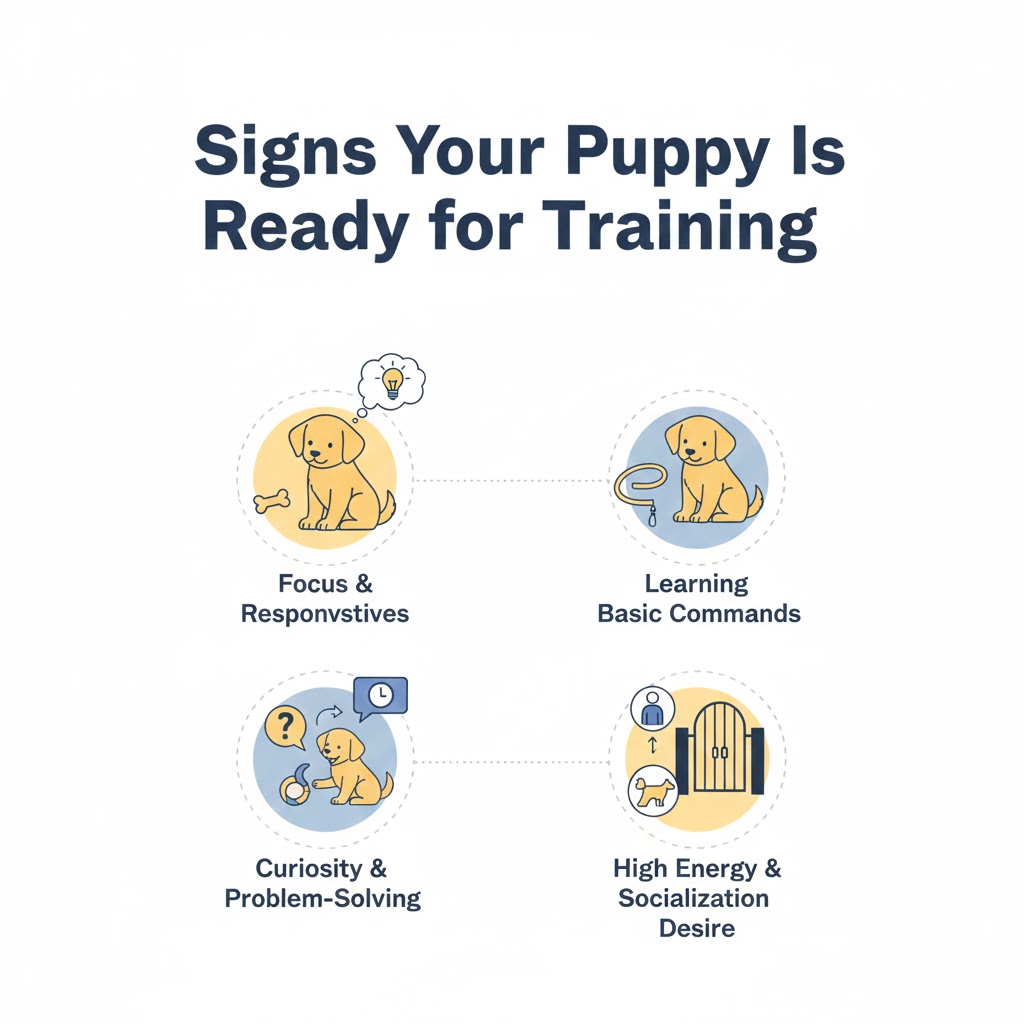
One of the earliest signs that a puppy is ready for training is their natural curiosity about the environment. When your puppy begins paying attention to sounds, movements, and new objects, they are mentally prepared to absorb new information. Curiosity indicates growing awareness and makes it easier to introduce simple commands.
Ability to Focus for Short Periods
Puppies have short attention spans, but if they can focus on you or a toy for even a few seconds, they are ready to begin learning. This small window is enough to teach basic commands like sit or come. Training sessions should remain short and positive to match their level of concentration.
Responding to Their Name
A puppy that turns toward you when you call their name has reached an important milestone. Name recognition shows they can connect sounds with meaning, which is vital for following commands. Many new owners look to PetsDogPuppy for tips on building strong name-response habits early.
Understanding Simple Routines
When your puppy starts recognizing patterns—like mealtimes, potty breaks, or bedtime—it means they are ready to handle structured learning. Routine awareness shows they can link actions with outcomes, a key skill needed for successful training.
Becoming More Social and Confident
A puppy that interacts comfortably with people, sounds, and gentle play is in a great stage for training. Social puppies tend to learn faster because they feel safer and are more open to guidance. Confidence also reduces fear-based behaviors that can interrupt training sessions.
Showing Interest in Treats and Rewards
Motivation plays a huge role in training. If your puppy gets excited about treats, toys, or praise, they can be trained using positive reinforcement. Reward-based learning is fun, engaging, and helps puppies build trust with their owners.
Ability to Follow You Naturally
If your puppy walks behind you or looks for direction during play or exploration, it means they are ready to learn leadership cues. Puppies that naturally follow their owners adapt quickly to training commands and instructions.
Starting to Control Biting and Chewing
As puppies mature, they begin to understand gentle play and reduce nipping behaviors. This growing control shows they are developing impulse management, a helpful sign that they can begin structured training.
Final Thoughts
Understanding when your puppy is ready for training makes the process easier, more effective, and enjoyable. Look for signs like curiosity, name recognition, routine awareness, and reward interest. With patience and consistency, your puppy will quickly pick up basic commands and healthy habits. For step-by-step guidance and beginner-friendly tips, many owners rely on PetsDogPuppy to support their training journey.