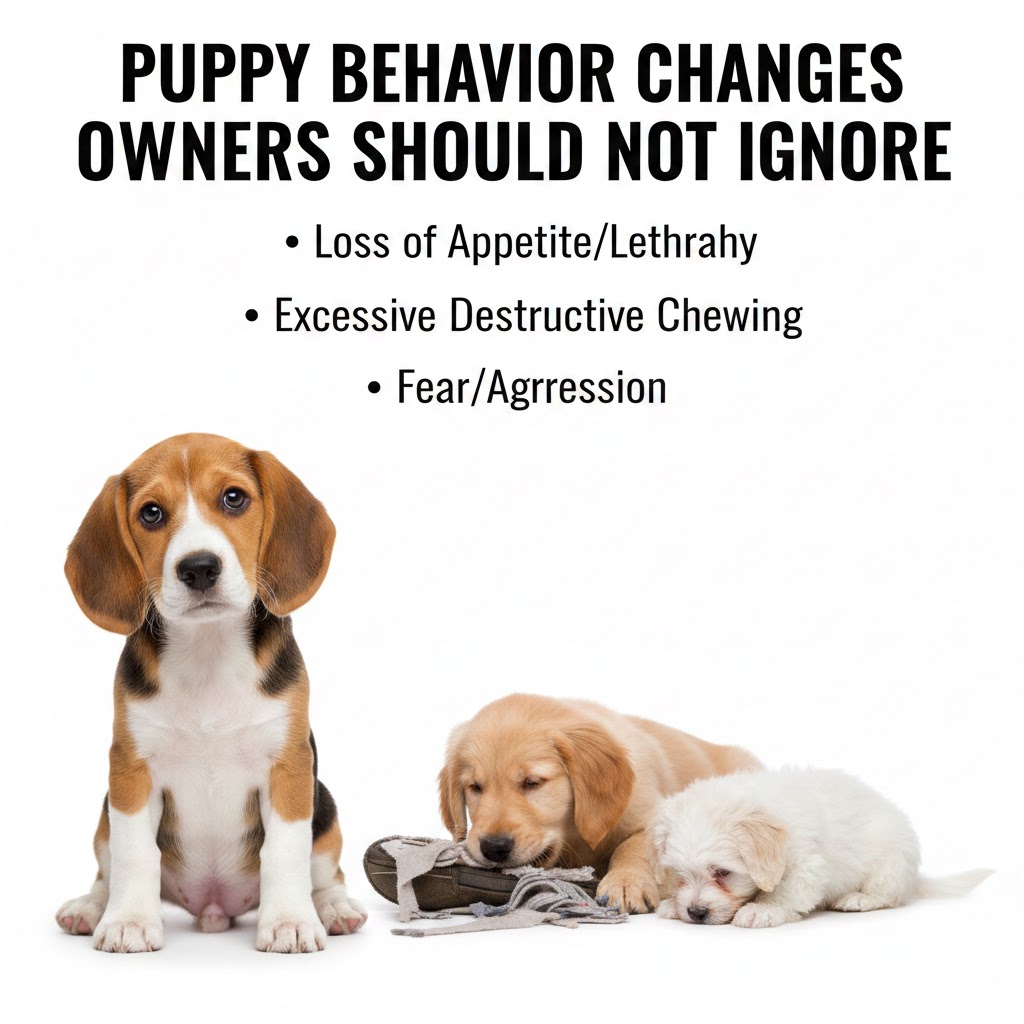
Puppies grow and change rapidly, both physically and mentally. As they move through different developmental stages, shifts in behavior are expected. However, some behavior changes signal underlying issues that should not be ignored. Recognizing these early signs allows owners to address problems before they become serious, helping puppies grow into healthy, well-adjusted adult dogs.
This article explains common puppy behavior changes, what they may indicate, and when owners should take action.
Sudden Increase In Aggression Or Irritability
Playful nipping is normal for puppies, especially during teething, but a sudden increase in aggressive behaviors is a red flag. Growling, snapping, guarding toys or food, or reacting harshly to touch can indicate discomfort, fear, or pain.
Behavioral aggression may also stem from poor socialization or inconsistent boundaries at home. If a puppy who was previously gentle becomes irritable without a clear reason, a veterinary check is important to rule out health concerns before addressing training or behavioral corrections.
Extreme Fear Or Withdrawal From Normal Activities
Puppies naturally experience fear phases, but persistent fear or sudden withdrawal should not be dismissed. A puppy that hides frequently, avoids people, freezes during walks, or trembles excessively may be struggling with anxiety.
This behavior can be triggered by lack of early socialization, a stressful environment, or a negative experience. Ignoring prolonged fear can lead to long-term confidence issues. Gradual exposure, positive reinforcement, and professional guidance can help rebuild trust and comfort.
Loss Of Interest In Play Or Interaction
Healthy puppies are curious and eager to engage. A noticeable drop in energy, playfulness, or interaction may signal illness or emotional distress. Puppies that stop responding to toys, avoid family members, or seem disengaged should be monitored closely.
While occasional low-energy days are normal, persistent disinterest often points to physical discomfort, digestive issues, or emotional overwhelm. Early evaluation ensures that health problems are identified before they worsen.
Excessive Barking Or Vocalization Changes
Puppies communicate through vocal sounds, but sudden or excessive barking, whining, or howling may indicate unmet needs. Puppies may vocalize more due to boredom, anxiety, frustration, or lack of mental stimulation.
Changes in vocal patterns can also be linked to separation distress. If a puppy becomes extremely vocal when left alone, it may be developing separation anxiety, which requires early intervention to prevent long-term behavioral challenges.
Regression In House Training Or Learned Skills
One of the most frustrating behavior changes for owners is regression in training. A puppy who was previously house trained or responsive to commands may suddenly have accidents or ignore cues.
This regression often occurs during growth spurts, routine changes, or developmental phases. Stress, fear, or inconsistent schedules can also contribute. While setbacks are normal, consistent regression should be addressed with patience, routine reinforcement, and evaluation of environmental stressors.
Destructive Chewing Beyond Teething
Chewing is a natural behavior, especially during teething. However, excessive or destructive chewing that continues beyond expected teething stages can indicate anxiety, boredom, or lack of stimulation.
Puppies who chew furniture, walls, or household items excessively may be trying to self-soothe or release pent-up energy. Providing appropriate chew outlets, mental enrichment, and structured activity can reduce destructive behaviors.
Sudden Changes In Appetite Or Eating Habits
Behavior changes around food often reflect deeper issues. A puppy that suddenly eats significantly more or less than usual may be experiencing digestive problems, dental discomfort, or stress.
Food guarding behavior, where a puppy becomes defensive around meals, should also not be ignored. This behavior can escalate if not addressed early through training and positive association techniques.
Increased Clinginess Or Constant Following
While puppies naturally form strong bonds with their owners, extreme clinginess may indicate anxiety or insecurity. Puppies that follow their owners constantly, panic when separated briefly, or refuse to rest independently may struggle with emotional regulation.
If left unaddressed, this behavior can develop into separation-related issues. Encouraging independence through short absences, structured routines, and confidence-building activities helps puppies feel secure even when alone.
Sudden Hyperactivity Or Inability To Settle
Puppies often have bursts of energy, but constant hyperactivity or inability to relax can be a sign of overstimulation. Puppies that cannot settle, pace excessively, or appear restless may be experiencing mental overload.
This behavior is commonly misunderstood as high energy, when in reality it reflects poor balance between activity and rest. Structured schedules, calm environments, and age-appropriate exercise are key to restoring balance.
Avoidance Of Touch Or Handling
A puppy that suddenly avoids being touched, picked up, or groomed may be experiencing pain or fear. Handling sensitivity can develop after an unpleasant experience or due to physical discomfort.
Ignoring this behavior can lead to defensive responses. Gradual desensitization and positive reinforcement help rebuild comfort with handling, but medical causes should always be ruled out first.
Changes In Social Behavior With Dogs Or People
Puppies should gradually become more comfortable around people and other dogs when socialized properly. A sudden change in social behavior, such as avoiding other dogs or becoming overly reactive, deserves attention.
Negative experiences, fear phases, or lack of continued exposure can influence social confidence. Early intervention through controlled socialization prevents long-term behavioral difficulties.
Repetitive Or Compulsive Behaviors
Behaviors such as constant tail chasing, excessive licking, or pacing may indicate stress or frustration. While occasional repetition is normal, persistent compulsive actions can become ingrained habits.
Identifying the underlying cause, whether environmental stress or lack of enrichment, is essential. Addressing these behaviors early reduces the risk of long-term behavioral disorders.
Why Early Attention Makes A Difference
Many puppy behavior changes worsen when ignored. Puppies are highly adaptable, and early guidance can redirect problematic behaviors effectively. Waiting too long allows habits to become deeply ingrained and harder to correct.
Resources like PetsDogPuppy emphasize early awareness and proactive care, helping owners understand what is normal and when professional support is needed.
When To Seek Professional Help
Not every behavior change requires immediate intervention, but some situations call for expert guidance. Persistent aggression, extreme fear, ongoing health-related behavior shifts, or sudden personality changes should always involve a veterinarian or certified trainer.
Behavior professionals can assess triggers, recommend training strategies, and guide owners toward long-term solutions tailored to the puppy’s needs.
Building A Stable Environment For Healthy Behavior
Consistency is one of the most powerful tools in preventing behavior issues. Regular feeding times, predictable routines, clear boundaries, and positive reinforcement create a sense of security for puppies.
A stable environment supports emotional development and reduces stress-related behaviors. Puppies thrive when expectations are clear and daily life feels predictable.
Supporting Your Puppy Through Developmental Phases
Puppies experience multiple developmental stages, each bringing new challenges. Fear periods, teething, growth spurts, and hormonal changes all influence behavior.
Understanding these phases helps owners respond with patience rather than frustration. Education-focused platforms like PetsDogPuppy provide valuable insights that help owners navigate these transitions confidently.
Final Thoughts On Puppy Behavior Changes
Puppy behavior changes are not random. They are signals that reflect physical health, emotional well-being, and environmental influences. While some changes are part of normal development, others indicate the need for attention and support.
By observing behavior closely, responding early, and maintaining consistency, owners can guide their puppies toward balanced, confident adulthood. Paying attention today prevents bigger challenges tomorrow and strengthens the bond between puppy and owner for years to come.