
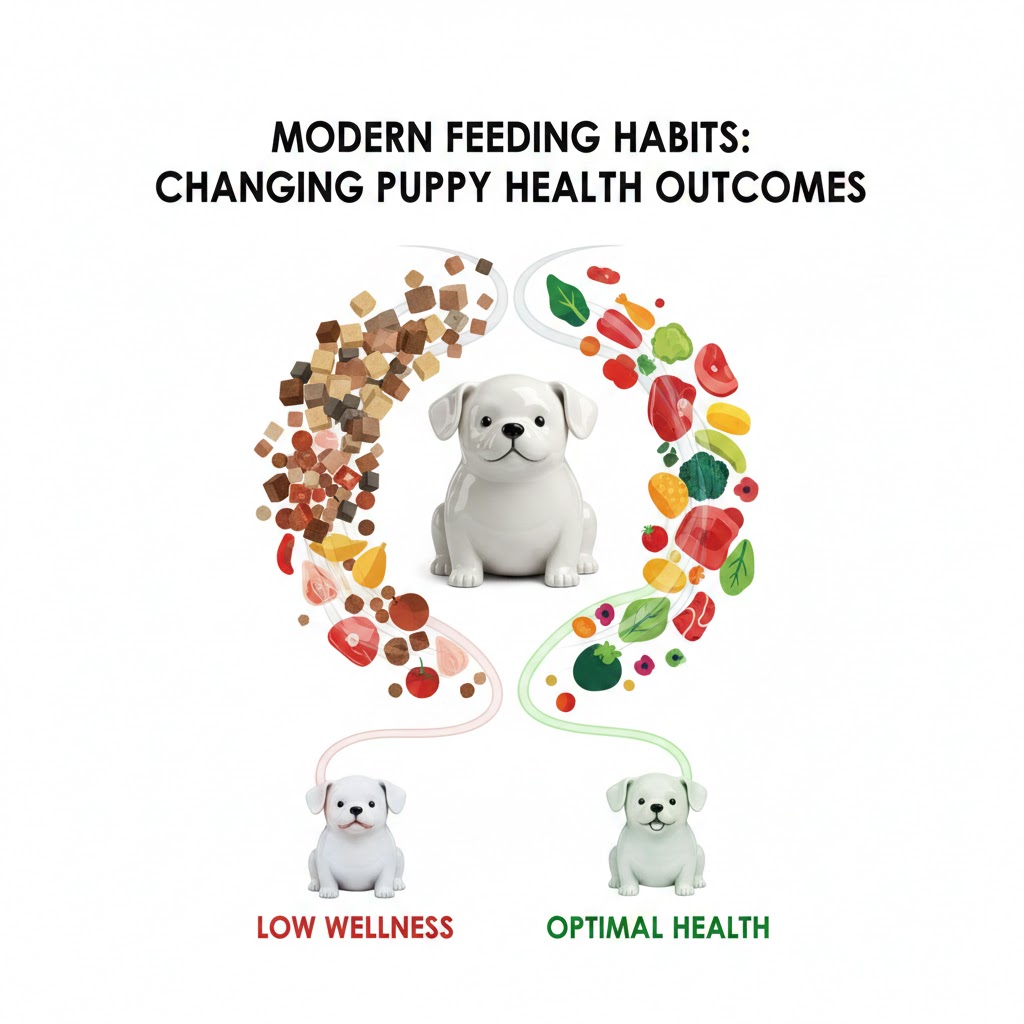
Puppy feeding has changed dramatically over the past decade. What was once a simple routine of choosing a bag of food and sticking to it has evolved into a more thoughtful, research-driven approach. Today’s puppy owners are paying closer attention to ingredients, feeding schedules, portion sizes, and how nutrition affects long-term health. These modern feeding habits are not just trends; they are actively changing puppy health outcomes in measurable ways.
As awareness grows, puppies are benefiting from better digestion, steadier growth, improved immunity, and fewer nutrition-related problems later in life.
Greater Awareness Of Early Nutrition Importance
One of the biggest shifts in modern puppy feeding is the understanding that early nutrition shapes lifelong health. Owners now recognize that puppyhood is not just about growth, but about building a strong foundation for bones, joints, organs, and the immune system.
Instead of choosing food based on brand familiarity or price alone, many owners now prioritize formulas specifically designed for puppies. These foods are balanced to support controlled growth and cognitive development, reducing the risk of deficiencies or excesses that can cause problems later.
Feeding For Growth Control Rather Than Rapid Size
In the past, a chubby puppy was often seen as a healthy puppy. Modern feeding habits have challenged that belief. Overfeeding and rapid weight gain are now linked to joint stress, obesity, and developmental orthopedic conditions, especially in large-breed puppies.
Today’s feeding approach emphasizes steady, controlled growth. Owners are more likely to follow portion guidelines, monitor body condition, and adjust food amounts based on activity level and age. This shift is helping puppies grow stronger without unnecessary strain on developing bones and joints.
Ingredient Quality Taking Center Stage
Another major change is the focus on ingredient quality rather than just guaranteed analysis numbers. Modern puppy owners want to know the source of proteins, the type of fats used, and whether fillers are present.
Whole proteins, natural fats, and digestible carbohydrates are now favored over vague or heavily processed ingredients. Puppies fed higher-quality ingredients often show improved stool consistency, healthier coats, and better energy balance. This emphasis on ingredient integrity is directly improving digestive health and nutrient absorption.
More Thoughtful Feeding Schedules
Free-feeding, where food is left out all day, is becoming less common. Instead, structured feeding schedules are gaining popularity. Feeding puppies at consistent times helps regulate digestion, supports predictable potty habits, and allows owners to notice appetite changes early.
Scheduled meals also support training by allowing food to be used strategically as motivation. Puppies who eat at set times are easier to monitor for health issues because sudden changes in appetite are more noticeable.
Rise Of Portion Awareness And Measurement
Modern feeding habits include precise portion measurement. Scooping food without measuring is being replaced by the use of measuring cups or scales. Owners are learning that even small overages can add up over time.
This attention to portion size is helping prevent early weight gain and encouraging a healthier relationship with food. Puppies fed appropriate portions are less likely to develop food obsession or begging behaviors.
Functional Nutrition Supporting Whole-Body Health
Functional ingredients are playing a growing role in puppy diets. These ingredients go beyond basic nutrition and actively support specific body systems.
Probiotics and prebiotics help establish a healthy gut microbiome, which is critical during puppyhood. Omega fatty acids support brain development and learning ability. Antioxidants help strengthen the immune system during a vulnerable life stage. Puppies receiving these nutrients early often show improved resilience and adaptability.
Improved Digestive Health Through Modern Diets
Digestive upset was once considered normal in puppies, especially during transitions. While some adjustment is still expected, modern feeding habits are reducing chronic digestive issues.
Gradual food transitions, simpler ingredient lists, and gut-supportive nutrients are helping puppies maintain stable digestion. Owners are also more cautious about excessive treats and table scraps, which previously contributed to stomach problems.
Balanced Approach To Treats And Extras
Treats remain an important training tool, but their role has changed. Modern feeding habits view treats as part of the overall diet rather than separate indulgences.
Smaller, nutrient-conscious treats are preferred, and owners are more mindful of total daily calorie intake. This balanced approach supports training without undermining nutritional goals or causing weight gain.
Increased Reliance On Educational Resources
Feeding decisions are no longer made in isolation. Owners increasingly rely on educational platforms, veterinary guidance, and trusted online resources to understand puppy nutrition.
Websites like PetsDogPuppy help bridge the gap between scientific research and everyday puppy care. By providing practical explanations and realistic feeding guidance, these resources empower owners to make informed choices rather than following trends blindly.
Customization Based On Puppy Needs
Modern feeding habits recognize that not all puppies are the same. Factors such as breed size, activity level, metabolism, and sensitivity influence dietary needs.
Owners are more willing to adjust food types or portions based on how their puppy responds rather than sticking rigidly to one plan. This flexible approach helps address issues early and supports individualized health outcomes.
Feeding And Behavioral Outcomes
Nutrition does not only affect physical health. Feeding habits also influence behavior. Puppies receiving balanced nutrition with stable blood sugar levels tend to have more consistent energy and focus.
Erratic feeding, excessive treats, or nutritionally poor diets can contribute to hyperactivity, irritability, or difficulty concentrating during training. Modern feeding practices support calmer, more trainable puppies by aligning nutrition with behavioral needs.
Long-Term Health Benefits Of Modern Feeding
The impact of improved feeding habits extends well beyond puppyhood. Puppies raised on balanced, thoughtful diets are more likely to maintain healthy weights as adults, experience fewer digestive issues, and develop stronger immune systems.
Early nutritional stability can also reduce the risk of chronic conditions such as obesity-related joint stress or metabolic issues later in life. Owners are increasingly viewing feeding as preventive care rather than a basic routine.
Role Of Consistency In Feeding Success
Consistency is a defining feature of modern feeding habits. Consistent food quality, portion sizes, and feeding times help puppies develop predictable digestion and appetite patterns.
This consistency reduces stress and allows owners to identify changes quickly. When feeding is structured and intentional, it becomes easier to support overall health and respond to concerns promptly.
Responsible Feeding In Busy Lifestyles
Modern lifestyles are busy, but feeding habits are adapting without sacrificing quality. Clear feeding plans, pre-measured meals, and structured routines help owners maintain nutritional consistency even with demanding schedules.
This balance between convenience and responsibility is a key reason modern feeding habits are having such a positive impact on puppy health outcomes.
Guidance And Ongoing Learning
Puppy nutrition is not static. As research evolves, feeding recommendations continue to improve. Owners who stay informed and remain open to adjustment are better equipped to support their puppy’s changing needs.
Platforms like PetsDogPuppy play an important role in keeping owners updated with practical, experience-based insights that reflect real-life puppy care challenges.
Final Thoughts On Modern Feeding Habits
Modern feeding habits are transforming puppy health outcomes in meaningful ways. Through better ingredient awareness, controlled portions, structured schedules, and functional nutrition, puppies are growing healthier and more resilient than ever before.
By treating feeding as a key part of overall care rather than a simple task, owners are setting their puppies up for stronger development and long-term well-being. Thoughtful nutrition during puppyhood is proving to be one of the most impactful investments an owner can make in their dog’s future.