
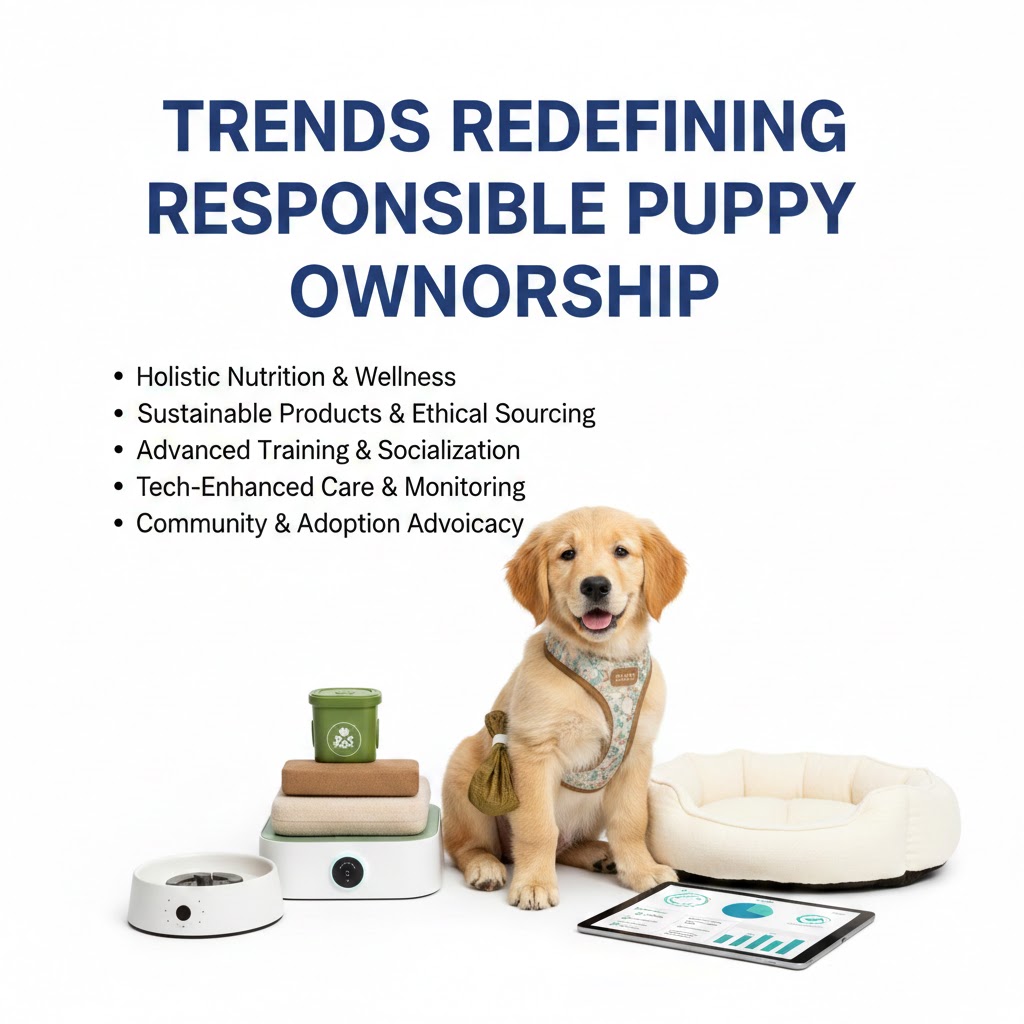
Responsible puppy ownership is no longer limited to providing food, shelter, and basic training. In recent years, the definition has expanded significantly as pet owners gain access to better information, veterinary research, and community-driven knowledge. Today’s puppy parents are more intentional, proactive, and educated than ever before. Several emerging trends are reshaping how people raise puppies, placing greater emphasis on long-term health, emotional well-being, and ethical decision-making.
Understanding these trends helps new and experienced dog owners raise healthier, more balanced puppies while avoiding outdated practices that no longer align with modern standards of care.
Shift From Convenience To Conscious Care
One of the most noticeable changes in puppy ownership is the shift away from convenience-based decisions. In the past, many choices were driven by what was cheapest or easiest. Today, owners are prioritizing quality over speed or cost.
This trend shows up in everything from food selection and training methods to grooming tools and veterinary care. Puppy owners are researching before purchasing, comparing options, and asking professionals for guidance. This conscious approach reflects a deeper understanding that early decisions can shape a dog’s health and behavior for years.
Early Focus On Mental And Emotional Health
Modern puppy ownership places strong emphasis on emotional well-being, not just physical growth. Owners are paying closer attention to stress levels, fear responses, and confidence development during early life stages.
Puppies are now being exposed gradually to new environments, people, and experiences instead of being overwhelmed. This approach reduces anxiety, improves adaptability, and lowers the risk of behavioral problems later in life. Emotional health is increasingly seen as just as important as obedience training.
Positive Reinforcement Becoming The Standard
Training philosophies have undergone a major transformation. Positive reinforcement methods are now widely recognized as the most effective and humane way to train puppies. This approach focuses on rewarding desired behaviors rather than punishing mistakes.
Owners are moving away from dominance-based techniques and harsh corrections. Instead, they are using treats, praise, and consistency to guide behavior. This trend results in stronger bonds between puppies and owners and promotes trust-based learning.
Structured Routines Replacing Random Schedules
Another trend redefining responsible puppy ownership is the use of structured daily routines. Puppies thrive on predictability, and modern owners are increasingly aware of this.
Feeding times, potty breaks, play sessions, training, and rest periods are being scheduled intentionally. Structured routines help puppies feel secure and reduce confusion, anxiety, and unwanted behaviors. This consistency also makes training easier and supports healthy development.
Increased Awareness Of Developmental Stages
Today’s puppy owners are learning more about canine development stages and how needs change over time. Rather than expecting puppies to behave like adult dogs, owners are adjusting expectations based on age and maturity.
Teething, fear periods, growth spurts, and energy fluctuations are better understood and managed with patience. This awareness prevents frustration and helps owners respond appropriately to normal puppy behaviors instead of mislabeling them as problems.
Educational platforms like PetsDogPuppy play a key role in helping owners understand these stages and make informed decisions throughout puppyhood.
Nutrition As A Long Term Health Investment
Feeding puppies is no longer viewed as a short-term task but as a long-term investment in health. Owners are paying closer attention to ingredient quality, portion control, and life-stage-specific formulas.
There is growing understanding that poor nutrition during puppyhood can lead to joint issues, digestive problems, and chronic health conditions in adulthood. This has encouraged owners to choose balanced diets, consult veterinarians, and avoid fad feeding trends without scientific backing.
Socialization With Purpose And Safety
Socialization remains a cornerstone of responsible puppy ownership, but the approach has become more thoughtful. Instead of exposing puppies to everything at once, owners are focusing on safe, positive, and controlled experiences.
Puppy classes, supervised play sessions, and gradual introductions to new environments are preferred over chaotic interactions. This approach builds confidence while minimizing the risk of fear-based reactions or illness exposure.
Preventive Healthcare Becoming A Priority
Preventive care is another area where puppy ownership standards have evolved. Routine veterinary visits, vaccinations, parasite prevention, and early health screenings are now seen as essential rather than optional.
Owners are also becoming proactive about dental care, weight management, and joint health from an early age. Preventing problems is increasingly valued over treating issues after they arise.
Ethical Breeding And Adoption Awareness
Responsible puppy ownership now begins before a puppy even comes home. More owners are researching breeders, understanding genetic health testing, and recognizing the importance of ethical breeding practices.
Adoption from shelters and rescue organizations is also receiving increased attention. Owners are asking better questions and prioritizing health, temperament, and ethical sourcing over appearance or trends.
This shift reduces the demand for irresponsible breeding and contributes to overall canine welfare.
Technology Supporting Smarter Puppy Care
Technology is playing a growing role in how puppies are raised. From health tracking apps to training resources and online veterinary consultations, owners have more tools than ever.
Smart feeding tools, GPS collars, and behavior monitoring devices help owners stay informed and responsive. While technology does not replace hands-on care, it supports better decision-making and accountability.
Community Driven Learning And Support
Modern puppy owners are less isolated. Online communities, local training groups, and educational platforms allow owners to share experiences and learn from one another.
This community-driven approach reduces misinformation and encourages responsible practices. Owners can seek advice, compare experiences, and access expert-backed resources more easily than ever before.
Platforms such as PetsDogPuppy help bridge the gap between professional guidance and everyday puppy care by offering practical, experience-based insights.
Time Investment Over Quick Fixes
Another defining trend is the understanding that raising a well-adjusted puppy requires time and patience. Owners are moving away from quick fixes and unrealistic expectations.
Training, bonding, and behavior shaping are recognized as ongoing processes rather than one-time tasks. This mindset leads to better outcomes and stronger human-dog relationships.
Accountability And Owner Responsibility
Today’s puppy owners are taking greater responsibility for their dog’s behavior in public and private spaces. Leash training, recall practice, and polite behavior are prioritized to ensure puppies grow into respectful adult dogs.
This accountability improves safety, strengthens community trust, and reflects a broader cultural shift toward responsible pet ownership.
Preparing Puppies For Real World Lifestyles
Modern puppies are being raised with future lifestyles in mind. Owners consider their living environments, work schedules, and activity levels when shaping routines and training habits.
Urban puppies are trained to handle noise and crowds, while suburban and rural puppies are prepared for different challenges. This intentional preparation helps puppies adapt successfully to their long-term environments.
Long Term Impact Of These Trends
These evolving trends are producing healthier, more confident, and better-adjusted dogs. Puppies raised under modern standards of responsible ownership are less likely to develop behavioral issues, chronic health problems, or anxiety-related challenges.
Owners benefit as well, experiencing stronger bonds, fewer frustrations, and more rewarding relationships with their dogs.
Final Thoughts On Responsible Puppy Ownership
Trends redefining responsible puppy ownership reflect a deeper understanding of what puppies truly need to thrive. Knowledge, empathy, consistency, and ethical decision-making are replacing outdated practices and assumptions.
As puppy care continues to evolve, staying informed and adaptable remains essential. Responsible ownership is not about perfection but about commitment, education, and the willingness to grow alongside your puppy. By embracing these trends, today’s owners are setting a higher standard for canine care and creating better lives for dogs everywhere.