
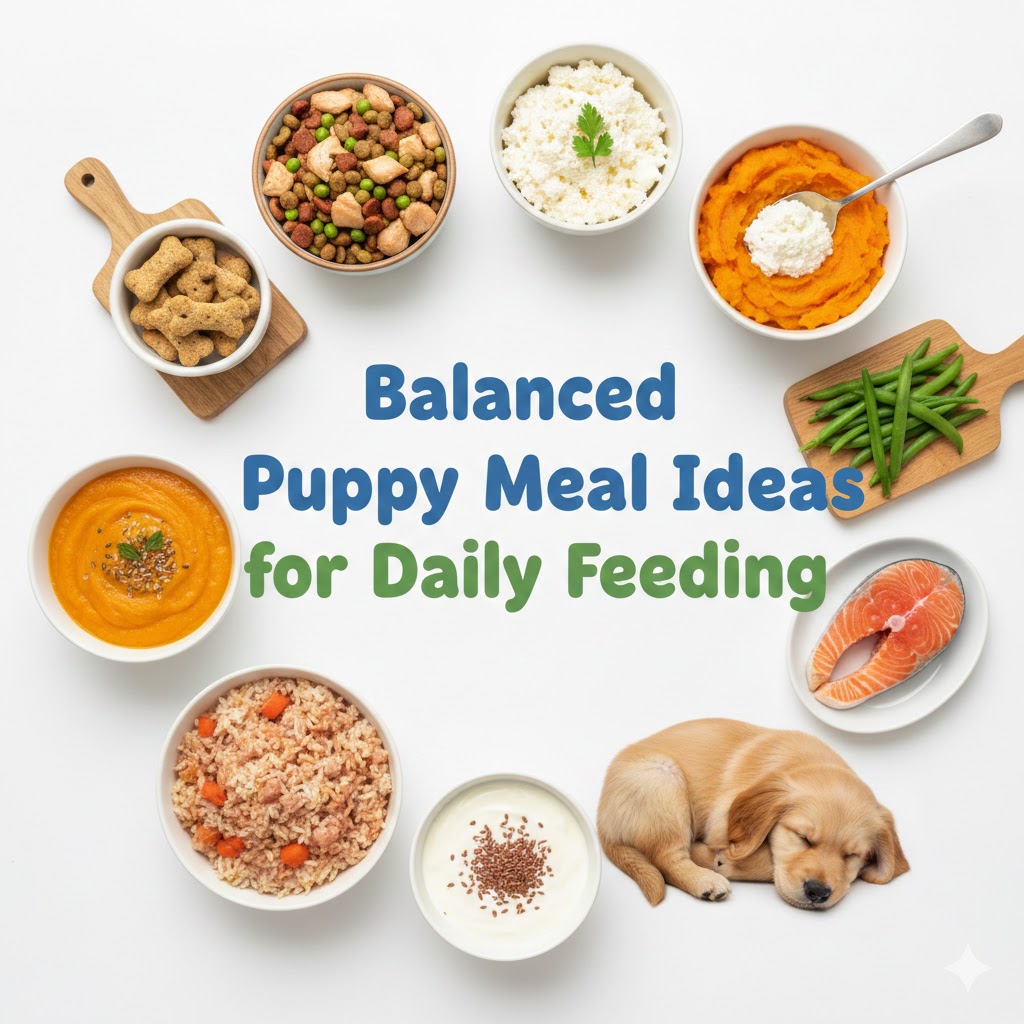
Feeding your puppy the right meals every day is crucial for healthy growth, stable energy, and strong immunity. Puppies need a balanced mix of protein, fats, vitamins, and minerals to support rapid development. Creating daily meal plans that fit your puppy’s age, breed, and activity levels helps ensure they grow into healthy adult dogs.
Understanding What a Balanced Puppy Meal Includes
A well-balanced puppy meal should contain high-quality protein sources like chicken, turkey, fish, or lamb. Healthy fats provide energy and support brain development, while carbohydrates offer slow-releasing fuel. Puppies also require essential nutrients such as calcium, DHA, and antioxidants to build strong bones, a sharp mind, and a strong immune system. Helpful guides on PetsDogPuppy make it easier for owners to compare safe meal options for growing pups.
Commercial Meals That Support Daily Puppy Nutrition
Good-quality commercial puppy food is formulated to meet growth requirements. Most brands design meals with the right nutrient ratios, making them a reliable everyday option. Look for foods with real meat as the first ingredient, minimal fillers, and natural additives. Small and medium-breed puppies may need smaller kibble sizes, while large breeds require controlled calcium levels for steady growth.
Easy Homemade Meal Ideas for Puppies
Homemade meals can be nutritious and budget-friendly when prepared correctly. Popular options include:
• Boiled chicken with rice and carrots
• Scrambled eggs with a small amount of pumpkin
• Soft-cooked fish with sweet potatoes
• Minced meat mixed with steamed vegetables
These meals should be plain, without salt, oil, or spices. Homemade meals can be mixed with kibble to create a balanced daily routine.
Including Healthy Add-ons for Better Nutrition
Adding nutrient-rich extras helps complete your puppy’s daily nutrition. Some safe additions include:
• A spoonful of plain yogurt for probiotics
• Cooked pumpkin for digestion
• A little boiled egg for extra protein
• Fish oil drops for coat and brain development
These add-ons should be given in small amounts to avoid digestive issues.
Creating a Consistent Daily Feeding Schedule
Puppies thrive on routine, so feeding them at the same times each day helps support healthy digestion and behavior. Most puppies need three to four meals daily depending on their age. Controlled portions prevent overfeeding and keep their weight in check. Spread out meals evenly to maintain energy throughout the day.
Monitoring Portion Size and Growth
Every puppy grows differently, so meal portions should match their age, breed, and activity level. Active puppies may require slightly larger portions, while smaller or calmer breeds may need less. Regularly checking weight, appetite, and energy levels helps ensure your puppy is growing properly. Owners often turn to PetsDogPuppy for guidance on age-specific feeding needs.
Final Thoughts
Balanced daily meals play a vital role in your puppy’s long-term health. With a mix of quality commercial food, simple homemade additions, and a steady feeding routine, you can support healthy growth and development. Paying attention to ingredients, portion sizes, and nutritional balance ensures your puppy receives everything they need to thrive.