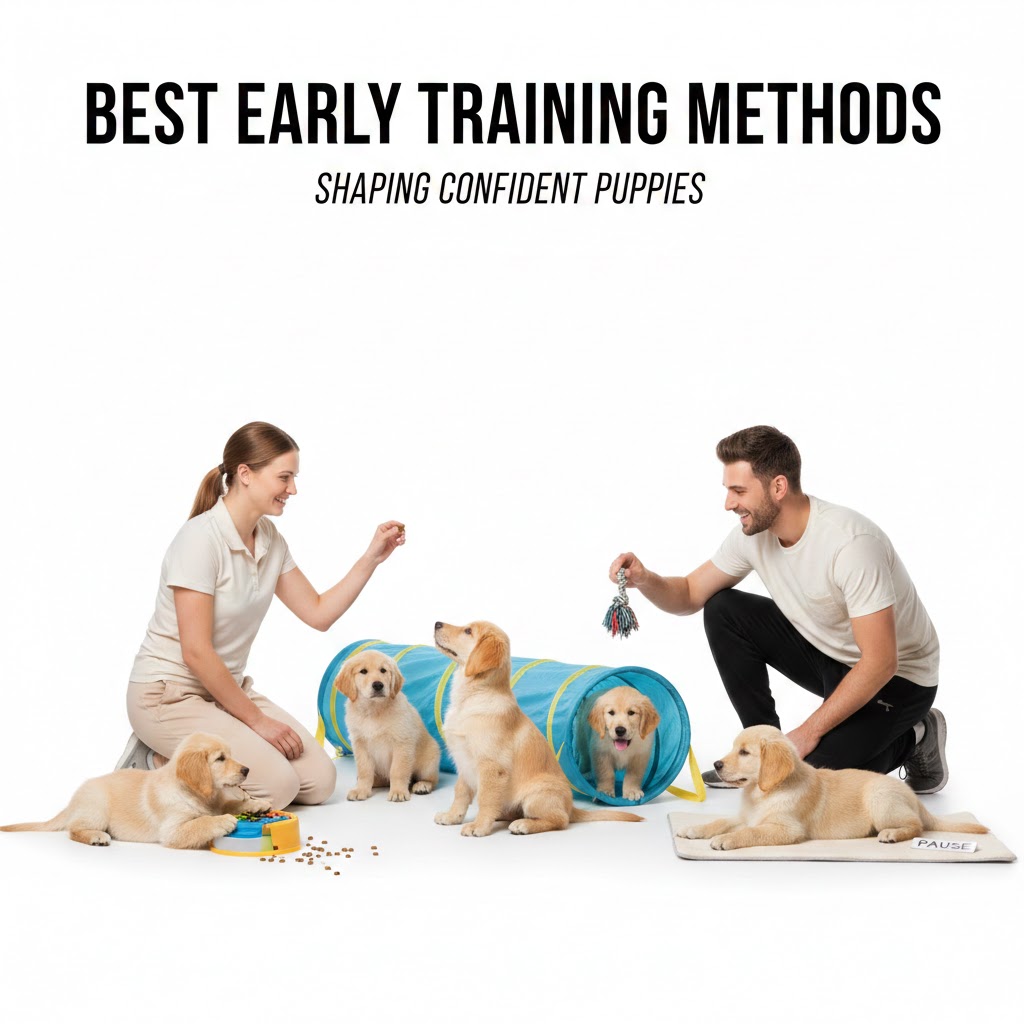
Early puppy training lays the foundation for confidence, good behavior, and a strong bond with the owner. The habits and lessons taught in the first few months help puppies understand boundaries, build trust, and adapt to new environments with ease. Using gentle and consistent methods ensures your puppy grows into a calm, well-mannered adult dog.
Why Early Training Is Important
Puppies learn rapidly during their early developmental stages. Their minds are open, curious, and highly responsive. Training them young helps prevent future behavior problems such as fear, aggression, or anxiety. Guidance from PetsDogPuppy often highlights how early lessons promote emotional stability and confidence in growing puppies.
Start with Name Recognition and Basic Commands
Teaching your puppy to respond to their name is the first and most essential step. Once they understand their name, introduce simple commands like sit, stay, come, and down. These commands build structure and make your puppy more attentive. Keep sessions short and fun to maintain their interest.
Use Positive Reinforcement for Better Learning
Reward-based training is one of the most effective methods. Praise, treats, or playtime encourage your puppy to repeat good behavior. Positive reinforcement boosts confidence and helps puppies learn without fear or stress. Avoid punishment and focus on guiding them gently.
Crate Training for Security and Routine
Crate training gives puppies a safe, cozy space they can call their own. It helps with housebreaking, prevents destructive behavior, and provides comfort during rest. Introduce the crate slowly, using treats and toys to make it inviting. Over time, the crate becomes a place where puppies feel secure.
Establish a Consistent Potty Routine
Consistency is key in early potty training. Take your puppy to the designated spot after meals, naps, and playtime. Frequent breaks and positive rewards help them understand where and when to go. Patience and routine lead to faster success.
Leash Training to Build Control and Confidence
Leash training teaches puppies how to walk calmly without pulling. Start in a quiet area, allowing them to explore while keeping the leash loose. Reward calm walking and gradually introduce more distractions. Proper leash skills build confidence outdoors and improve behavior during walks.
Introduce Safe Socialization Early
Socialization is a vital part of early training. Exposing your puppy to new sounds, people, pets, and environments helps reduce fear and builds adaptability. Puppies that socialize early grow up more friendly, calm, and confident. Many owners rely on resources from PetsDogPuppy to follow safe socialization practices.
Teach Bite Inhibition and Gentle Play
Puppies naturally use their mouths during play, but they must learn to control their bite strength. Redirect biting to toys, stop play when biting becomes rough, and reward gentle behavior. These methods help puppies develop polite play manners and prevent future problems.
Keep Training Sessions Short and Engaging
Puppies have short attention spans, so training sessions should last only a few minutes. Use variety, encouragement, and plenty of praise. Consistency matters more than long hours. Frequent short sessions lead to steady progress and enjoyment.
Final Thoughts
Early training shapes the foundation of your puppy’s confidence, behavior, and overall personality. With gentle methods, consistent routines, and the right guidance, your puppy can grow into a calm and well-adjusted adult dog. Starting early makes training easier and strengthens the bond between you and your furry companion.