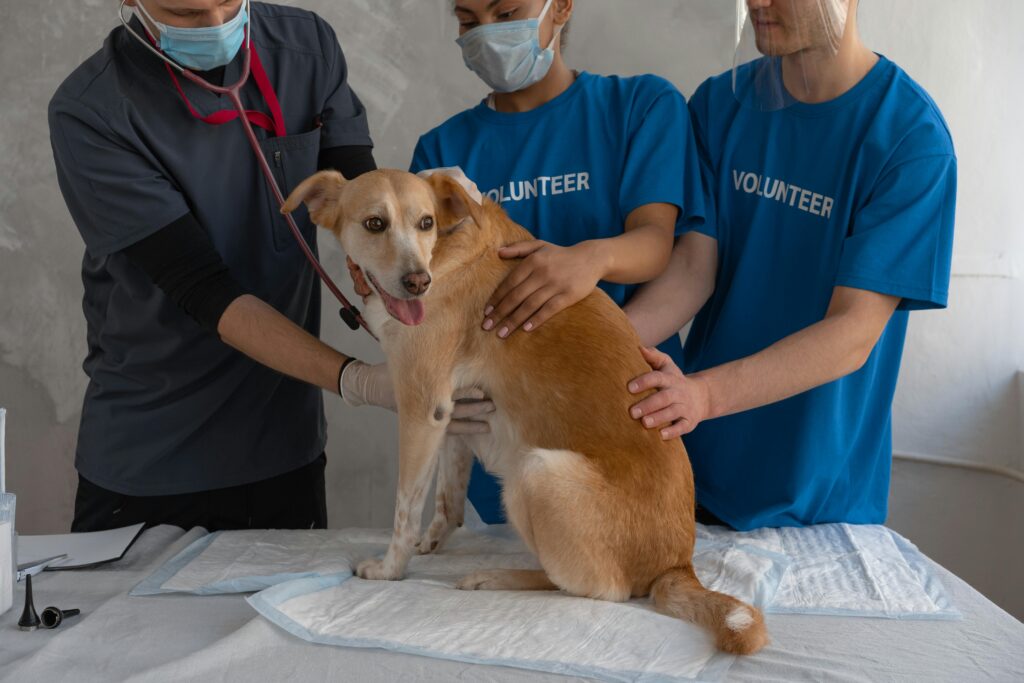

Best Veterinary Clinics in Austin, TX: Keeping Your Puppy Healthy
Thoughtful guidance for choosing a puppy veterinarian, understanding preventive care, and helping your newest family member get a healthy start.
Best Veterinary Clinics in Austin, TX: Keeping Your Puppy Healthy
Bringing a new puppy home is an exciting experience filled with playful moments, new discoveries, and plenty of cuddles. Along with the fun comes an important responsibility: making sure your puppy receives the veterinary care needed to grow into a healthy, happy adult dog.
If you are searching for the best veterinary clinics in Austin, TX, choosing the right veterinarian is one of the most valuable decisions you can make for your new companion. A good veterinary team does more than administer vaccines or treat illnesses. It helps you understand your puppy’s development, recommends preventive care, answers questions about nutrition and behavior, and guides you through the first year of pet ownership.
Austin offers a variety of veterinary practices, from neighborhood clinics providing routine wellness exams to full-service animal hospitals and emergency veterinary centers. The right choice depends on your location, your puppy’s health needs, your budget, and the kind of support you want from your veterinarian.
This guide explores veterinary clinics in Austin worth researching, explains which services puppies need, and shares practical tips for choosing a trusted puppy veterinarian.
Why Choosing the Right Puppy Veterinarian Matters
Puppies grow quickly, and their healthcare needs change throughout their first year. Early veterinary visits help establish a health baseline, identify potential problems, and create a preventive care plan suited to your puppy’s age, breed, lifestyle, and medical history.
During an initial examination, a veterinarian may assess your puppy’s weight, body condition, eyes, ears, teeth, skin, heart, lungs, joints, and overall development. The visit is also an opportunity to discuss vaccination schedules, parasite prevention, feeding routines, socialization, and training.
Regular veterinary care can help identify concerns before they become more serious. It also gives you a reliable professional to contact when you notice changes in appetite, energy, digestion, or behavior.
When comparing Austin veterinary clinics, look beyond convenience alone. Consider the quality of communication, the services available, the clinic’s approach to handling young animals, appointment availability, and how clearly the staff explains treatment recommendations and costs.
Best Veterinary Clinics in Austin, TX, for Puppy Care
The following Austin-area veterinary practices offer options worth considering for puppy owners. Each has different services and locations, so contact the clinic directly to confirm current availability, pricing, new-patient policies, and whether it can meet your puppy’s specific needs.
1. Northwest Austin Veterinary Center
Location: 11846 Jollyville Road, Austin, TX 78759
Northwest Austin Veterinary Center is an option for pet owners in North Austin looking for routine veterinary services and dedicated puppy care. The clinic lists wellness examinations, vaccinations, dental care, and puppy and kitten services among its offerings.
For a newly adopted puppy, having a regular veterinary clinic can make it easier to coordinate the initial examination, follow-up vaccine appointments, parasite screening, and ongoing health checks.
The veterinary team can help develop an age-appropriate healthcare plan and discuss preventive measures based on your puppy’s living environment and daily activities.
Why consider this clinic?
- Puppy and kitten healthcare services
- Routine wellness examinations and vaccinations
- Preventive care and dental services
- A North Austin location convenient for nearby residents
Best for: Puppy owners in North Austin who want a clinic for routine and preventive veterinary care.
Website: https://www.nwaustinveterinarycenter.com/
2. Parker Animal Care
Location: 2239 South Lamar Boulevard, Austin, TX 78704
Parker Animal Care serves Austin pet owners from its South Lamar location and provides veterinary services designed to support pets through different life stages.
Its listed services include puppy and kitten care, wellness visits, preventive medicine, diagnostic services, and additional treatment options. This range can be useful when you want a veterinary practice that can continue caring for your puppy as its needs evolve.
During your first visit, ask about the clinic’s recommended puppy vaccination schedule, parasite prevention options, nutrition guidance, and the timing of future wellness appointments. You can also discuss microchipping and the appropriate timing of spaying or neutering.
Parker Animal Care highlights individualized care and offers information about wellness plans. Ask the clinic for current eligibility requirements and pricing before deciding whether a plan fits your budget.
Why consider this clinic?
- Puppy and kitten wellness care
- Preventive medicine and diagnostic services
- Guidance on nutrition and life-stage needs
- A South Austin location
Best for: Owners looking for a South Austin veterinary practice that offers preventive care and support as their puppy grows.
Website: https://www.parkeranimalcare.com/
3. Best Vet Austin
Best Vet serves Austin and surrounding communities with general veterinary care focused on helping pets stay healthy and comfortable.
The clinic lists wellness examinations, vaccinations, and in-house laboratory testing and X-ray services. Access to diagnostic testing can be helpful when a veterinarian needs more information about a puppy’s symptoms rather than relying on a physical examination alone.
For example, if your puppy develops persistent digestive problems, unexplained lethargy, or another concerning symptom, your veterinarian may recommend diagnostic tests based on the examination and medical history.
When contacting the practice, ask whether it is accepting new puppy patients and whether it offers the full range of preventive services your puppy needs during the first year.
Why consider this clinic?
- Routine wellness examinations
- Vaccination services
- In-house laboratory testing and X-rays
- General veterinary care in Austin
Best for: Pet owners seeking a general veterinary practice with wellness services and diagnostic capabilities.
Website: https://bestvetaustin.com/
4. Crestview Veterinary Clinic
Location: 7415 Burnet Road, Austin, TX 78757
Crestview Veterinary Clinic is a full-service veterinary practice in Austin that provides care for dogs and cats. Its listed services include preventive veterinary care, diagnostic testing, dentistry, surgery, and support for urgent medical concerns during its operating hours.
For puppy owners, a clinic offering a broad range of services can be convenient because your pet’s healthcare needs may change as it grows. Early appointments can focus on wellness, vaccinations, parasite prevention, and nutrition, while later visits may address dental development, reproductive health, or unexpected illnesses.
Ask about puppy wellness packages, follow-up appointments, same-day sick visits, and the clinic’s process for handling emergencies outside regular business hours.
Why consider this clinic?
- A broad range of veterinary services
- Preventive care and diagnostic support
- Dental and surgical services
- A Burnet Road location in Austin
Best for: Owners looking for a full-service veterinary practice for routine appointments and a range of medical needs.
Website: https://www.crestviewvc.com/
5. BEEVET Animal Hospital
Location: 11817 Bee Caves Road, Austin, TX 78738
BEEVET Animal Hospital provides veterinary care for dogs, cats, and other animals. Its services include wellness care, specialty services, dentistry, and other treatment options.
The hospital also highlights its accreditations and certifications, which prospective clients can review when evaluating its approach to veterinary standards and patient care.
For a young puppy, ask about the recommended schedule for physical examinations, vaccinations, fecal testing, deworming, and ongoing parasite prevention. You should also discuss any breed-related health concerns and the best way to prepare your puppy for future visits.
If you live in West Austin or near Bee Cave, its location may be convenient for establishing a regular veterinary relationship.
Why consider this clinic?
- Preventive wellness services
- Dental and additional veterinary services
- Care for dogs and cats
- A location serving the Austin and Bee Cave area
Best for: Owners seeking a veterinary hospital with a broad service offering near West Austin and Bee Cave.
Website: https://www.mybeevet.com/
6. Highland’s Pet Medical Clinic
Highland’s Pet Medical Clinic is another Austin practice to consider when comparing full-service veterinary care.
The clinic describes services and facilities that include veterinary examinations, surgery, radiography, hospitalization support, and pharmacy services. It also emphasizes communication and educating pet owners about their animals’ healthcare needs.
For puppy owners, clear communication matters. You should feel comfortable asking why a vaccine is recommended, what a diagnostic test is intended to determine, which preventive medications are appropriate, and what signs would justify a follow-up appointment.
Before choosing the clinic, confirm its current address, appointment availability, fees, and the specific puppy wellness services it offers.
Why consider this clinic?
- A range of general veterinary and surgical services
- Diagnostic capabilities
- An emphasis on client education
- Access to additional veterinary resources when specialty care is needed
Best for: Pet owners who value a practice that combines general veterinary care with diagnostic and surgical capabilities.
Website: https://petclinicaustin.com/
What to Look for When Choosing a Puppy Vet in Austin
The best veterinarian for your puppy is not necessarily the closest clinic or the one with the most services. It is the practice that can provide appropriate medical care, explain its recommendations, and help you make informed decisions throughout your dog’s life.
Use these factors when comparing veterinary clinics in Austin.
1. Experience With Puppies
Puppies have different healthcare needs from adult dogs. Their immune systems are still developing, and they require carefully timed preventive care and monitoring.
Ask whether the clinic routinely sees puppies and whether its veterinarians can guide you through vaccination schedules, parasite control, nutrition, dental development, and behavioral questions.
2. A Complete Preventive Care Plan
A good puppy healthcare plan should be based on age, medical history, lifestyle, geographic risks, and veterinary guidance.
Depending on the puppy, it may include:
- Physical examinations and weight monitoring
- Core vaccinations and other risk-based vaccines
- Fecal testing and deworming when appropriate
- Flea, tick, and heartworm prevention
- Nutrition and feeding guidance
- Microchipping and identification advice
- Dental health and grooming guidance
- Discussions about spaying or neutering
Ask the veterinarian to explain which services are recommended now, which can wait, and when your next appointment should take place.
3. Clear Pricing and Payment Options
Veterinary expenses can add up during the first year, particularly when several vaccine visits and preventive treatments are needed.
Before booking, ask for an estimate covering the initial examination, recommended vaccines, fecal testing, deworming, and parasite prevention. The final cost will depend on your puppy’s needs and the clinic’s fees.
Some practices offer puppy wellness packages or monthly plans. Review exactly what each plan includes, whether medications and laboratory tests are extra, and whether there are enrollment requirements.
A lower initial examination fee does not necessarily mean lower overall costs. Compare the services included in each estimate.
4. Convenient Appointments and Follow-Up Care
Young puppies often need several appointments over a relatively short period. A clinic with practical appointment times and an organized follow-up process can make preventive care easier to manage.
Ask whether the practice accepts new patients, how far ahead appointments must be booked, whether Saturday visits are available, and how the clinic handles questions after an appointment.
You should also know where to go if your puppy becomes ill after regular business hours.
5. A Calm and Puppy-Friendly Environment
Your puppy’s early veterinary experiences can influence how comfortable it feels during future visits.
Look for a team that handles young animals gently, allows time for questions, and explains how to make examinations less stressful. You can ask whether the clinic uses low-stress handling techniques or offers recommendations for puppies that are nervous around unfamiliar people.
Bring treats if the clinic permits them, use a secure carrier or leash appropriate for your puppy, and follow the veterinarian’s advice about limiting exposure to other animals before vaccinations are complete.
6. Emergency and Referral Support
Not every general veterinary clinic provides overnight emergency treatment or advanced specialty services.
Ask which emergency hospital the clinic recommends, whether it has arrangements with referral specialists, and how medical records are transferred when your puppy needs additional care.
Save the emergency hospital’s phone number before you need it. During a medical emergency, knowing where to go can save valuable time.
Your Puppy’s First Veterinary Visit: What to Expect
Scheduling a veterinary appointment soon after bringing your puppy home helps you understand its health status and establish a plan for preventive care.
If possible, arrange the appointment promptly after adoption or purchase. The exact timing depends on your puppy’s age, health, previous veterinary care, and any instructions from the shelter, breeder, or rescue organization.
Bring the Right Information
Prepare the following items before leaving home:
- Adoption or breeder paperwork
- Previous vaccination and deworming records
- Information about food, treats, and feeding frequency
- Details about any symptoms or unusual behavior
- A list of questions about training, sleep, and socialization
- Information about medications or supplements, if applicable
If your puppy has diarrhea, vomiting, coughing, or another symptom, tell the clinic before arriving. Staff can advise you on how to bring your puppy in while reducing the risk of exposing other animals.
Understand the Examination
During the appointment, the veterinarian will review your puppy’s medical history and conduct an examination. Depending on the findings, the veterinarian may recommend vaccinations, parasite screening, deworming, or diagnostic testing.
This is also a good time to discuss nutrition, safe exercise, grooming, tooth brushing, crate training, and common puppy behaviors such as chewing and mouthing.
Do not worry if you have many questions. A first appointment is an opportunity to learn how to care for your new companion.
Puppy Vaccinations and Preventive Care in Austin, Texas
Vaccination is an important part of protecting puppies against serious infectious diseases.
Veterinarians commonly recommend core vaccines that protect against diseases such as canine distemper, parvovirus, adenovirus, and rabies. Depending on your puppy’s lifestyle and exposure risks, your veterinarian may also recommend vaccines for diseases such as Bordetella, leptospirosis, or canine influenza.
Puppies generally receive a series of vaccinations beginning in early life, with repeat doses at intervals determined by veterinary guidelines. The schedule depends on the puppy’s age, previous vaccine history, local disease risks, and the product used.
Do not assume that one vaccination provides complete protection. Your veterinarian will explain when the series is complete and when additional boosters are needed.
Why Austin Puppy Owners Should Discuss Parasite Prevention
Fleas, ticks, intestinal parasites, and heartworms are important considerations for dogs living in Central Texas.
Your veterinarian can recommend suitable prevention based on your puppy’s age, weight, medical history, and risk of exposure. Never give a puppy a medication intended for an adult dog without confirming the correct product and dose with a veterinary professional.
Ask about fecal testing, deworming, heartworm prevention, and year-round flea and tick protection. Preventive recommendations should be individualized rather than based on assumptions about where your puppy spends its time.
When Can a Puppy Safely Visit Parks and Dog-Friendly Places?
Puppies benefit from early socialization, but they also need protection from infectious diseases.
Ask your veterinarian how to balance safe socialization with vaccination status and local disease risks. Until your puppy is appropriately protected, avoid high-risk environments such as heavily trafficked dog parks or places contaminated by unknown dogs.
Your veterinarian can suggest safer socialization options, including controlled interactions with healthy, vaccinated dogs and puppy classes that follow appropriate hygiene and vaccination policies.
How Much Does a Puppy Vet Visit Cost in Austin?
The cost of veterinary care in Austin varies by clinic, service, medication, and your puppy’s individual needs. There is no single price that applies to every first visit.
A routine puppy appointment may involve an examination fee, while vaccinations, laboratory testing, deworming, parasite prevention, and microchipping may be charged separately.
Before booking, ask the clinic for an itemized estimate that explains the expected costs. If your budget is limited, tell the veterinarian. The team may be able to help prioritize medically important services and explain which preventive care options are most appropriate.
When comparing prices, consider the value of the complete service rather than the initial fee alone. Ask whether follow-up visits, vaccine boosters, tests, and medications are included in any package.
If you are looking for affordable puppy veterinary care in Austin, you can also ask about community vaccination events or nonprofit programs. Confirm eligibility, appointment requirements, and which services are available before relying on a low-cost clinic for your puppy’s complete healthcare.
Puppy Health Warning Signs: When to Call a Veterinarian
Puppies can become unwell quickly, so it is important to know when to seek advice.
Contact your veterinarian promptly if your puppy has persistent vomiting or diarrhea, reduced appetite, unusual tiredness, coughing, eye discharge, skin irritation, or a sudden change in behavior.
Seek emergency veterinary care for serious warning signs such as difficulty breathing, collapse, seizures, severe bleeding, suspected poisoning, a swollen abdomen with distress, or repeated attempts to vomit without producing anything.
Repeated vomiting or diarrhea can be particularly concerning in young puppies because dehydration can develop rapidly. Bloody diarrhea, severe weakness, or suspected parvovirus exposure requires urgent veterinary attention.
If you believe your puppy has swallowed medication, a toxic substance, or a dangerous object, contact a veterinary professional or emergency animal hospital immediately. Do not wait for symptoms to appear or attempt home treatment without professional advice.
Frequently Asked Questions About Veterinary Clinics in Austin, TX
1. What are the best veterinary clinics in Austin, TX, for puppies?
Northwest Austin Veterinary Center, Parker Animal Care, Best Vet Austin, Crestview Veterinary Clinic, BEEVET Animal Hospital, and Highland’s Pet Medical Clinic are options to research. The best choice depends on location, services, appointment availability, pricing, and your puppy’s healthcare needs.
2. When should I take my new puppy to a veterinarian?
Arrange a veterinary visit soon after bringing your puppy home. Your veterinarian can assess its health, review previous medical records, and create an appropriate plan for vaccinations, parasite prevention, nutrition, and follow-up examinations.
3. How often do puppies need veterinary visits?
Puppies usually need several visits during their first few months for examinations, vaccinations, and preventive care. The veterinarian will determine the schedule based on age, medical history, vaccine timing, and health concerns.
4. How much does a puppy’s first vet visit cost in Austin?
Prices vary by clinic and the services required. Request an itemized estimate for the examination, vaccines, parasite screening, deworming, and any recommended medications before your appointment.
5. Which vaccinations does a puppy need in Texas?
Core vaccinations commonly protect against distemper, parvovirus, adenovirus, and rabies. Additional vaccines may be appropriate depending on lifestyle and exposure risks. Your veterinarian will recommend a schedule based on your puppy’s age and medical history.
6. Can I take my puppy outside before all vaccinations are complete?
Your puppy can often begin carefully managed socialization before the full vaccination series is complete, but the safest activities depend on its age, vaccine history, and local disease risks. Ask your veterinarian which environments and interactions are appropriate.
7. Do Austin veterinary clinics offer low-cost puppy vaccinations?
Some veterinary practices, nonprofit organizations, and community programs may offer lower-cost vaccination services. Confirm current prices, eligibility, appointment requirements, and whether a full wellness examination is included.
8. What should I bring to my puppy’s first vet appointment?
Bring available vaccination and deworming records, adoption or breeder paperwork, information about your puppy’s food, a list of symptoms or concerns, and any medication details. Ask the clinic whether it needs a fresh stool sample.
9. Should I choose a general veterinarian or an animal hospital?
A general veterinary practice is often suitable for routine examinations, preventive care, and common illnesses. An animal hospital with advanced diagnostics or specialty services may be useful for more complex needs. Your regular veterinarian can advise when referral care is necessary.
10. Where can I take my puppy for a veterinary emergency in Austin?
Austin has emergency and specialty veterinary facilities, including Central Texas Veterinary Specialty & Emergency Hospital, Austin Veterinary Emergency and Specialty, and VEG ER for Pets. Verify the nearest location, current hours, and intake instructions before traveling.
11. Does my puppy need flea, tick, and heartworm prevention in Austin?
Your veterinarian can recommend suitable preventive medications based on your puppy’s age, weight, health, and exposure risks. Discuss local parasite risks and the appropriate timing for starting each product.
12. How can I find an affordable veterinarian in Austin?
Compare itemized estimates, ask about puppy wellness packages and payment options, and check whether local nonprofit or community vaccination programs are available. Make sure the services meet your puppy’s medical needs rather than choosing solely on price.
13. When should my puppy be spayed or neutered?
The recommended timing varies according to breed, expected adult size, health, and other individual factors. Discuss the benefits, risks, and appropriate timing with your veterinarian instead of relying on one schedule for every dog.
14. Do veterinary clinics in Austin accept new puppy patients?
New-patient availability changes by clinic and season. Contact the practice directly to confirm whether it is accepting puppies, how soon it can schedule an examination, and which records you should provide.
15. How do I know if my puppy needs urgent veterinary care?
Difficulty breathing, collapse, seizures, severe bleeding, suspected poisoning, and severe weakness warrant emergency care. Persistent vomiting or diarrhea, especially in a young puppy, also needs prompt veterinary advice.
Final Thoughts: Find the Right Puppy Vet in Austin
Choosing a veterinarian is an important step toward giving your puppy a healthy start. The right clinic will help you manage vaccinations, parasite prevention, nutrition, dental care, and routine examinations while providing guidance when unexpected health concerns arise.
When comparing the best veterinary clinics in Austin, TX, consider more than location or price. Look for a qualified veterinary team, clear communication, transparent estimates, appropriate preventive services, and a reliable plan for emergencies.
Start by contacting two or three clinics that are convenient for your home or workplace. Ask about first-year puppy care, appointment availability, and estimated costs. With a little research and a consistent preventive care plan, you can build a lasting relationship with a veterinarian who supports your puppy from its first checkup through adulthood.
Give your puppy the best possible start: schedule a wellness examination with a trusted Austin veterinarian and ask for a personalized healthcare plan.
Schedule a wellness examination with a trusted Austin veterinarian and ask for a personalized healthcare plan.