
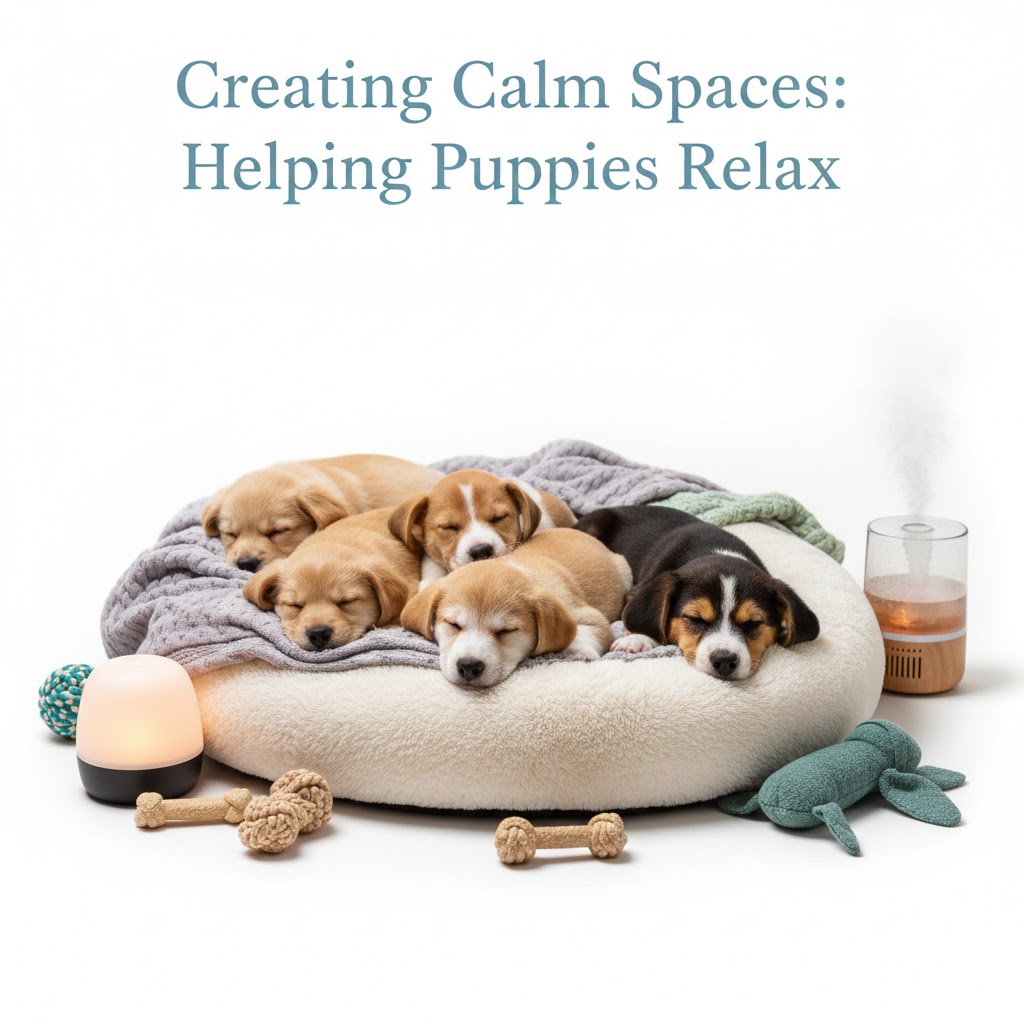
Puppies experience many new sights, sounds, and routines every day, which can sometimes feel overwhelming. Creating a calm, safe space helps puppies feel secure, reduces stress, and supports emotional development. A peaceful environment encourages better sleep, balanced behavior, and smoother adjustment to daily life.
Why Puppies Need Calm Personal Spaces
Just like humans, puppies need a quiet place to rest and reset. Overstimulation can lead to anxiety, excessive barking, or restlessness. A calm space gives your puppy a sense of security and control, especially during early training and growth stages. Many owners discover helpful environment-setting tips through PetsDogPuppy while preparing their homes for a new puppy.
Choosing the Right Location in Your Home
Select a quiet area away from heavy foot traffic, loud televisions, or kitchen noise. The space should feel comfortable but not isolating. Puppies should still be able to observe household activity without being directly in the middle of it. A corner of the living room or a calm bedroom area often works well.
Setting Up Comfortable Bedding
Soft, supportive bedding helps puppies relax and sleep better. Choose a bed that fits your puppy’s size and allows them to stretch comfortably. Adding a familiar blanket or item with your scent can further increase comfort and reassurance.
Managing Light and Sound Levels
Bright lights and loud noises can increase puppy stress. Keep lighting soft and natural where possible. Reduce sudden noises or provide background white noise to mask unpredictable sounds. Gentle music or low-volume calming sounds can also help your puppy unwind.
Using Crates as Safe Retreats
Crates can serve as calming retreats when introduced properly. They should never be used for punishment. A crate with soft bedding, breathable airflow, and an open door allows your puppy to rest comfortably. Crate training helps puppies feel secure and supports better sleep routines.
Maintaining Clean and Organized Spaces
A clean, clutter-free environment contributes to calm behavior. Keep toys organized and remove unnecessary distractions from the resting area. This helps your puppy associate the space with rest rather than active play.
Encouraging Relaxation Through Routine
Consistent daily routines help puppies know what to expect. Feeding, playtime, walks, and rest periods at similar times each day create predictability. Puppies feel calmer when their environment and schedule are stable. Articles on PetsDogPuppy often emphasize routine as a foundation for emotional stability.
Teaching Puppies to Use Their Calm Space
Encourage your puppy to use their calm space by rewarding relaxed behavior. Offer treats or praise when they choose to rest there on their own. Avoid forcing them into the space, allowing it to remain a positive and voluntary retreat.
Final Thoughts
Creating calm spaces is a simple but powerful way to support your puppy’s emotional health. With the right location, comfortable setup, controlled noise levels, and consistent routines, you help your puppy feel safe and relaxed. A peaceful environment builds confidence and supports balanced growth during early development.