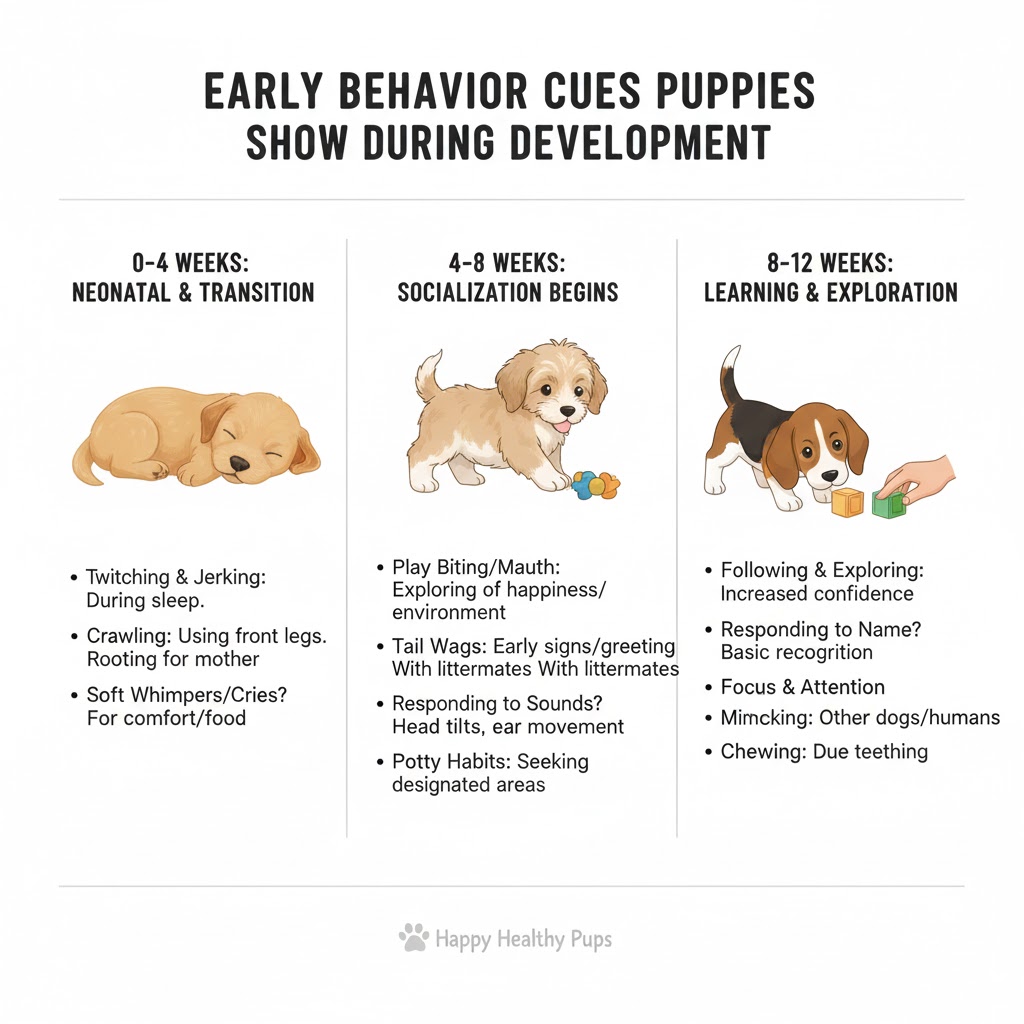
Puppies communicate constantly through their behavior, especially during their first few months of life. Understanding these early cues helps owners guide training, shape good habits, and support healthy emotional growth. Recognizing these signs early makes it easier to prevent unwanted behavior and encourage confidence as your puppy matures.
Why Early Behavior Observation Matters
Puppies learn about the world quickly, and every sound, smell, or interaction influences their behavior. Observing early cues allows owners to understand what a puppy needs, whether it’s comfort, rest, food, or training. Resources on PetsDogPuppy often highlight how early attention to behavior builds a strong bond and smoother development.
Signs of Curiosity and Exploration
A curious puppy sniffs, walks around confidently, and explores new spaces without fear. This curiosity shows good mental development and comfort in their environment. Encouraging exploration through toys, gentle socialization, and short walks helps them learn and grow.
Recognizing Fear or Uncertainty
Some puppies show fear by hiding, lowering their body, tucking their tail, or hesitating around new objects or sounds. These cues mean your puppy needs slow exposure and reassurance. Calm handling and patience help them build trust and confidence.
Early Play Behavior and Social Growth
Play is one of the most important parts of puppy development. Puppies that chase, pounce, wrestle, and tug are learning social skills. Play teaches bite control, boundaries, and communication. Observing how your puppy plays helps you understand their confidence level and personality.
Attention-Seeking Behaviors
Puppies often bark, paw, nudge, or follow owners around to get attention. These behaviors show their need for bonding, interaction, and reassurance. Responding gently and setting routines helps them understand when it’s time for play, rest, or quiet.
Early Signs of Training Readiness
When puppies start sitting on their own, responding to their name, or making eye contact, it shows readiness for basic training. These cues indicate growing focus and understanding. Simple commands like sit, stay, and come can be introduced during this stage.
Cues Related to Hunger and Sleep
Puppies may pace, whine, or search for food bowls when hungry. Similarly, yawning, curling up, or becoming less active are signs they need rest. Recognizing these patterns ensures you meet their needs consistently, helping them maintain stable health and behavior.
Behavior Showing Need for Boundaries
Some puppies jump, nip, or chew excessively during play. These cues show the need for structure and routine. Redirecting their energy with toys or short training sessions helps set clear boundaries. Many owners rely on behavior tips from PetsDogPuppy to guide them through this stage.
Final Thoughts
Puppies show many small cues that reveal how they feel, think, and learn. Paying attention to these early signals helps you support positive development and avoid future challenges. With patience, gentle guidance, and consistent routines, your puppy will grow into a confident, well-behaved companion.