Early health checks are essential for ensuring puppies grow into strong, healthy adult dogs. During their first few months, puppies experience rapid physical and developmental changes, making regular veterinary care especially important. Early health monitoring helps detect issues sooner, supports proper growth, and gives owners confidence in their puppy’s well-being.
Initial Vet Visit After Bringing Your Puppy Home
Your puppy’s first vet visit should take place within the first week of adoption. The veterinarian will check overall health, discuss vaccination schedules, and look for early signs of concerns. This visit sets the foundation for future care. Many new owners rely on PetsDogPuppy to understand what to expect during their first vet appointment.
Core Vaccinations to Protect Against Diseases
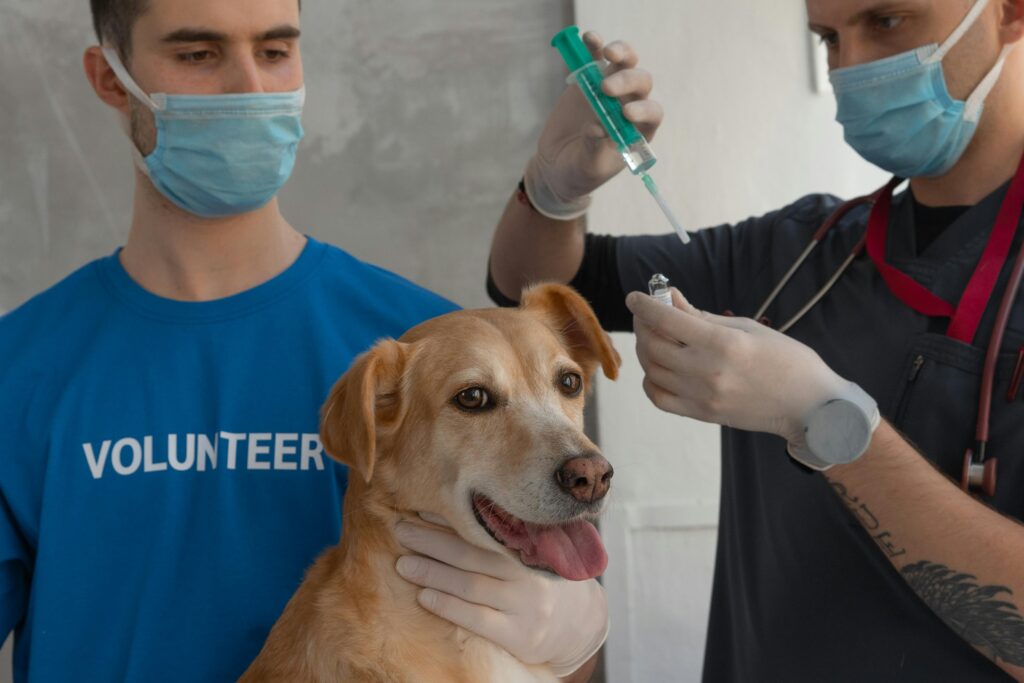
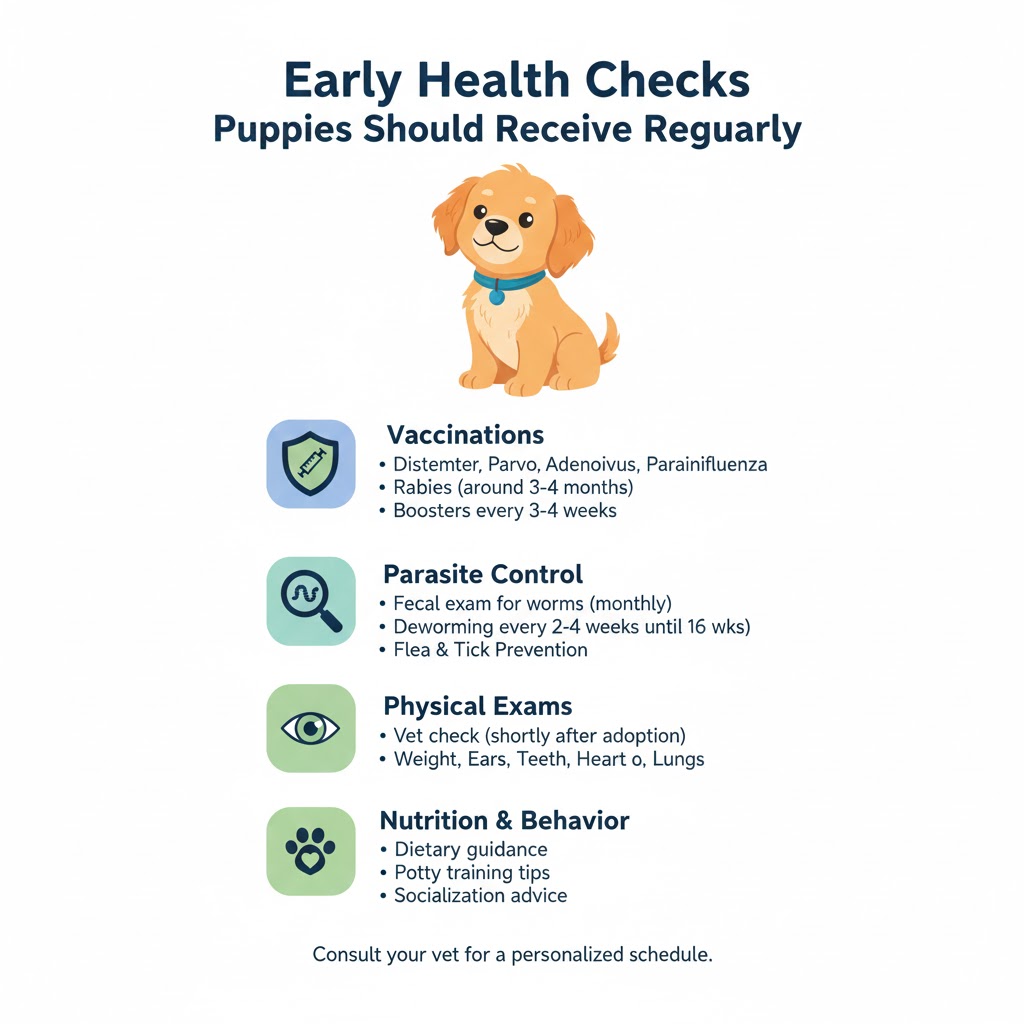
Vaccinations are critical for protecting puppies from serious illnesses such as parvovirus, distemper, hepatitis, and rabies. These shots are usually given in a series from 6 to 16 weeks of age. Keeping up with the schedule ensures strong immunity and reduces the risk of dangerous infections.
Parasite Checks for Fleas, Ticks, and Worms
Puppies are especially vulnerable to parasites. Regular checks for fleas, ticks, and intestinal worms help prevent health issues like anemia, itching, digestive problems, and weakness. Your vet may recommend deworming treatments and safe preventatives based on your puppy’s age and environment.
Dental Checks for Healthy Teeth and Gums
Even at a young age, dental care is important. Vets check for retained baby teeth, gum inflammation, and early signs of dental issues. Teaching your puppy to accept gentle tooth brushing early on makes long-term dental care easier and prevents future problems.
Weight and Growth Monitoring
Tracking your puppy’s weight and body condition helps ensure they are growing at a healthy pace. Sudden weight gain or loss can signal underlying health issues or incorrect feeding routines. Regular monitoring allows adjustments to diet or activity levels as needed.
Ear, Eye, and Skin Examinations
Routine checks of the eyes, ears, and skin help detect infections, allergies, or irritations early. Puppies with floppy ears may need more frequent ear checks, while certain breeds may be prone to eye tearing or skin sensitivities. Quick attention prevents small issues from becoming uncomfortable problems.
Heart and Lung Health Assessments
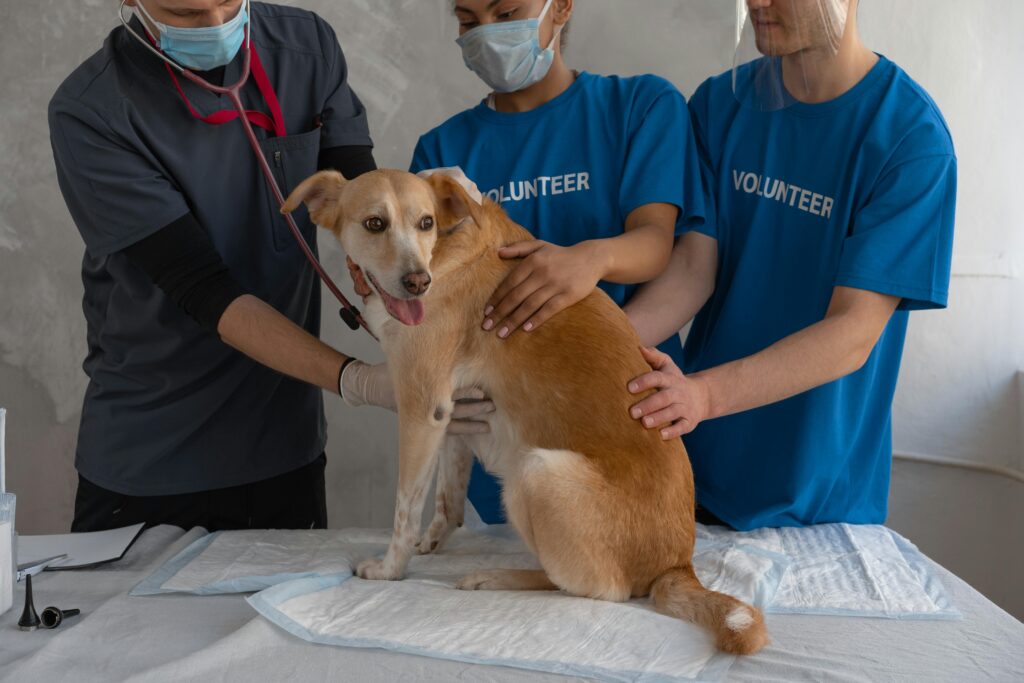
During checkups, the vet listens to your puppy’s heart and lungs to ensure proper development. Early detection of abnormalities can lead to timely treatment and better long-term outcomes. These assessments are simple yet crucial parts of regular puppy care.
Behavioral and Developmental Evaluations
Puppies should also receive evaluations for behavior and development. Vets may observe your puppy’s reactions, energy levels, and responsiveness. These checks help identify early signs of anxiety, fear, or developmental delays. Many owners refer to PetsDogPuppy for guidance on normal puppy behavior milestones.
Follow-Up Visits During the First Year
Your puppy will need several follow-up visits during the first year for booster shots, growth tracking, and general exams. Staying consistent with checkups ensures you stay ahead of any health concerns and support proper development through every growth stage.
Final Thoughts
Early health checks play a vital role in raising a strong, happy, and healthy puppy. With regular vet visits, timely vaccinations, parasite prevention, and developmental monitoring, you provide a strong foundation for lifelong well-being. Being proactive about your puppy’s health ensures they grow with confidence and comfort.