
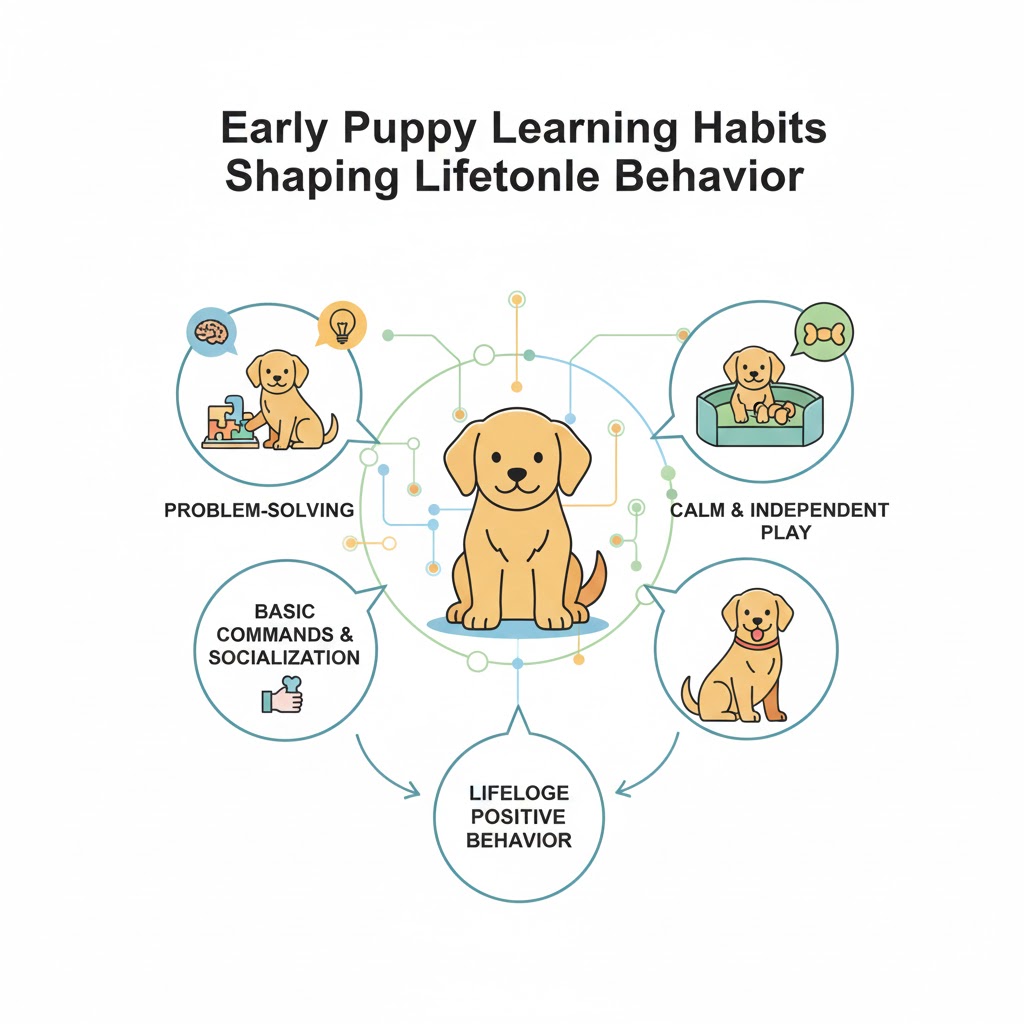
The habits puppies learn in their early months play a major role in shaping their future behavior, confidence, and personality. Building strong learning patterns early helps your puppy adapt well to family life, follow commands, and interact calmly with people and other animals. By understanding how puppies learn, owners can guide them toward becoming well-adjusted adult dogs.
Why Early Learning Matters for Puppies
Puppies experience a critical developmental phase between eight and sixteen weeks. During this period, their brains absorb new information quickly, making it the perfect time to introduce positive learning habits. Good early experiences create a foundation for obedience, social skills, and emotional balance. Many new pet parents use guidance from PetsDogPuppy to understand how early habits influence long-term behavior.
Teaching Simple Commands From the Start
Basic commands like sit, come, stay, and down can be introduced as soon as your puppy arrives home. These simple cues help build trust and communication. Short training sessions with gentle guidance help puppies understand what is expected and build confidence as they succeed. These early lessons make future training much easier.
Encouraging Positive Behavior With Rewards
Reward-based training is one of the most effective methods for teaching puppies. Using treats, praise, or play motivates them to repeat good behavior. Puppies learn that calm, polite actions bring positive outcomes. This method reduces fear and helps puppies feel secure during training.
Creating a Structured Daily Routine
Routine gives puppies a sense of stability. Regular feeding times, potty breaks, play sessions, and naps help them understand daily expectations. A routine also prevents stress and teaches them when to be active and when to rest. Structured habits make household living smoother for both the puppy and the owner.
Socialization for Healthy Emotional Development
Meeting new people, visiting different environments, and interacting with safe pets help puppies learn how to behave in the world. Controlled early exposure builds confidence, reduces fear, and encourages curiosity. Balanced socialization leads to friendlier, more comfortable adult dogs who can handle new experiences easily.
Introducing Gentle Handling and Grooming
Teaching puppies to accept grooming and handling creates lifelong comfort. Touching their paws, ears, belly, and face prepares them for vet visits and grooming appointments. Early handling prevents stress and helps puppies remain calm during medical checkups and routine care.
Setting Boundaries and House Rules Early
Puppies learn quickly when rules are consistent. Whether it’s staying off furniture, not chewing shoes, or using a specific potty area, clear boundaries teach them which behaviors are acceptable. Consistency is key and helps avoid confusion later in life.
Monitoring Progress and Adjusting Training
Every puppy learns differently. Paying attention to behavior patterns helps you adjust training techniques to support your puppy’s needs. Owners often rely on PetsDogPuppy for helpful insights that guide training based on breed, age, and temperament.
Final Thoughts
Early learning habits influence how your puppy behaves throughout life. By teaching basic commands, encouraging positive behavior, providing structure, and offering social experiences, you help shape a confident, well-mannered adult dog. The time you invest during the early months builds a strong foundation for a happy, healthy future together.