
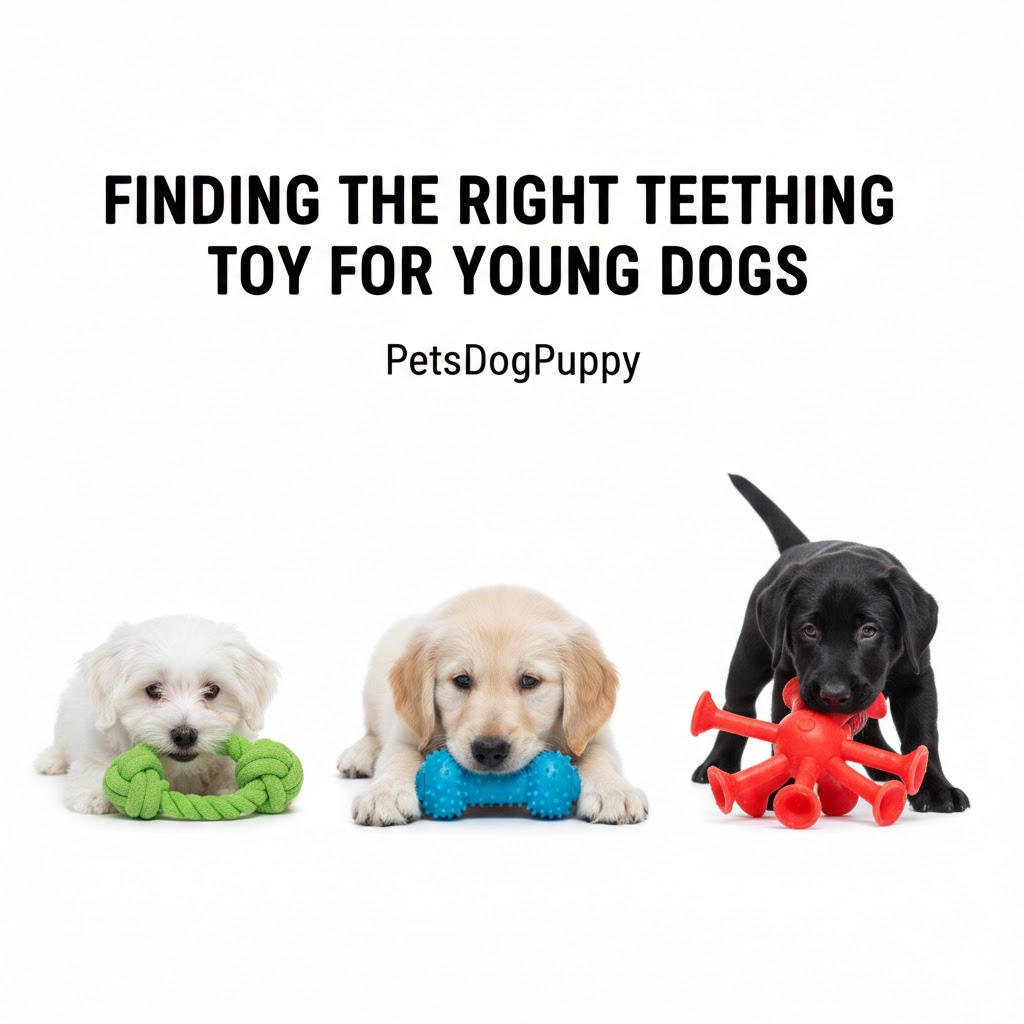
Teething is a natural but challenging stage in a young dog’s development. As new teeth emerge, gums become sore, curiosity increases, and chewing turns into a daily coping mechanism. The right teething toy can ease discomfort, protect household items, and guide healthy chewing habits. Choosing wisely matters because not all toys are equally safe, effective, or suitable for every dog. This guide walks through what to look for, what to avoid, and how to match toys to your dog’s age, size, and chewing style.
Why Teething Toys Matter During Early Development
Young dogs explore the world with their mouths. During teething, chewing relieves pressure in the gums and helps teeth erupt properly. Without appropriate outlets, dogs may chew furniture, shoes, or unsafe objects. A well-chosen teething toy redirects this instinct in a safe way, supporting dental health while preventing destructive behavior. Consistent access to suitable toys also helps build confidence and reduces frustration.
Understanding Teething Stages in Young Dogs
Teething typically begins around three to four months and can continue until about six to seven months. Early on, dogs prefer softer textures that soothe tender gums. As teeth strengthen, many transition to firmer materials. Recognizing these stages helps owners adjust toy choices over time rather than relying on a single option throughout the entire phase.
Safety First: Materials That Protect Teeth and Gums
Safety is the top priority. Look for non-toxic, BPA-free materials designed specifically for young dogs. Soft rubber and flexible nylon are popular because they provide resistance without risking cracked teeth. Avoid toys with sharp edges, brittle plastics, or unknown composites. If a toy can be easily broken into small pieces, it’s not suitable for teething.
Natural rubber often offers the best balance between durability and comfort. Some toys include textured surfaces that massage gums and reduce irritation. Always check manufacturer guidance for age and size recommendations.
Choosing the Right Size and Shape
Size matters more than many owners realize. A toy that’s too small can become a choking hazard, while one that’s too large may discourage use. Choose toys proportionate to your dog’s mouth, allowing a firm grip without forcing the jaw open unnaturally.
Shape also influences engagement. Rings, short sticks, and rounded bones are easy to hold and maneuver. Toys with ridges or grooves can provide extra gum stimulation, but ensure the edges are smooth and flexible.
Matching Toys to Chewing Style
Not all young dogs chew the same way. Some are gentle nibblers, while others apply steady pressure. Observe how your dog interacts with toys. Gentle chewers may enjoy softer rubber or fabric-reinforced options, while more determined chewers need sturdier rubber designed to withstand repeated pressure.
Avoid labeling a toy “indestructible.” No toy is truly indestructible, and overstated claims can lead to complacency. Regular inspection is essential regardless of brand or material.
Cooling and Soothing Options for Sore Gums
Chilled toys can provide temporary relief for inflamed gums. Some rubber toys are designed to be cooled in the refrigerator, offering a soothing sensation that reduces discomfort. Ensure the toy is meant for cooling and follow instructions carefully. Frozen solid toys can be too hard and may damage teeth, so moderation is key.
Simple solutions like briefly cooling a rubber toy can make a noticeable difference during peak teething days.
Interactive Teething Toys and Mental Engagement
Teething toys don’t have to be passive. Interactive designs that dispense treats or encourage problem-solving can keep young dogs engaged longer, reducing boredom and excessive chewing. Use small, appropriate treats and monitor intake to avoid overfeeding.
Mental engagement paired with physical relief creates a more satisfying chewing experience and helps develop focus and patience.
Avoiding Common Teething Toy Mistakes
Many well-meaning owners make avoidable mistakes. Giving household items like old shoes confuses dogs about what’s acceptable to chew. Offering hard bones or antlers too early can risk dental injury. Rope toys with loose strands may fray and become a swallowing hazard if not supervised.
Another mistake is providing too many options at once. A small rotation of two to three suitable toys helps maintain interest while making it easier to monitor wear and tear.
Hygiene and Maintenance of Chew Toys
Teething toys should be cleaned regularly to prevent bacteria buildup. Rubber and nylon toys can usually be washed with warm water and mild soap. Rinse thoroughly and allow them to dry completely. Inspect toys daily for cracks, tears, or loose pieces, and replace them at the first sign of damage.
Good hygiene protects oral health and ensures toys remain safe throughout the teething period.
When to Replace or Upgrade Toys
As teething progresses, your dog’s needs will change. If a toy no longer holds interest or shows signs of wear, it’s time to replace it. Gradually introduce slightly firmer options as adult teeth settle, but continue to avoid excessively hard materials.
Upgrading toys thoughtfully prevents frustration and supports a smooth transition from teething to healthy adult chewing habits.
Integrating Teething Toys Into Daily Routines
Consistency helps young dogs learn appropriate behavior. Offer teething toys during common chewing moments, such as after meals, during quiet time, or when you notice restlessness. Praise calm chewing and redirect immediately if your dog targets inappropriate items.
Many owners find success by keeping teething toys accessible in multiple rooms, making the right choice easy in the moment. Educational tips shared on PetsDogPuppy often emphasize routine-based reinforcement as a simple way to guide good habits early.
Balancing Toys With Training and Supervision
Teething toys are tools, not replacements for supervision. Especially in the early months, keep an eye on playtime to ensure safe use. Combine toy time with basic training cues like “take it” and “leave it,” which reinforce control and communication.
This balanced approach builds trust and reduces anxiety during a sensitive developmental stage.
Budget-Friendly Strategies Without Compromising Safety
Quality doesn’t always mean expensive. Many mid-range toys meet safety standards and perform well. Buying fewer, better-suited toys and rotating them saves money over time. Avoid impulse buys with vague labeling or unclear materials.
Planning purchases based on age, size, and chewing style leads to better outcomes and less waste.
Signs You’ve Chosen the Right Teething Toy
The right toy encourages focused chewing, reduces destructive behavior, and seems to calm your dog rather than overstimulate them. Gums may look less inflamed, and your dog may settle more easily after chewing sessions. These are positive indicators that your selection fits your dog’s needs.
If problems persist, reassess size, material, or texture and adjust accordingly. Reliable guidance from PetsDogPuppy can help owners troubleshoot common teething challenges and refine choices.
Final Thoughts
Finding the right teething toy for young dogs is about safety, fit, and thoughtful progression. By understanding teething stages, choosing appropriate materials, and matching toys to chewing style, owners can ease discomfort and build healthy habits that last into adulthood.
Teething is temporary, but the lessons learned during this phase shape lifelong behavior. With patience, observation, and the right tools, you can guide your dog through teething confidently and protect both their health and your home along the way.