Training a puppy doesn’t have to be stressful or complicated. With gentle methods and consistent practice, puppies learn commands, build confidence, and develop positive habits that last a lifetime. Daily training sessions strengthen your bond and help your puppy grow into a well-mannered, happy companion.
Why Gentle Training Works Best for Puppies
Puppies respond well to calm, patient, and reward-based training. Harsh corrections or loud voices can create fear, while gentle guidance builds trust and encourages your puppy to learn willingly. Many new dog owners turn to PetsDogPuppy for training tips because gentle methods lead to better long-term behavior.
Start With Simple Daily Commands
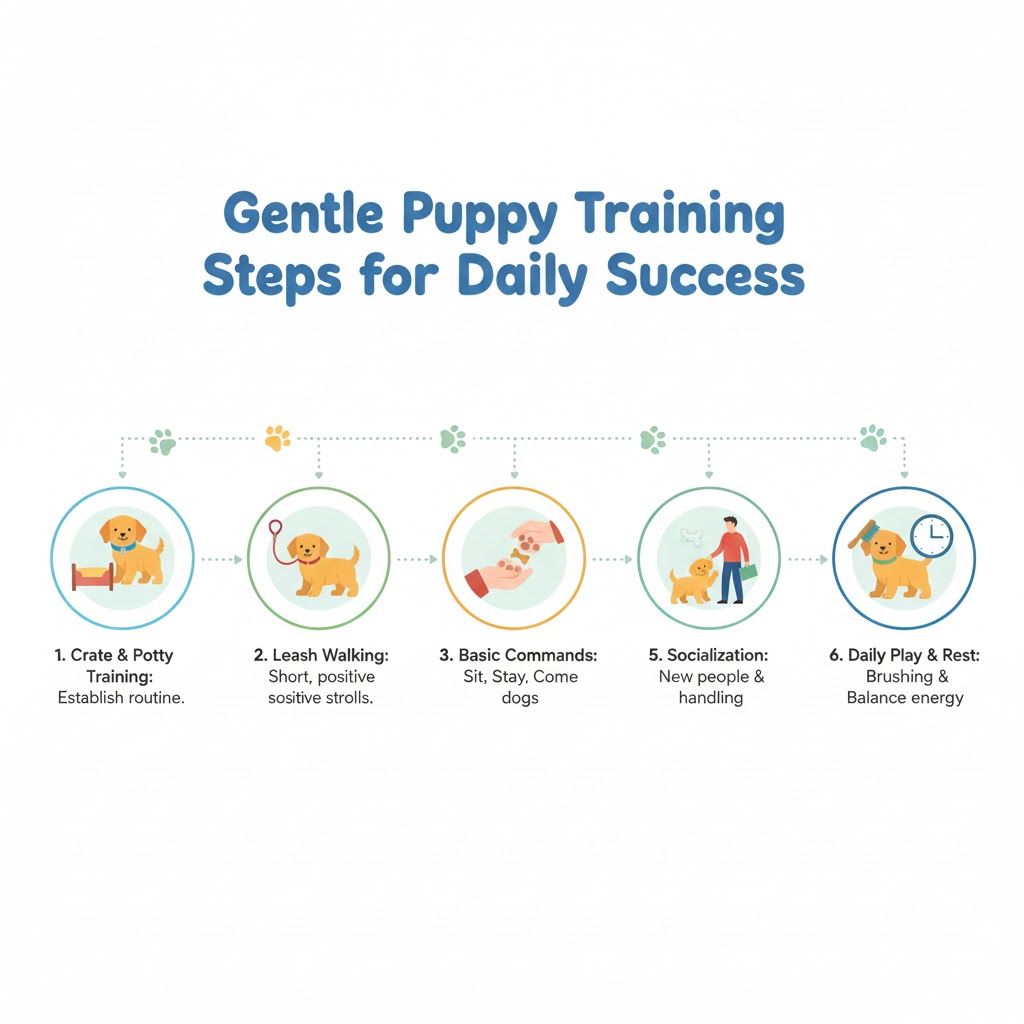
Begin training with easy commands like sit, stay, come, and down. These create a foundation for more advanced learning later. Keep sessions short and playful, using treats or praise to reward good behavior. Repeating these commands daily helps your puppy understand what you expect.
Use Positive Reinforcement Every Day
Positive reinforcement means rewarding the behaviors you want to see more often. When your puppy listens, stays calm, or follows a command, give a treat, toy, or affectionate praise. Puppies quickly learn that good behavior leads to good rewards.
Create a Consistent Daily Routine
Puppies learn best with consistency. Feeding times, potty breaks, playtime, and training sessions should follow a predictable schedule. This routine helps your puppy feel secure and makes learning easier. Even five minutes of training each day helps build strong habits.
Socialization as Part of Training
Socialization is key to raising a confident dog. Introduce your puppy to different people, gentle dogs, and new environments. These experiences teach your puppy how to behave politely and calmly in various situations. A well-socialized puppy responds better during training and avoids fear-based behaviors later.
Encourage Calm Behavior Inside the Home
Teach your puppy to settle down by rewarding quiet moments. When your puppy rests calmly or avoids jumping, offer praise. This helps them understand that peaceful behavior is valued. Puppies naturally learn self-control when guided gently.
Redirect Unwanted Behaviors
Instead of scolding, redirect negative actions toward acceptable alternatives. If your puppy chews furniture, offer a chew toy. If they jump on visitors, ask them to sit instead. Redirection teaches what to do, not just what to avoid.
Practice Patience and End Each Session Positively
Training takes time, and mistakes are normal. Stay patient and never end sessions after a failure. Always finish with a successful command and reward, so your puppy feels encouraged. This builds confidence and eagerness to learn the next day.
Track Progress and Adjust Training When Needed
Every puppy learns at a different pace. If your puppy struggles with certain commands, break them into smaller steps. Make sessions fun and engaging. Many owners find guidance on PetsDogPuppy when adjusting training techniques to match their puppy’s needs.
Final Thoughts
Gentle training helps puppies grow into well-behaved, confident dogs. With daily practice, positive reinforcement, and patient guidance, your puppy will master essential skills while enjoying the learning process. The effort you put in now creates a strong foundation for a lifetime of good behavior and companionship.