
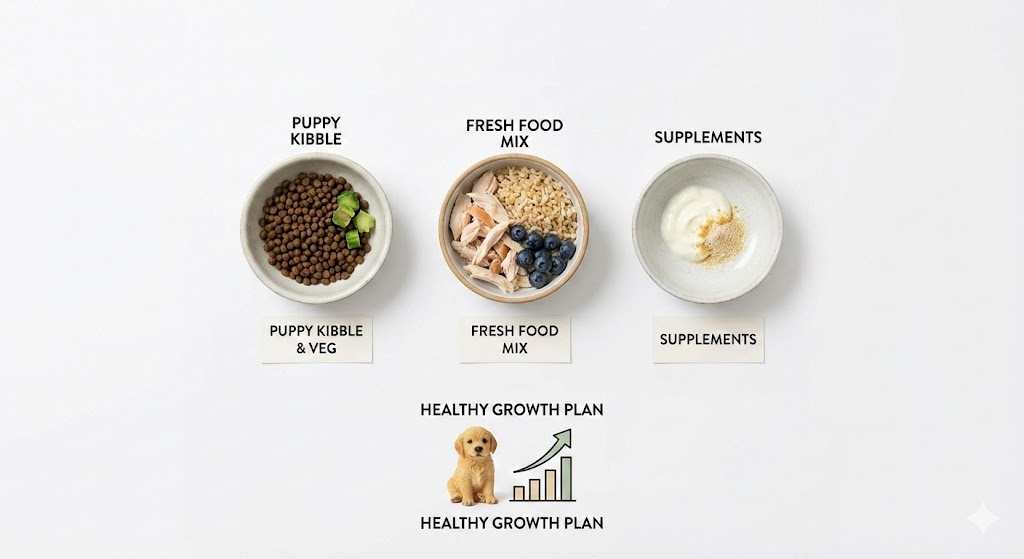
Tiny puppies grow quickly and need concentrated nutrition to support their bones, muscles, energy levels, and immunity. Because small puppies have fast metabolisms, they often require calorie-dense meals in small portions throughout the day. A healthy diet plan ensures they develop properly without digestive issues or nutrient deficiencies. This guide explains how to build a safe, balanced, and affordable diet for tiny puppies, with helpful insights often shared on PetsDogPuppy.
Understanding the Needs of Tiny Puppies
Small-breed puppies burn energy fast, which means they need food that delivers quick fuel and long-lasting nourishment. They require high protein, healthy fats, essential minerals, and the right balance of vitamins for rapid development. Their stomachs are sensitive, so nutrition must be gentle, digestible, and consistent to avoid discomfort or slow growth.
Choosing Protein-Rich Foods for Strong Muscles
Protein is the foundation of puppy growth. Tiny puppies benefit from diets containing chicken, turkey, lamb, eggs, or fish as the primary ingredients. Foods that list real meat first help build strong muscles and support healthy organ development. High-quality protein also boosts immunity and energy levels, making it essential in their daily meals.
Healthy Fats to Support Brain and Coat Development
Healthy fats like omega-3 and omega-6 play a major role in a puppy’s brain development. They also contribute to glossy coats and healthy skin. Ingredients such as fish oil, flaxseed, and chicken fat are excellent sources. Including these fats in small amounts ensures your puppy gets the right nutrients without unnecessary weight gain.
Carbohydrates for Energy and Digestive Health
Gentle carbohydrates such as sweet potatoes, brown rice, and oats give tiny puppies steady energy. These ingredients provide fiber, help digestion, and keep blood sugar levels stable. Carbohydrates should complement the protein and fat content to create a complete and balanced diet.
Feeding Frequency and Portion Control
Small puppies do best with three to four small meals per day instead of one or two large portions. Regular feeding prevents sudden drops in blood sugar and keeps energy levels stable. Monitoring portions ensures they grow at a healthy pace and prevents overfeeding, which can cause digestive problems or obesity later.
Adding Safe Homemade Foods for Extra Nutrition
Many owners supplement puppy kibble with gentle homemade foods. Small portions of boiled eggs, pumpkin, chicken, yogurt, or carrots add vitamins and improve digestion. Introducing homemade foods gradually helps avoid stomach upset. Avoid spices, salt, and anything fried to keep meals safe and healthy.
Hydration and Digestive Support
Tiny puppies must stay hydrated to support digestion and nutrient absorption. Fresh water should always be available. Some puppies benefit from probiotics or soft wet food mixed with kibble to aid digestion, especially during early growth stages.
Checking Food Labels for Quality and Safety
Good nutrition begins with good ingredients. Avoid foods with artificial colors, fillers, heavy preservatives, or vague meat by-products. Look for formulas designed specifically for small-breed puppies. Food guides on PetsDogPuppy help owners compare different brands and choose the safest options for their young pups.
Final Thoughts
A healthy diet plan is the foundation of strong and steady tiny puppy growth. With the right balance of protein, fats, carbohydrates, and natural ingredients, your puppy can develop into a healthy and active adult dog. Consistent feeding schedules, gentle homemade additions, and careful ingredient selection all contribute to long-term well-being. With informed choices, raising a small-breed puppy becomes easier and far more rewarding.