
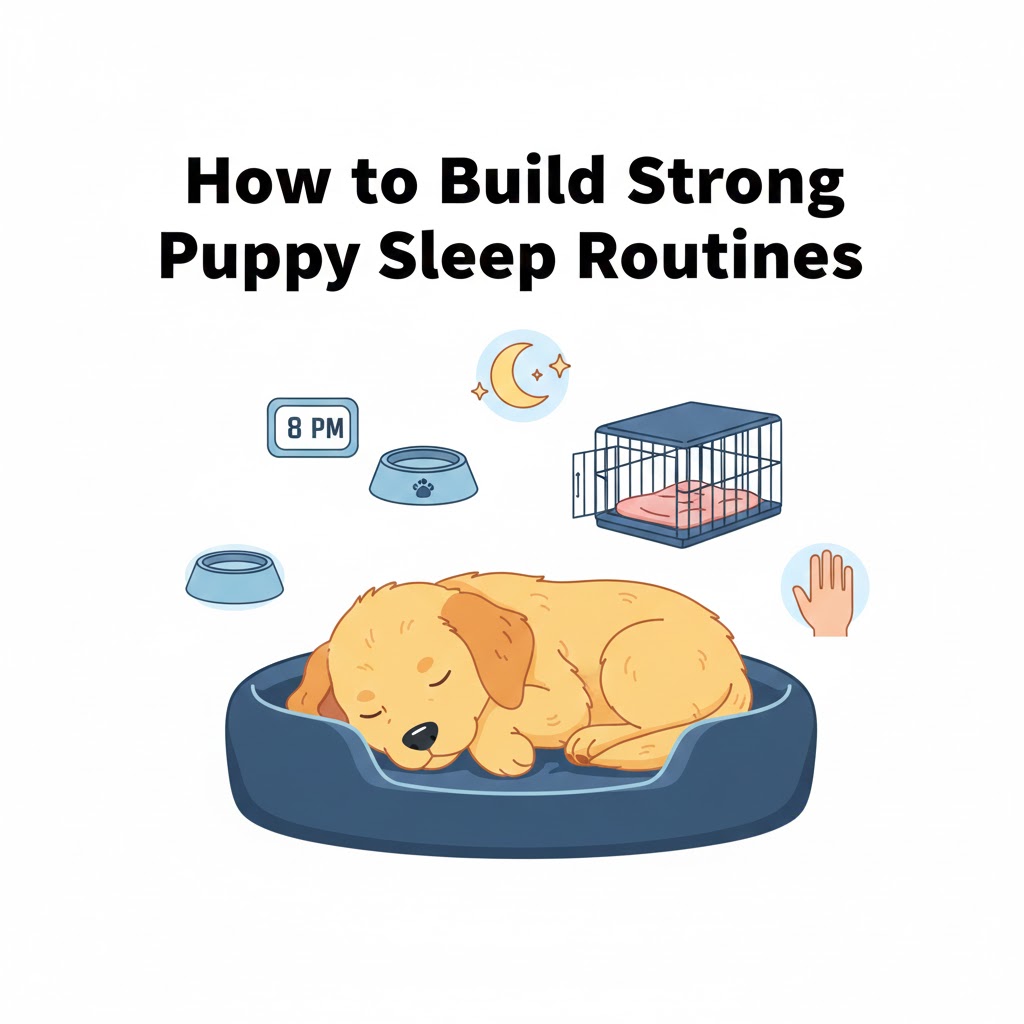
Sleep plays a major role in a puppy’s physical growth, brain development, and emotional stability. Establishing a healthy sleep routine helps your puppy feel secure, reduces anxiety, and improves training outcomes. With the right habits and environment, your puppy will learn to rest calmly and wake up refreshed each day.
Why Sleep Routines Matter for Puppies
Puppies need far more sleep than adult dogs—often 16 to 20 hours a day. Their bodies and minds grow rapidly, and proper rest supports learning, memory, and overall health. Consistent sleep schedules also reduce unwanted behaviors like whining, chewing, or restlessness. Guides from PetsDogPuppy often emphasize how structured sleep is essential for confident puppy development.
Creating a Comfortable Sleep Environment
Start by choosing a quiet, cozy place for your puppy to sleep. A crate, soft bed, or comfortable mat works well as long as it feels safe and welcoming. Keep the area away from loud noises and constant foot traffic. Many puppies sleep better with a soft blanket or a familiar toy beside them.
Establishing a Consistent Bedtime Routine
Just like children, puppies thrive on routine. Follow a predictable schedule each night—such as a short walk, a potty break, and a little quiet time before bed. A routine signals to your puppy that it’s time to settle down. Avoid high-energy play right before bedtime, as it can make it harder for them to calm down.
Teaching Your Puppy to Sleep Through the Night
Young puppies may not sleep through the night immediately because of small bladders and new surroundings. Be patient and take them for a quick nighttime potty break if needed. Keep nighttime interactions quiet and simple so they learn it’s not playtime. With consistency, most puppies adjust within a few weeks.
Using Crate Training to Support Sleep
Crates help puppies feel secure and reduce nighttime wandering. Make the crate comfortable with bedding and ensure it’s the right size—not too large, not too small. The crate should never be used for punishment. Positive crate training helps puppies associate it with rest and safety.
Encouraging Healthy Daytime Nap Patterns
Daytime naps are essential for puppy growth. Avoid waking your puppy unnecessarily during these naps, as interrupted rest can affect behavior and learning. However, try not to let your puppy sleep for too long right before bedtime to prevent nighttime restlessness.
Managing Separation Anxiety at Bedtime
Some puppies may cry or whine at night as they adjust to being away from their litter or owner. A soft light, calming sound, or placing the bed near your room can help. Providing reassurance without reinforcing crying teaches your puppy that bedtime is safe and peaceful. Many owners rely on tips from PetsDogPuppy to handle these early challenges effectively.
Final Thoughts
Building strong sleep routines helps puppies grow into calm, balanced adult dogs. With a consistent schedule, a comfortable sleep space, and gentle nighttime habits, your puppy will learn to rest easily and confidently. Investing time in good sleep routines early creates a happier, healthier future for your growing companion.