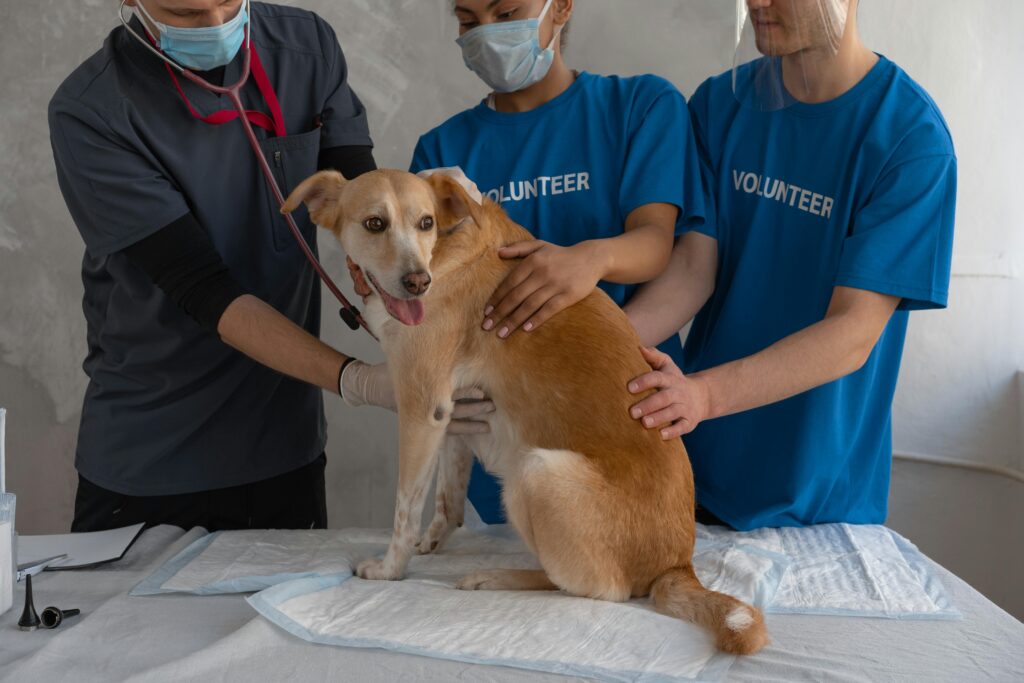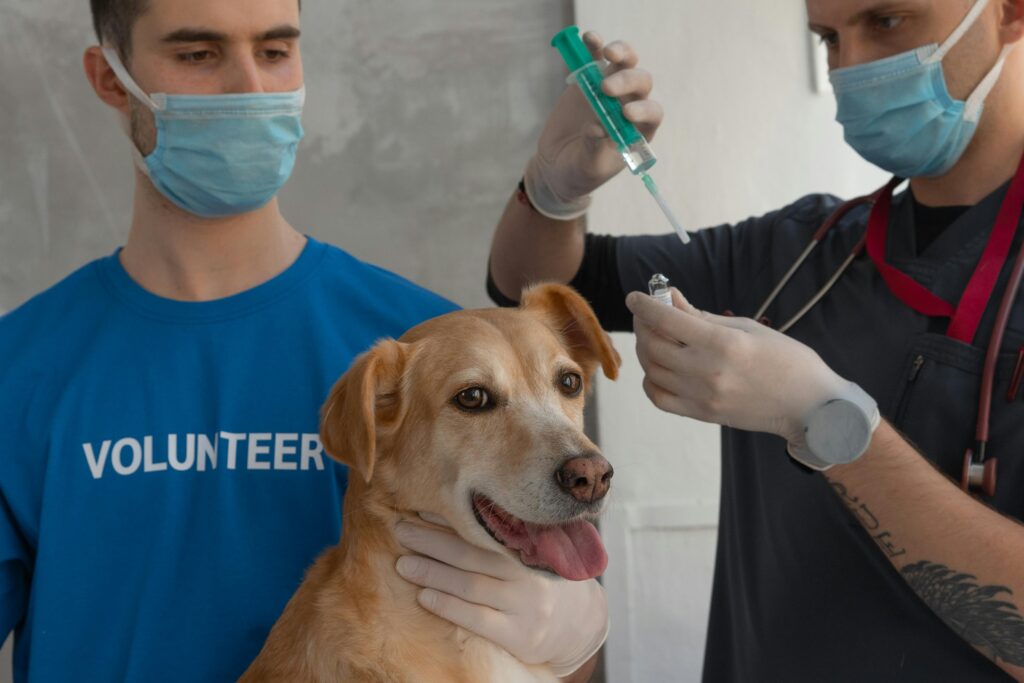

Choosing the right veterinarian is one of the most important decisions you’ll make as a puppy owner. A good vet ensures your puppy receives proper vaccinations, preventive care, nutrition guidance, and support throughout every stage of growth. The right clinic can also give you peace of mind, knowing your puppy is in reliable hands. Here are key factors to consider when selecting the best vet for your new companion.
Look for a Vet With Puppy Care Experience
Puppies have unique needs, from vaccinations to early health screenings. Choose a veterinarian who has experience working with young dogs and understands common puppy issues such as digestive sensitivity, growth changes, and early behavioral development. An experienced puppy-friendly vet can guide you during the most important stages of your dog’s life.
Check the Clinic’s Location and Hours
Convenience matters when it comes to vet visits. Look for a clinic located near your home to make regular checkups and emergency visits easier. Also consider their working hours, weekend availability, and whether they offer after-hours support. A conveniently located vet reduces stress for both you and your puppy.
Evaluate the Clinic’s Environment
A clean, organized, and calm clinic environment reflects professionalism and good care standards. When you visit, observe how the staff handles pets, how the waiting area is maintained, and whether the clinic has separate spaces for different types of animals. A well-run clinic helps make your puppy feel more comfortable during visits.
Ask About Available Services
Not all vets offer the same services. Look for a clinic that provides essential care such as vaccinations, dental care, microchipping, nutritional guidance, diagnostics, and emergency support. Having all services under one roof makes it easier to manage your puppy’s health as they grow.
Review Credentials and Certifications
Check whether the veterinarian is licensed and has additional certifications or training in specialized care. Vets with advanced knowledge in areas like dermatology, nutrition, or surgery may offer more comprehensive support, especially if your puppy has special needs.
Consider Communication and Approachability
A good vet should listen to your concerns, answer questions clearly, and communicate in a friendly manner. Puppies often require close monitoring, and you’ll need a vet who can guide you through diet changes, vaccination schedules, and early behavior issues. Effective communication builds trust and confidence.
Check Online Reviews and Recommendations
Online reviews can provide valuable insights into how the clinic treats pets and interacts with clients. Ask neighbors, friends, breeders, or trainers for recommendations as well. Personal experiences can help you choose a vet with a positive track record.
Understand Costs and Payment Options
Vet prices vary depending on services and location. Ask about consultation fees, vaccination costs, and emergency rates. Some clinics offer membership plans or wellness packages that help you manage routine care more affordably. Clear pricing helps you plan your puppy’s healthcare without surprises.
Meet the Vet Before Finalizing
A quick introduction visit allows you to see how your puppy responds to the vet. A confident, calm, and gentle approach indicates a good fit. This also gives you a chance to ask questions, understand their care philosophy, and evaluate whether the clinic feels right for you.
Conclusion
Choosing the right vet ensures your puppy receives proper care, early guidance, and long-term health support. By evaluating experience, environment, services, communication, and convenience, you can find a vet who truly understands your puppy’s needs. The right partnership between you and your veterinarian sets the foundation for a healthy and happy life for your furry companion. PetsDogPuppy