
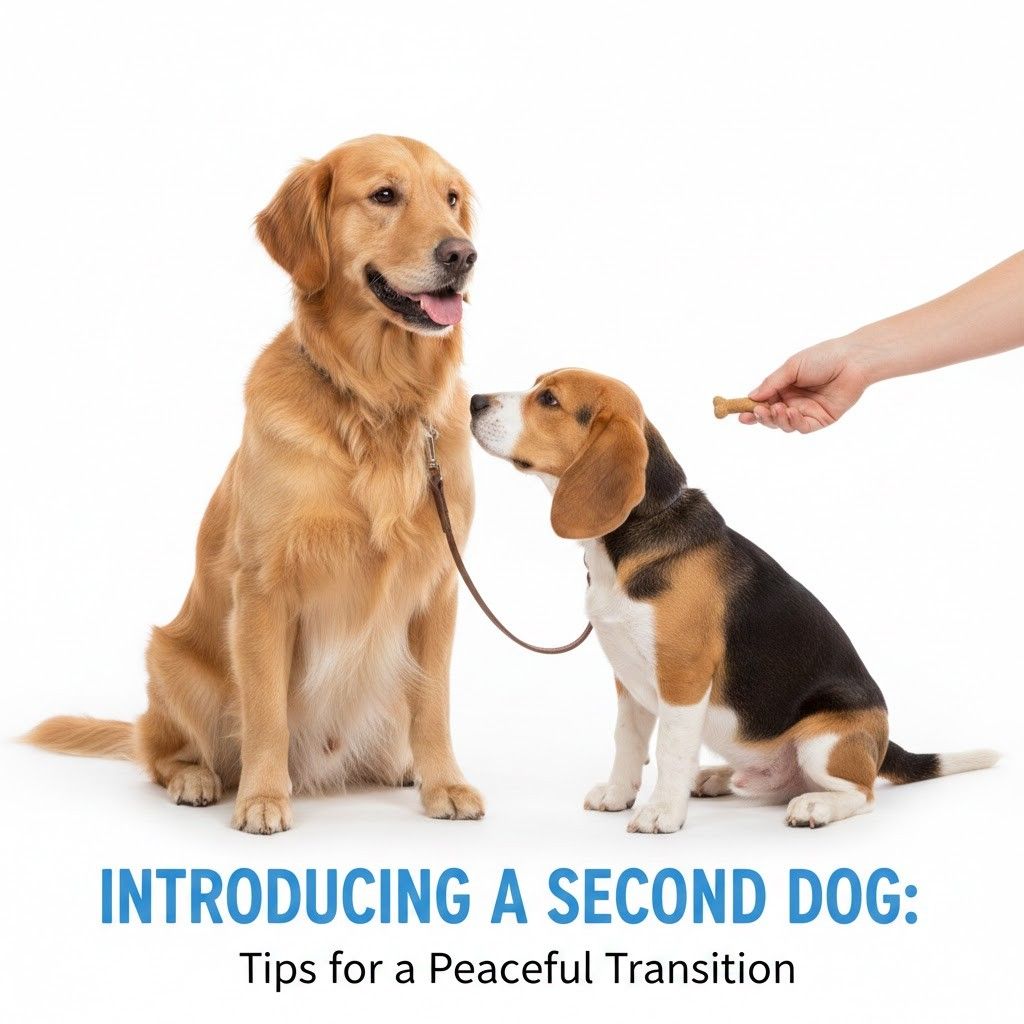
Bringing home a second dog can be exciting, but it’s also a major adjustment for your current pet. Whether you’re adopting a puppy or another adult dog, a smooth introduction is key to preventing tension, guarding behavior, or stress between the dogs. With the right approach, you can help both dogs feel comfortable and set the stage for a happy, balanced home.
1. Choose the Right Match
Before bringing another dog home, consider how their personality will mesh with your current dog:
- Age: A young, energetic puppy might overwhelm a senior dog.
- Size: Significant size differences can lead to unintentional injuries.
- Temperament: A calm dog may not tolerate a dominant or highly energetic new companion.
Meet potential dogs with your current dog beforehand, if possible, through a neutral meet-and-greet.
2. Introduce on Neutral Ground
Never bring a new dog straight into your home without an introduction. Instead:
- Arrange the first meeting in a neutral place like a park or open field.
- Keep both dogs on leashes, handled by separate people.
- Walk them parallel at a distance, then gradually allow closer interaction.
- Avoid face-to-face contact initially—side-by-side is less confrontational.
Look for relaxed body language, tail wags, and polite sniffing as positive signs.
3. Take It Slow at Home
Once both dogs appear comfortable with each other, it’s time to go home. Keep the atmosphere calm and controlled:
- Remove toys, food bowls, and high-value items to prevent resource guarding.
- Keep the new dog in a separate area or crate initially.
- Use baby gates or playpens to give both dogs space to adjust.
- Supervise all interactions closely for the first few days.
Allow them to coexist peacefully before expecting them to share beds, toys, or food areas.
4. Maintain Individual Routines
To reduce jealousy and stress, continue to:
- Feed dogs separately
- Give one-on-one attention and training
- Maintain walking and play routines for your current dog
This reassures your first dog that they haven’t been “replaced.”
5. Watch for Warning Signs
Some tension is normal, but pay attention to signs of real trouble:
- Growling, snarling, stiff posture
- Guarding food, space, or people
- Avoidance or withdrawal
If aggression escalates or continues beyond a few days, consult a professional dog trainer or behaviorist.
6. Encourage Positive Associations
Reinforce good behavior and bonding by:
- Rewarding calm behavior around each other
- Going on shared walks or training sessions
- Providing treats and praise for cooperative interactions
Positive reinforcement helps both dogs associate each other with safety and fun.
7. Be Patient
Some dogs bond instantly, while others may take weeks or even months to feel comfortable. Keep expectations realistic and focus on building trust over time.
Final Thoughts
Adding a second dog to your household can enrich your life and give your current pet a lifelong companion—but only if the introduction is handled with care. By planning ahead, taking things slowly, and focusing on safety and structure, you can create a peaceful transition that benefits everyone. PetsDogPuppy