
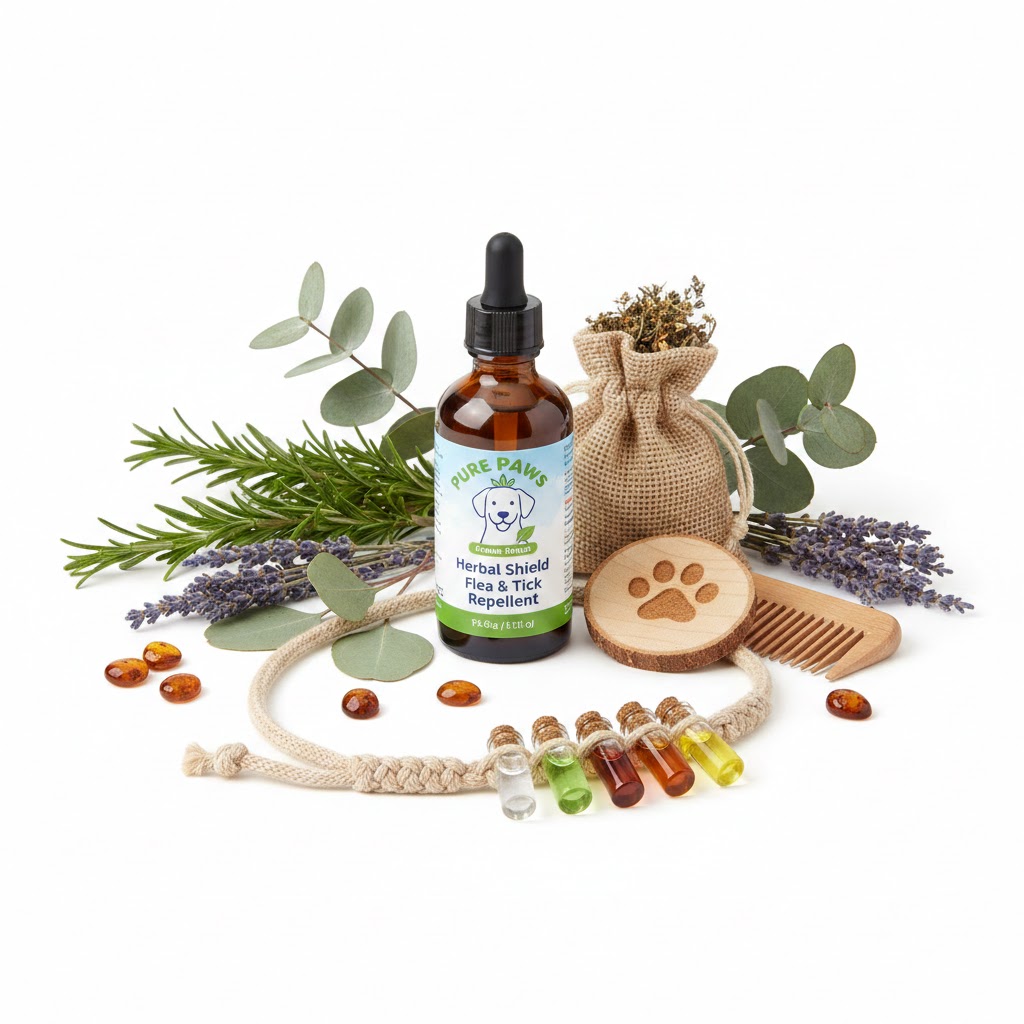
Fleas and ticks can cause serious problems for your dog—from skin irritation to diseases like Lyme or tapeworms. While chemical treatments are common, many dog owners are turning to natural alternatives for prevention. These methods can be safer for dogs with sensitivities and also reduce chemical exposure in your home.
Below are the most effective natural ways to help prevent fleas and ticks on your dog.
1. Apple Cider Vinegar Spray
Apple cider vinegar (ACV) helps alter your dog’s skin pH, making it less attractive to parasites.
How to use:
Mix equal parts of apple cider vinegar and water in a spray bottle. Lightly mist your dog’s coat, avoiding the eyes and any open wounds. This spray can be used before walks or time outdoors. Some owners also add a small amount of ACV to their dog’s drinking water to boost internal resistance, but always consult a veterinarian before doing so.
2. Essential Oils (Used with Caution)
Certain essential oils have natural insect-repelling properties. Popular choices include lavender, eucalyptus, lemongrass, cedarwood, and peppermint.
How to use:
Always dilute essential oils with a carrier oil, such as coconut oil. Apply sparingly, and conduct a patch test first. Avoid using essential oils on puppies, pregnant dogs, or in homes with cats, as some oils can be harmful or toxic.
3. Diatomaceous Earth (Food Grade)
Diatomaceous earth is a fine, natural powder made from fossilized algae. It kills fleas and ticks by dehydrating their exoskeletons.
How to use:
Lightly dust your dog’s coat and bedding with food-grade diatomaceous earth, being careful to avoid inhalation. You can also sprinkle it on carpets or in the yard, leave it for a few hours, then vacuum thoroughly. Never use industrial-grade versions.
4. Regular Grooming and Bathing
Keeping your dog clean helps prevent infestations and keeps fleas and ticks from settling in.
Bathe your dog with a natural flea-repellent shampoo containing ingredients like neem oil, citrus extracts, or oatmeal. Use a flea comb regularly to catch adult fleas and remove eggs. After outdoor play or walks, inspect your dog’s skin, especially in warm seasons or wooded areas.
5. Herbal Flea Collars
Herbal flea collars are infused with essential oils and plant-based compounds. They offer a gentle, long-term solution for pest control without using synthetic chemicals.
Look for collars that contain ingredients such as cedarwood, citronella, geraniol, or lemon eucalyptus. Replace the collar as directed, usually every few months.
6. Healthy Diet and Supplements
A strong immune system supports your dog’s natural defenses against pests.
Feed a balanced, nutrient-rich diet high in omega-3 fatty acids and essential vitamins. Some dog owners also use brewer’s yeast with garlic in moderation, which is believed to make dogs less appealing to fleas. Always check with your veterinarian before introducing any supplements.
7. Natural Yard and Home Treatment
Since fleas and ticks also thrive in the environment, treating your home and yard is key.
Use beneficial nematodes in your yard—these microscopic organisms eat flea larvae. Sprinkle food-grade diatomaceous earth in areas where your dog sleeps or plays. Wash your dog’s bedding in hot water weekly, vacuum carpets often, and empty the vacuum canister immediately after use.
Final Thoughts
Natural flea and tick prevention is effective when applied consistently and combined with proper hygiene and environmental control. While chemical treatments may be necessary in high-risk areas or during outbreaks, natural methods are a great option for dogs with sensitivities and for owners who prefer a holistic approach. As always, consult your veterinarian to ensure that any prevention method is safe and suitable for your dog’s needs. PetsDogPuppy