
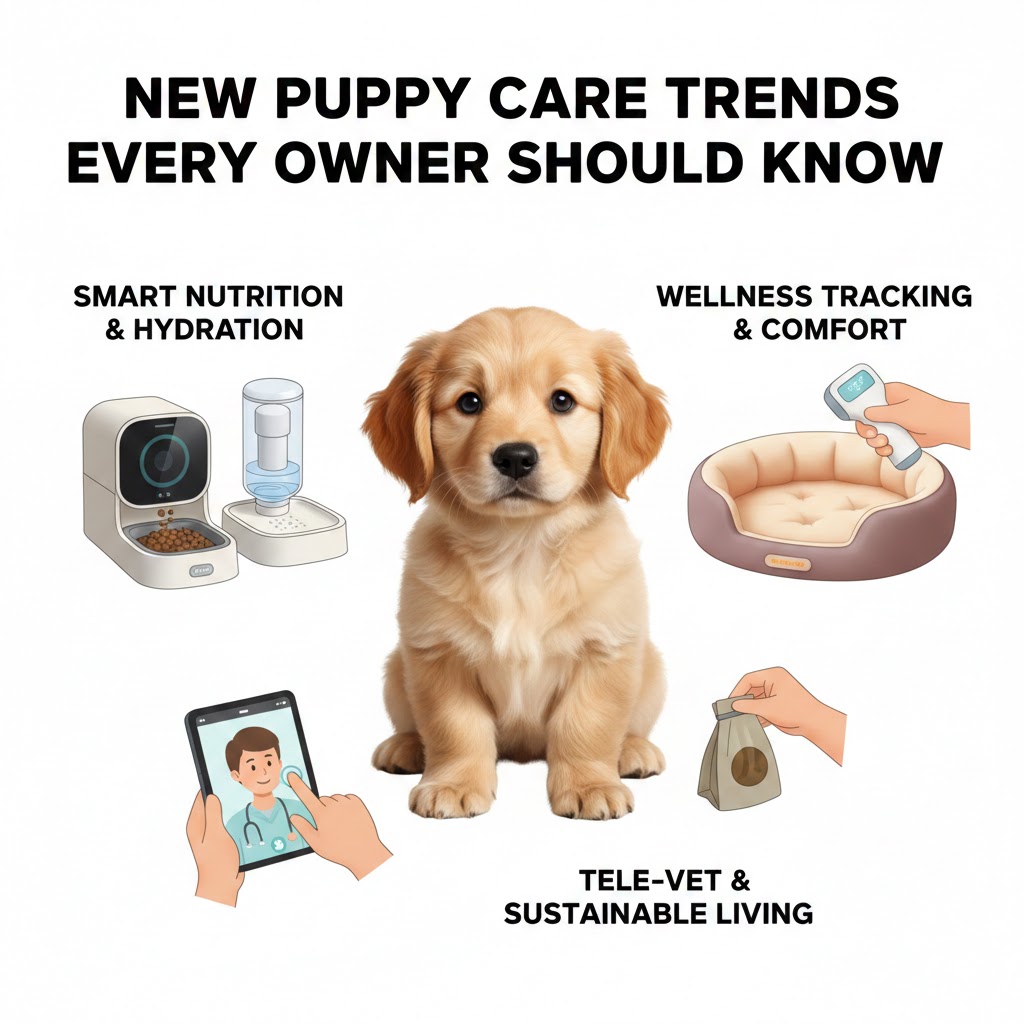
Puppy care is evolving faster than ever. Modern dog owners are more informed, more connected, and more focused on long-term health and behavior than previous generations. With access to expert advice, research-backed practices, and real-time community feedback, puppy care has shifted from basic feeding and training to a more holistic, lifestyle-based approach. Understanding current puppy care trends helps owners raise healthier, happier, and better-adjusted dogs.
This article explores the most important new puppy care trends every owner should know and how these changes are shaping responsible dog ownership today.
Science-Based Puppy Training Is Replacing Outdated Methods
One of the biggest shifts in puppy care is the move away from punishment-based training. Modern trainers now emphasize positive reinforcement, emotional awareness, and communication rather than dominance or correction.
Science-backed training focuses on rewarding desired behaviors, managing environments, and understanding canine psychology. Owners are learning that fear-based techniques can cause long-term anxiety and behavioral issues, while reward-based methods build trust and faster learning.
This trend has also increased demand for certified trainers, puppy behaviorists, and evidence-based training programs.
Early Socialization Is Treated As Essential Healthcare
Socialization is no longer seen as optional or something to figure out later. Today’s puppy care emphasizes early, controlled exposure to people, sounds, environments, and other animals during critical development windows.
Owners are introducing puppies to new experiences safely and gradually, focusing on confidence rather than overwhelm. Puppy classes, structured play sessions, and exposure walks are now considered as important as vaccinations.
Proper early socialization reduces fear, reactivity, and aggression later in life, making it one of the most valuable investments in puppy development.
Nutrition Is Becoming More Personalized
Generic feeding advice is being replaced by tailored nutrition plans. Owners are paying closer attention to ingredient quality, portion control, breed-specific needs, and life-stage nutrition.
Subscription-based pet food, fresh meal delivery, and limited-ingredient diets are growing in popularity. These options allow owners to show consistency, track changes, and adjust meals based on growth, allergies, or digestive sensitivity.
There is also increasing awareness around avoiding overfeeding, which is a common issue in growing puppies and can impact joint health and lifespan.
Mental Stimulation Is Valued As Much As Physical Exercise
Modern puppy care recognizes that mental enrichment is just as important as physical activity. Puzzle toys, scent games, training challenges, and problem-solving tasks are now part of daily routines.
Owners are learning that boredom often causes destructive behaviors, excessive barking, and frustration. Instead of increasing exercise alone, many are incorporating short mental workouts that help puppies relax and focus.
This shift has helped reduce overstimulation and burnout, especially in high-energy breeds.
Structured Daily Routines Are Gaining Popularity
Consistency has become a core principle in puppy care. Instead of flexible or reactive schedules, owners are creating predictable daily routines that include meals, training, play, rest, and quiet time.
Structured routines help puppies understand expectations, reduce anxiety, and develop self-regulation. Puppies raised with consistent patterns often adapt faster to training and show fewer stress-related behaviors.
This trend reflects a deeper understanding of how structure supports emotional stability in young dogs.
Crate Training Is Being Reframed As A Safety Tool
Crate training is no longer promoted as confinement or discipline. Instead, it is increasingly viewed as a safety and comfort tool when introduced correctly.
Owners are using crates to create calm spaces for rest, travel safety, recovery after surgery, and household management. Emphasis is placed on positive crate associations rather than forced confinement.
This change in perspective has helped reduce guilt around crate use and improved puppy independence and relaxation skills.
Technology Is Influencing Puppy Care Decisions
Technology now plays a role in everyday puppy care. From GPS collars and activity trackers to training apps and feeding reminders, dog owners are using digital tools to monitor and improve care.
Online puppy training programs, virtual vet consultations, and behavior tracking apps allow owners to access expert guidance without location barriers. This trend has expanded support for first-time owners and those in remote areas.
Access to credible digital resources has also reduced reliance on outdated advice and misinformation.
Health Monitoring Starts Earlier Than Before
Preventive care has become a major focus. Instead of waiting for health issues to appear, owners are prioritizing early screenings, dental awareness, joint protection, and weight management.
Regular vet visits, parasite prevention, and monitoring growth patterns are now standard practice for many puppy owners. There is also increased awareness of genetic testing and breed-related health risks.
This proactive approach leads to early intervention and better long-term outcomes.
Ethical Breeding And Adoption Awareness Is Growing
More owners are researching breeders carefully or choosing ethical adoption routes. There is growing awareness of puppy mills, irresponsible breeding, and the importance of health testing and socialization before puppies go to new homes.
Transparency, breeder accountability, and rescue education are becoming mainstream topics in puppy care discussions. This shift supports healthier puppies and more informed ownership decisions.
Emotional Well-Being Is Recognized As Part Of Puppy Health
Modern puppy care extends beyond physical needs. Emotional well-being, confidence building, and stress management are now considered essential.
Owners are learning to recognize fear signals, overstimulation, and anxiety rather than labeling behaviors as stubborn or bad. Gentle exposure, patience, and trust-building are replacing force and frustration.
This emotional awareness strengthens the bond between puppies and their owners and reduces long-term behavior challenges.
Urban Puppy Care Is Influencing New Practices
With more puppies being raised in apartments and cities, care trends are adapting. Owners are focusing on leash manners, noise desensitization, indoor enrichment, and controlled outdoor exposure.
Urban puppy care emphasizes calm behavior, adaptability, and impulse control rather than constant activity. These skills help puppies thrive in busy environments without becoming overwhelmed.
Community Learning Is Shaping Better Owners
Dog owners are increasingly turning to trusted platforms and communities for guidance. Blogs, expert-led resources, and experience-based education help owners avoid common mistakes and stay updated with best practices.
Platforms like PetsDogPuppy play an important role in helping owners understand modern puppy care approaches without confusion or misinformation.
Long-Term Thinking Is Replacing Quick Fixes
One of the most important trends is a mindset shift. Owners are thinking beyond short-term convenience and focusing on long-term outcomes. Decisions about training, feeding, socialization, and routines are made with adulthood in mind.
This approach reduces rehoming, improves behavior consistency, and leads to more fulfilling relationships between dogs and humans.
Why Staying Updated On Puppy Care Trends Matters
Puppy care trends are not about following fads. They reflect growing knowledge, better research, and deeper respect for canine needs. Owners who stay informed are better equipped to prevent issues rather than react to them.
Reliable guidance from sources such as PetsDogPuppy helps owners make confident decisions rooted in understanding rather than guesswork.
Final Thoughts On Modern Puppy Care
New puppy care trends highlight a shift toward thoughtful, structured, and compassionate ownership. From training and nutrition to emotional health and technology, modern puppy care is more comprehensive than ever.
By staying informed and adapting to evidence-based practices, owners can give their puppies the best possible start in life. Raising a puppy today is not just about care, it is about commitment, education, and long-term responsibility.