
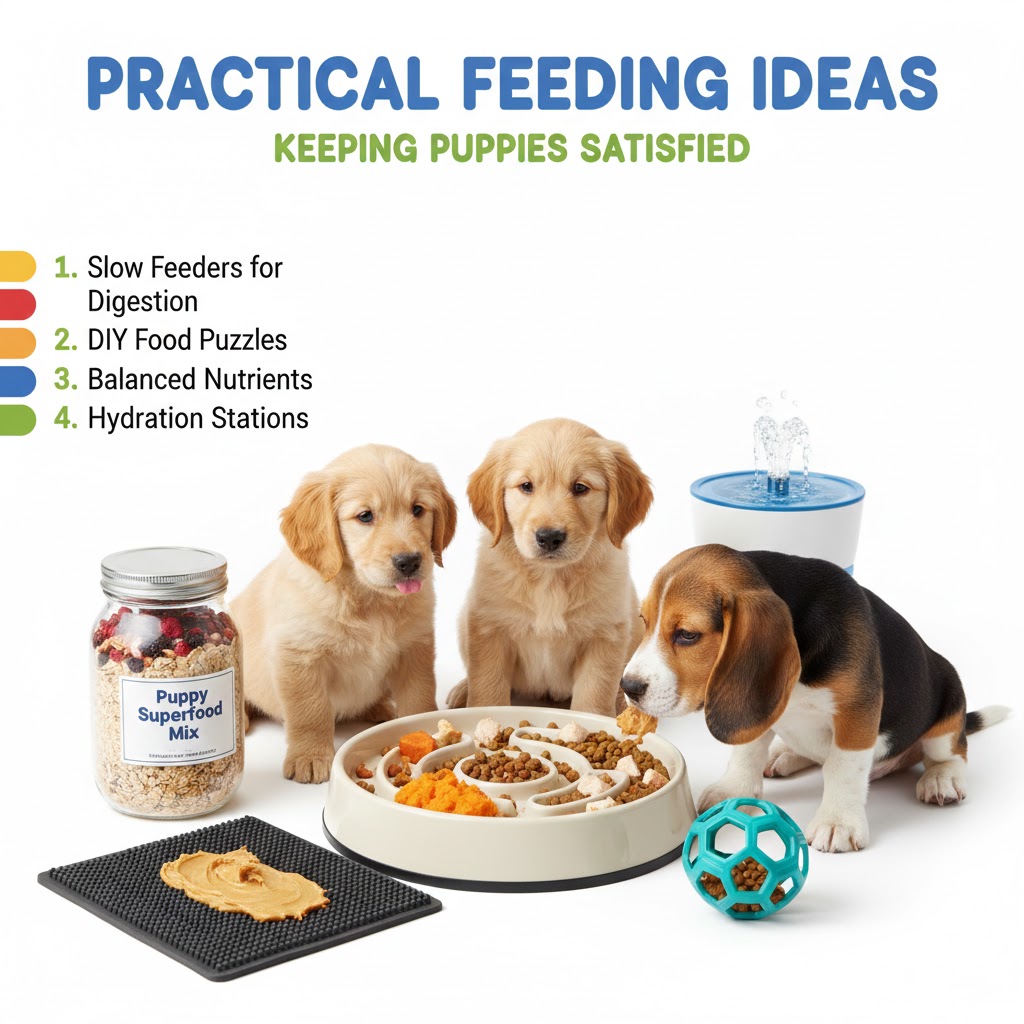
Feeding a growing puppy doesn’t have to be complicated. With the right combination of nutritious ingredients, consistent routines, and smart portion control, you can keep your puppy healthy, full, and energized throughout the day. Puppies need meals that support rapid growth, strong bones, healthy digestion, and steady development. These practical feeding ideas help new owners create a satisfying and balanced diet.
Choosing the Right Puppy Food Formula
A good diet begins with choosing a high-quality puppy formula. Look for foods that list real meat as the main ingredient, include essential fats for energy, and contain balanced vitamins and minerals. Puppy formulas are specially designed to support early growth phases. Many pet owners rely on guidance from PetsDogPuppy to compare the safest and most nutritious options.
Creating a Consistent Feeding Schedule
A set feeding routine helps puppies feel secure and improves digestion. Most puppies need three to four meals per day depending on their age and size. Spacing meals evenly prevents overeating and keeps energy levels steady. Consistency in timing also reduces begging and helps with training.
Mixing Kibble With Healthy Additions
Enhancing commercial puppy food with simple, safe additions makes meals more exciting and nutritious. Popular options include:
• Boiled chicken or turkey
• Plain yogurt for probiotics
• Boiled eggs for extra protein
• Pumpkin for digestion support
• Soft-cooked vegetables like carrots or peas
These additions should be given in small amounts to avoid digestive discomfort.
Offering Size-Appropriate Portions
Understanding portion size is essential. Too little food leads to low energy, while too much can cause weight gain or tummy issues. Follow feeding guidelines on puppy food labels and adjust based on activity level and growth. Track your puppy’s weight regularly to ensure they are developing at a healthy pace.
Providing Healthy Treats in Moderation
Treats are useful for training, but they should not replace balanced meals. Choose soft, bite-sized treats made specifically for puppies. Healthy alternatives such as small apple pieces, baby carrots, or tiny bits of cooked meat can also be used. Keep treats under ten percent of daily calorie intake.
Encouraging Slow and Comfortable Eating
Some puppies eat too quickly, which can cause choking or digestive upset. Slow-feeder bowls, puzzle feeders, or spreading food on a flat plate can help control the pace. Slower eating improves digestion and reduces the risk of overeating.
Ensuring Clean Water and Proper Hydration
Hydration is just as important as food. Fresh water should always be available, especially for active puppies. Refill the water bowl daily and clean it to prevent bacteria buildup. Good hydration supports metabolism, temperature control, and overall growth.
Paying Attention to Digestive Health
Monitor your puppy’s stool, appetite, and behavior after meals. Soft stool, vomiting, or bloating may signal that the food doesn’t suit them. Gradual food transitions help avoid digestive discomfort. Tips from PetsDogPuppy often guide owners in selecting safer foods for sensitive puppies.
Final Thoughts
Keeping a puppy satisfied is all about providing balanced meals, predictable routines, and nutritious additions. With proper feeding habits, healthy options, and close attention to your puppy’s needs, you ensure steady growth and a happy, energetic companion. Practical feeding ideas make daily care easier and help your puppy thrive.