Feeding a puppy may seem simple, but many new owners unintentionally make mistakes that affect their puppy’s growth, digestion, and long-term health. Understanding these common errors can help you build a healthier routine and ensure your puppy develops strong bones, a healthy weight, and a stable appetite. This guide highlights the most frequent feeding mistakes and how you can avoid them.
Feeding Puppies Too Much or Too Little
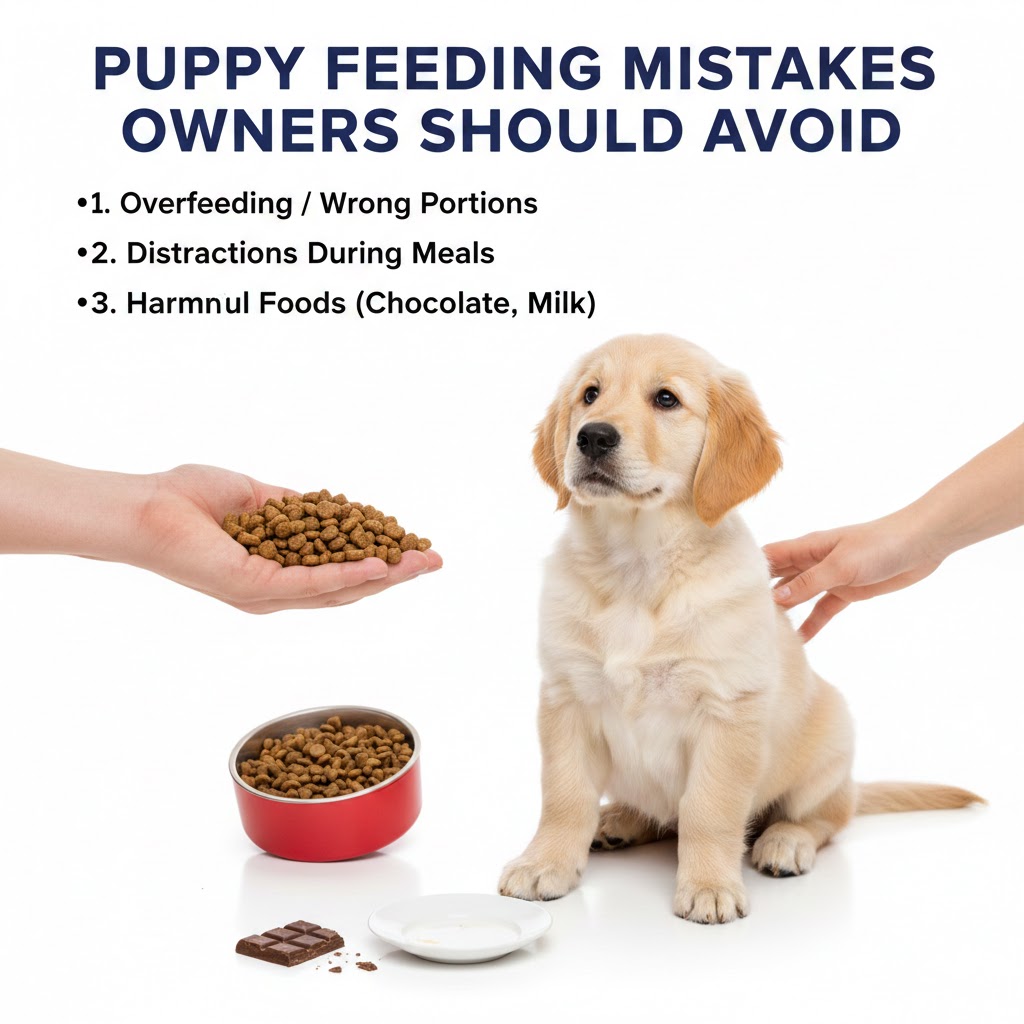
Portion size matters more than most owners realize. Overfeeding leads to rapid weight gain, joint stress, and digestive issues. Underfeeding causes weakness, slow growth, and low energy. Puppies need balanced, measured meals based on age, breed, and activity level. Knowing the right portion helps maintain steady growth without unnecessary health problems.
Choosing Food Not Meant for Puppies
Puppy formulas are specially created with higher protein, healthy fats, and essential vitamins. Feeding adult dog food too early can result in nutritional gaps. Always choose puppy-specific food during the first year of life. Many owners use guides from PetsDogPuppy to compare reliable options and pick foods that support strong development.
Frequently Changing Puppy Food Without Transitioning
Sudden food changes are a common mistake that leads to vomiting, loose stools, or refusal to eat. When switching brands or types, always transition slowly over 5–7 days. Gradually increasing the new food while decreasing the old one helps your puppy adjust without upsetting their stomach.
Feeding Human Food That Isn’t Safe
Not all human food is safe for dogs. Foods like chocolate, onions, grapes, spicy dishes, and salty snacks can be dangerous. Even healthy items like cooked chicken should be plain and unseasoned. Always confirm what is safe before sharing meals, especially with curious puppies.
Ignoring the Importance of Feeding Schedules
Puppies thrive on routine. Free-feeding or giving food at random times can cause inconsistent digestion and overeating. Instead, feed structured meals at the same times daily. Most puppies do well with three to four evenly spaced meals, helping maintain stable energy levels.
Giving Treats Too Often Throughout the Day
Treats should not make up more than 10 percent of daily intake. Overfeeding treats leads to weight gain and encourages picky eating. Reward your puppy wisely and choose healthy options like small training treats or natural snacks.
Not Providing Enough Fresh Water
Hydration is essential for digestion, temperature control, and overall health. Puppies can become dehydrated quickly, especially after play. Always keep clean water available, and wash bowls regularly to prevent bacteria buildup.
Using Bowls That Are Too High or Too Low
Feeding bowls that aren’t sized properly can affect a puppy’s posture and eating comfort. Small breeds need shallow bowls, while larger breeds may need slightly elevated ones. Proper bowl placement reduces strain and supports healthier eating habits.
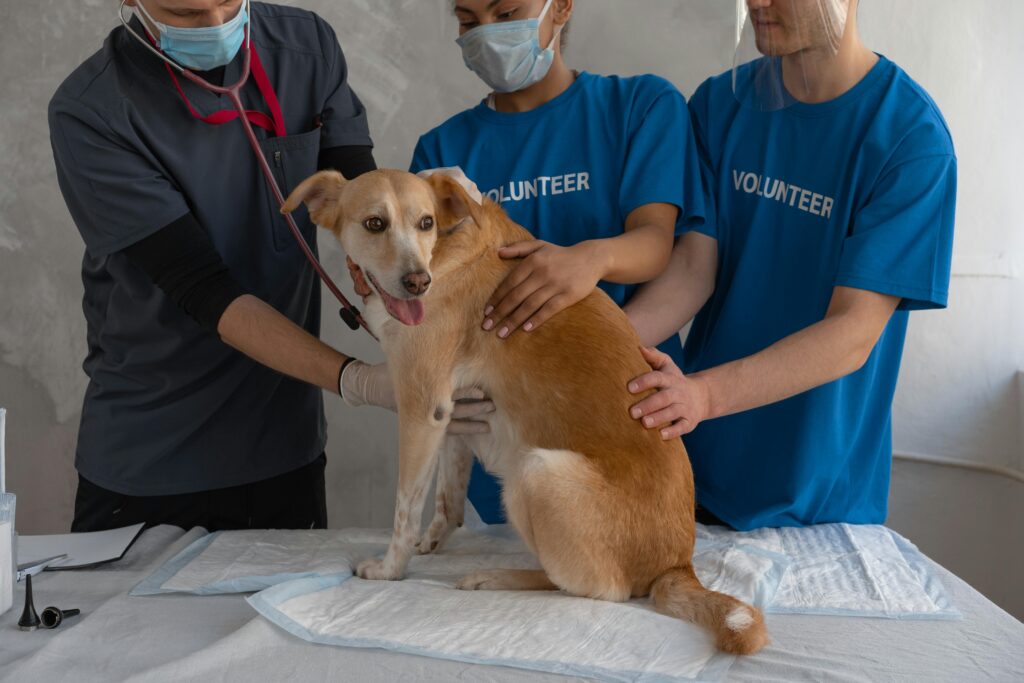
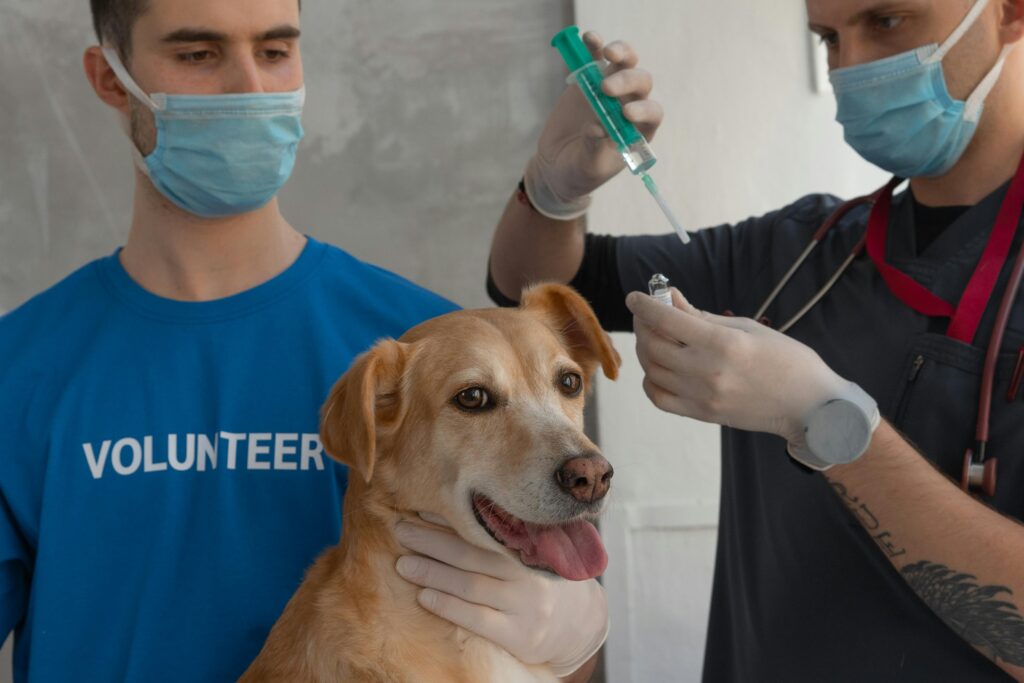
Skipping Vet Advice on Puppy Nutrition
Every puppy has unique needs based on breed, growth rate, and health conditions. Regular checkups help identify if your puppy needs special diets, supplements, or feeding adjustments. Trusted resources like PetsDogPuppy also guide owners with clear, beginner-friendly information to support healthy feeding routines.
Final Thoughts
Understanding and avoiding common feeding mistakes ensures your puppy grows strong, healthy, and energetic. With proper portions, safe food choices, consistent routines, and regular vet guidance, you can build a solid nutritional foundation that supports your puppy throughout its life. If you need more blog content or topic ideas, just tell me your next title.