
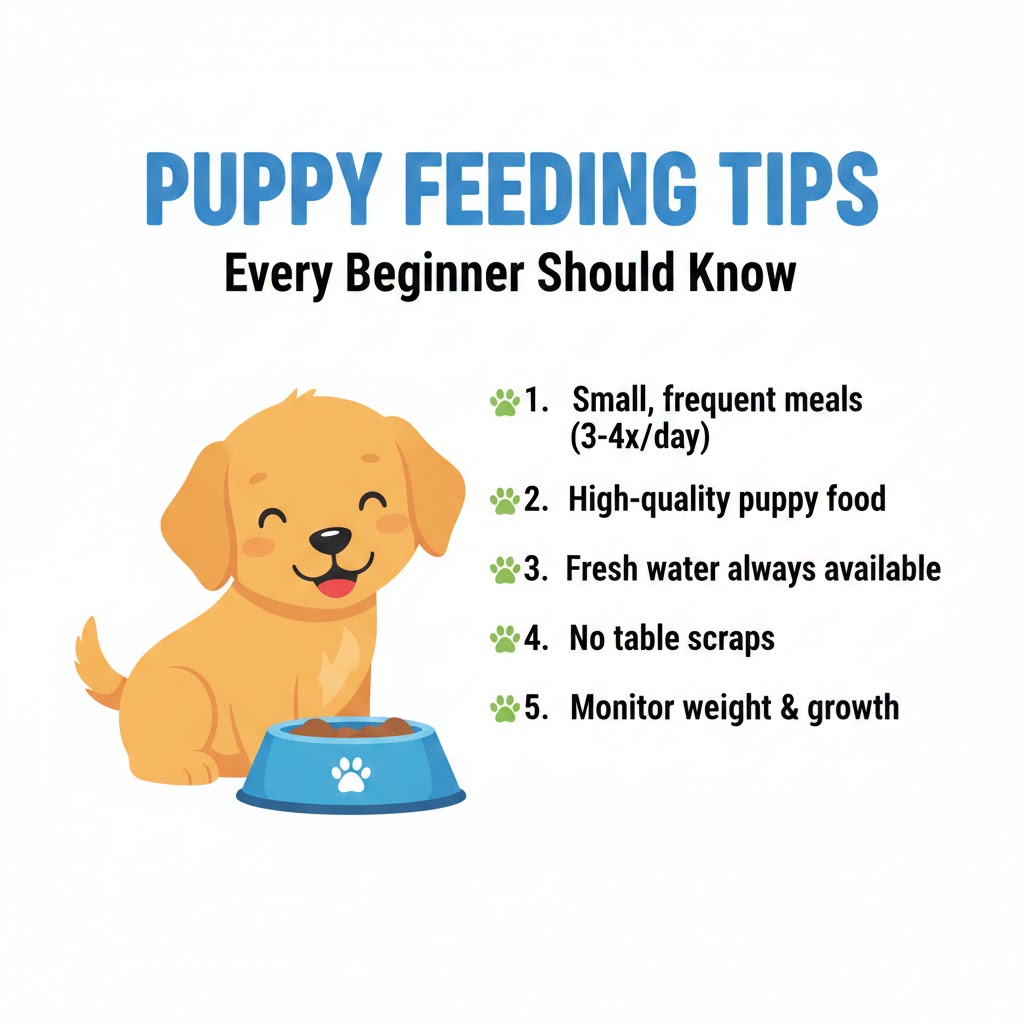
Feeding a puppy the right way plays a major role in their growth, health, and behavior. New puppy owners often feel confused about how much to feed, when to feed, and what type of food is best. Understanding basic feeding principles helps you give your puppy a healthy start and prevents common nutritional issues.
Understanding Your Puppy’s Growth Needs
Puppies need more calories, protein, and nutrients than adult dogs because they are constantly developing. Their muscles, bones, and brain are growing every day, which means their meals must be rich in high-quality ingredients. Choosing puppy-specific food ensures they get the correct balance designed for their life stage.
Choosing the Right Puppy Food
Look for puppy food that lists real meat as the first ingredient. Chicken, turkey, lamb, or fish are great sources of protein. Foods containing omega fatty acids, DHA, vitamins, and minerals support brain development and strong bones. You can explore reliable brand comparisons and feeding guides on PetsDogPuppy to make the selection easier for new owners.
Setting a Proper Feeding Schedule
Most puppies need three to four meals a day depending on their age and breed size. Smaller breeds may require more frequent meals to maintain stable energy levels, while larger breeds may do well with three meals. A consistent schedule helps regulate digestion, prevents overeating, and supports healthy growth patterns.
Controlling Portion Sizes
Feeding too much can lead to rapid weight gain, while feeding too little may affect growth. Always follow the guidelines on the food packaging, then adjust based on your puppy’s activity level and body condition. Puppies should have a visible waist and feel firm around the ribs without being too thin.
Introducing New Foods Slowly
When switching brands or adding homemade items, do it gradually. Mix a small amount of the new food with the current one and increase it over a week. This prevents stomach upset, diarrhea, and digestion issues. Slow transitions also help your puppy adapt comfortably to new flavors and textures.
Safe Homemade Additions for Better Nutrition
Many affordable ingredients can safely enhance your puppy’s diet. Boiled eggs, carrots, pumpkin, sweet potatoes, and plain chicken are great add-ons. These support digestion, provide vitamins, and increase meal appeal. Just avoid salt, spices, oil, and any harmful human foods.
Avoiding Foods That Can Harm Puppies
Some foods are unsafe for puppies even in small amounts. Keep them away from chocolate, grapes, onions, garlic, caffeine, alcohol, and anything heavily seasoned. Puppies have sensitive stomachs, so simple and clean ingredients are always best.
Keeping Fresh Water Available at All Times
Hydration is essential for puppies. Make sure they have fresh, clean water available throughout the day. Change the water regularly and clean the bowl to avoid bacteria growth. Hydrated puppies digest food better, stay active, and maintain proper body temperature.
Monitoring Your Puppy’s Growth and Health
Regularly check your puppy’s weight, energy levels, and appetite. If you notice vomiting, weakness, poor growth, or unusual behavior, consult a vet quickly. Many new owners also rely on guidance from PetsDogPuppy, where expert tips help them care for their puppies more confidently.
Final Thoughts
Feeding your puppy correctly creates a strong foundation for lifelong health. With the right food, consistent schedules, portion control, and safe ingredients, your puppy will grow into a happy and energetic adult dog. Taking care of their nutrition early ensures they thrive in every stage of life.