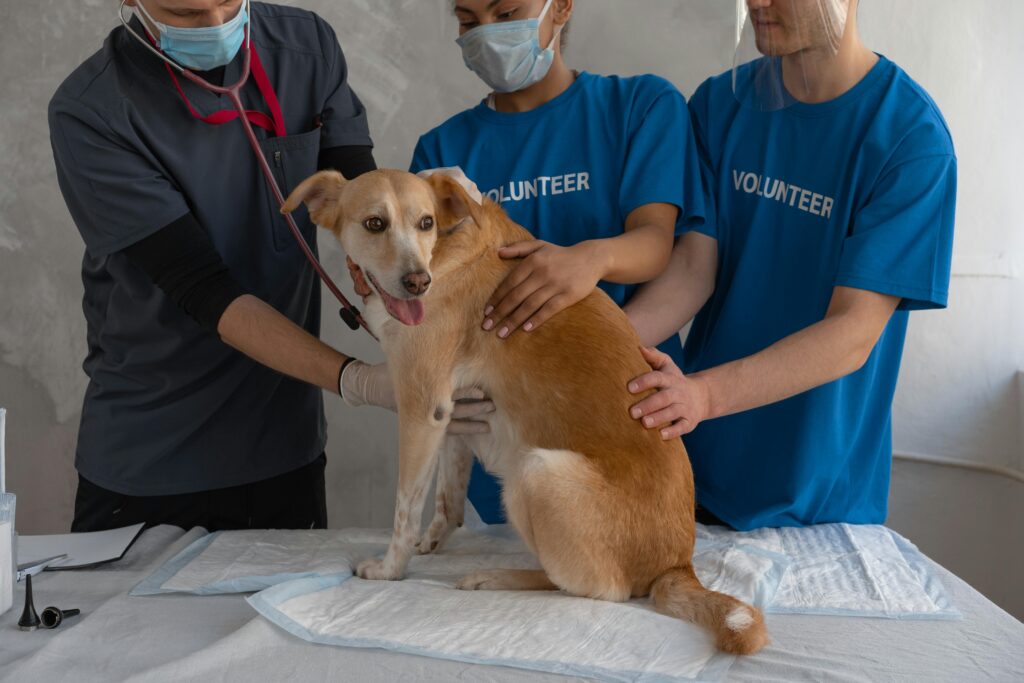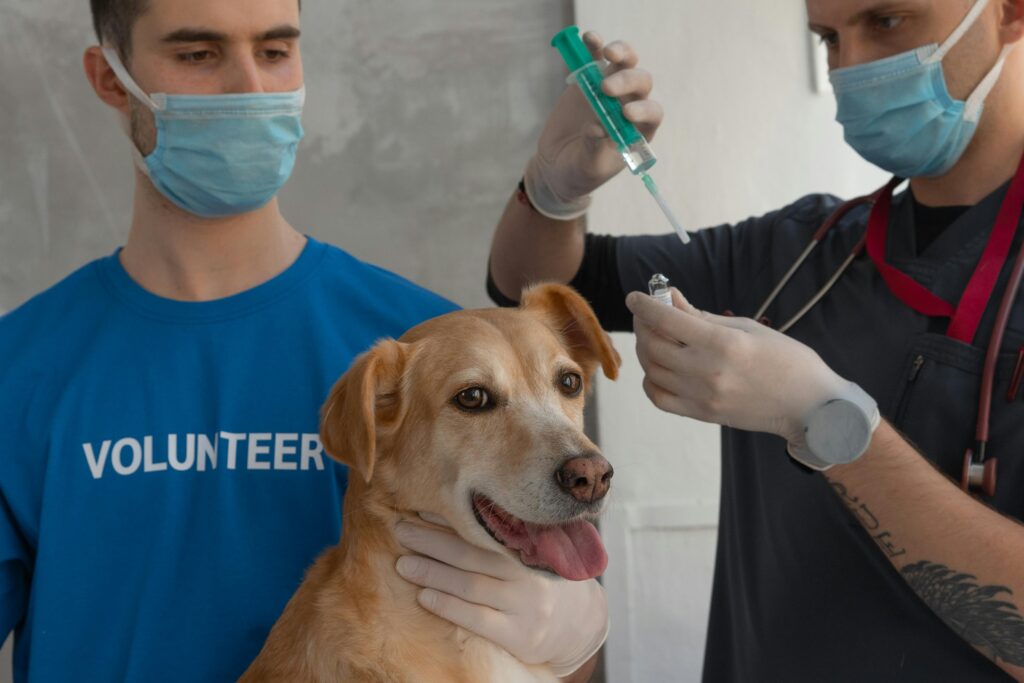
Welcoming a puppy into your home is a heart-melting experience. Those playful eyes, tiny paws, and endless energy quickly become the center of your day. Along with love, food, and training, one essential responsibility every new pet parent must understand is grooming. Puppy grooming is not just about keeping your pup cute and Instagram-ready 📸, it is about hygiene, health, comfort, and building a lifelong bond.
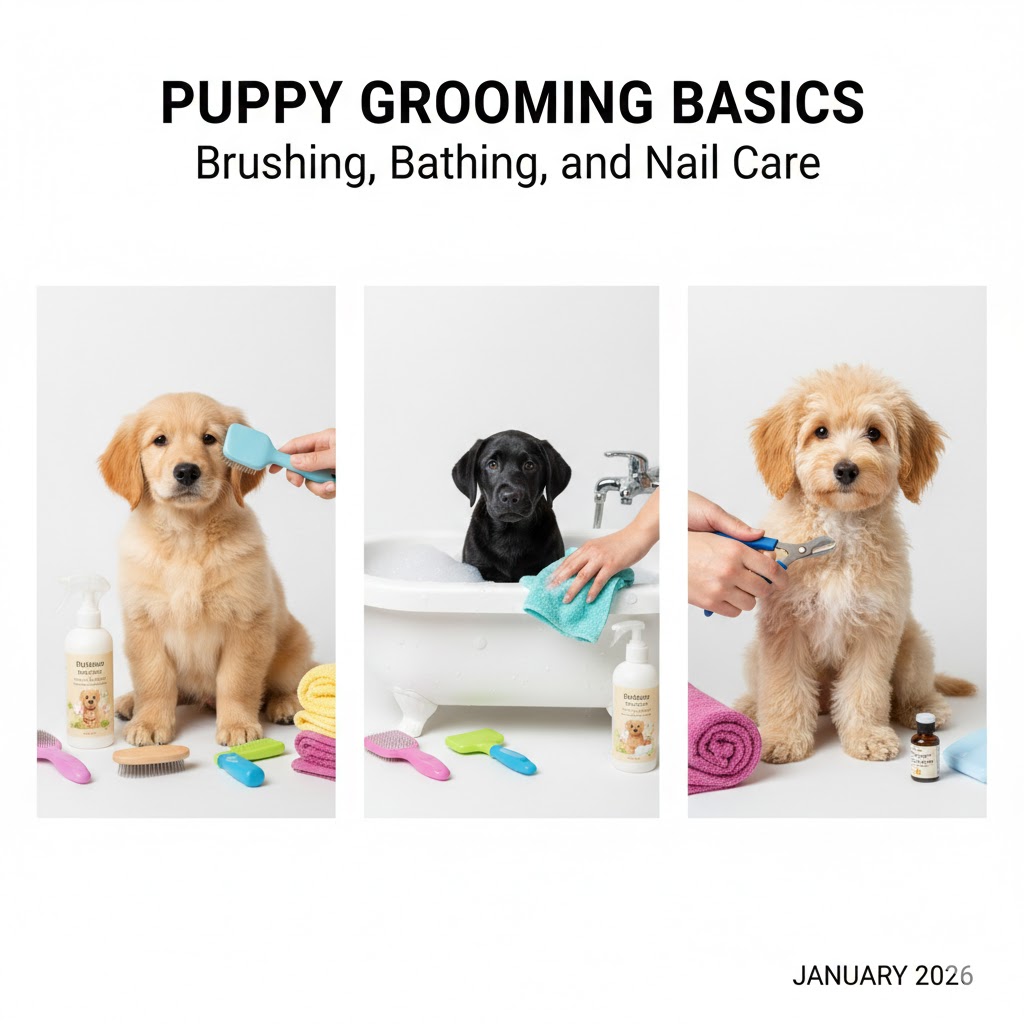
In this detailed guide, we will explore puppy grooming basics in depth, focusing on brushing, bathing, and nail care. Whether you are a first-time puppy parent or someone looking to improve your grooming routine, this article will help you create stress-free and positive grooming habits from the very beginning. At PetsDogPuppy, we believe grooming should be simple, safe, and enjoyable for both you and your furry companion 🐾.
Why grooming is important from puppyhood 🐕
Many pet owners think grooming is something to worry about when a dog grows older, but the truth is grooming should start early. Puppyhood is the perfect time to introduce brushing, bathing, and nail trimming in a gentle and positive way.
Early grooming helps your puppy get used to being handled. Touching their paws, ears, tail, and face regularly reduces fear and anxiety later in life. Grooming also allows you to spot potential health issues early, such as skin infections, ticks, fleas, lumps, or injuries.
Most importantly, grooming strengthens the emotional connection between you and your puppy. Calm grooming sessions build trust, teaching your pup that you are a source of comfort and care. PetsDogPuppy always emphasizes that grooming is as much about emotional well-being as it is about cleanliness 💙.
Understanding your puppy’s coat type 🧬
Before starting a grooming routine, it is important to understand your puppy’s coat. Different coat types require different grooming methods and frequencies.
Some puppies have short, smooth coats that shed minimally and need less brushing. Others have medium or long coats that tangle easily and require frequent maintenance. Curly or wiry coats also have unique needs and may require specific tools.
Knowing your puppy’s coat type helps you choose the right brush, bathing schedule, and grooming approach. Even mixed-breed puppies may show traits from multiple coat types, so observe how their fur behaves as they grow.
Brushing basics for puppies 🪮
Brushing is the foundation of puppy grooming. It removes loose hair, dirt, and debris while distributing natural oils that keep the coat shiny and healthy.
When should you start brushing your puppy
You can start brushing your puppy as early as eight weeks old. At this stage, the goal is not perfection but familiarity. Short, gentle brushing sessions help your puppy associate grooming with positive experiences.
Start with just a few minutes and gradually increase the duration as your puppy becomes comfortable. Always choose a quiet environment and speak in a calm, reassuring tone.
Choosing the right brush 🧴
The right brush makes a huge difference in your puppy’s comfort.
For short-haired puppies, a soft bristle brush or grooming mitt works well. For medium to long coats, a slicker brush or pin brush helps prevent tangles. Puppies with thick undercoats may benefit from a gentle deshedding tool, but only when they are older and more accustomed to grooming.
Avoid hard or sharp brushes that may irritate sensitive puppy skin.
How often should you brush your puppy
Short-haired puppies usually need brushing once or twice a week. Medium to long-haired puppies benefit from brushing three to four times a week, while very long or curly coats may need daily brushing.
Consistency matters more than duration. Even five minutes of regular brushing can prevent matting and make grooming enjoyable.
Making brushing a positive experience 🌈
Always reward your puppy with praise, gentle petting, or small treats after brushing. If your puppy becomes restless or playful, pause and try again later. Never force brushing, as this can create fear or resistance.
Over time, brushing can become a calming routine your puppy looks forward to. PetsDogPuppy recommends combining brushing with bonding time, such as after walks or play sessions.
Bathing your puppy the right way 🛁
Bathing is another essential part of puppy grooming, but it must be done carefully. Puppies have delicate skin, and over-bathing can cause dryness or irritation.
When can puppies have their first bath
Most puppies can have their first bath around eight to ten weeks of age, provided they are healthy and warm. If your puppy gets dirty before that, you can use a damp cloth to gently clean specific areas.
Always make sure your puppy is in a warm, draft-free environment before and after bathing.
How often should you bathe a puppy
Puppies do not need frequent baths. In most cases, bathing once every three to four weeks is sufficient. If your puppy plays outdoors often or gets muddy, occasional extra baths are fine, but avoid bathing too frequently.
Over-bathing strips natural oils from the skin, leading to dryness and itchiness.
Choosing the right puppy shampoo 🧼
Always use a shampoo specifically formulated for puppies. Human shampoos or adult dog shampoos can be too harsh and disrupt the natural pH of puppy skin.
Look for mild, tear-free, and fragrance-free formulas. Natural ingredients like oatmeal or aloe vera are excellent for soothing sensitive skin.
Step-by-step puppy bathing process 🐾
Start by brushing your puppy before the bath to remove loose hair and tangles. Use lukewarm water, never hot or cold. Wet your puppy gently, avoiding the eyes and ears.
Apply a small amount of puppy shampoo and massage it into the coat using slow, gentle movements. Rinse thoroughly, as leftover shampoo can irritate the skin.
After bathing, wrap your puppy in a soft towel and gently pat dry. Some puppies tolerate a low-noise hair dryer on a warm setting, but towel drying is usually safest.
Helping your puppy enjoy bath time 😊
Make bath time fun and calm. Use treats, soothing words, and slow movements. Never rush or scold your puppy during a bath.
If your puppy is nervous, keep baths short and positive. With time, patience, and repetition, many puppies grow to tolerate or even enjoy bathing.
Nail care essentials for puppies ✂️
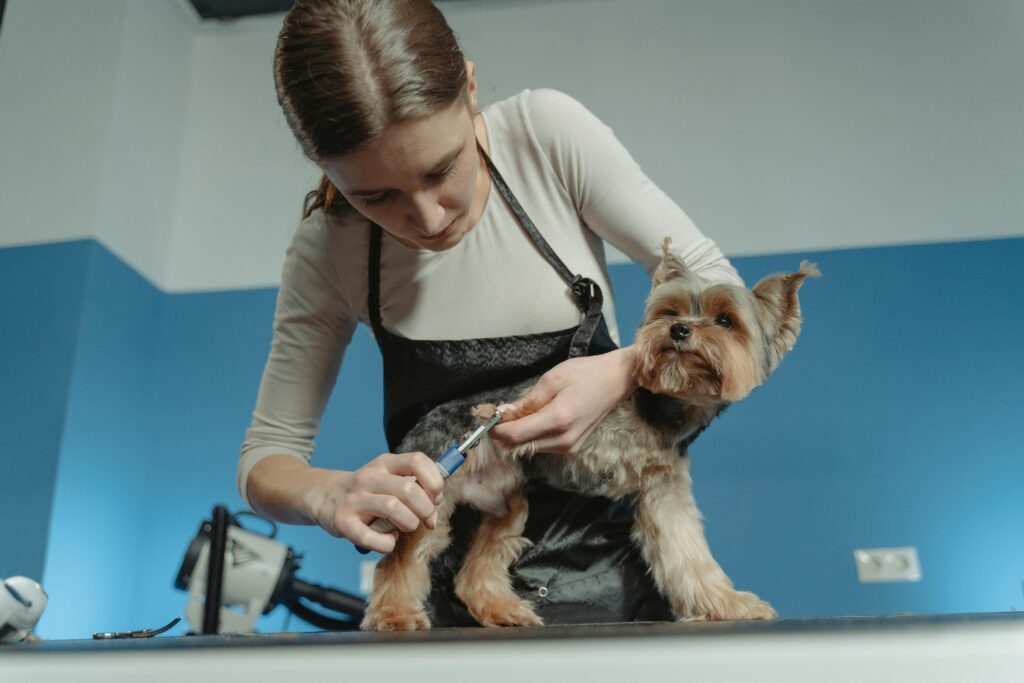
Nail trimming is often the most challenging part of grooming for pet parents, but it is extremely important. Long nails can cause discomfort, affect walking posture, and even lead to joint problems.
When to start trimming puppy nails
You can start handling your puppy’s paws from the first week at home. Actual nail trimming can begin around eight to ten weeks of age.
Early exposure makes nail care much easier as your puppy grows.
How often should puppy nails be trimmed
Puppy nails usually need trimming every two to three weeks. If you hear clicking sounds when your puppy walks on hard floors, it is time for a trim.
Active puppies who walk on rough surfaces may naturally wear down their nails, but regular checks are still necessary.
Choosing nail trimming tools 🧰
There are two main options for nail care: nail clippers and nail grinders. Clippers are quick and efficient, while grinders gradually file the nail and reduce the risk of cutting too short.
Choose tools designed specifically for puppies or small dogs.
How to trim nails safely 🛡️
Hold your puppy’s paw gently and trim a small portion of the nail at a time. Avoid cutting the quick, which is the sensitive area inside the nail containing blood vessels.
If your puppy has light-colored nails, the quick is usually visible as a pink area. For dark nails, trim slowly and stop if you see a dark center.
If you accidentally cut the quick, remain calm and apply styptic powder or cornstarch to stop bleeding.
Making nail care stress-free 💕
Practice touching your puppy’s paws daily, even when not trimming nails. Reward calm behavior and keep sessions short.
PetsDogPuppy strongly encourages patience and positivity when it comes to nail care, as fear or force can create long-term anxiety.
Grooming ears, eyes, and teeth 👀🦷
While brushing, bathing, and nail care are the main grooming tasks, basic ear, eye, and dental care should also be part of your routine.
Check ears weekly for redness, odor, or discharge. Clean gently with a vet-approved ear cleaner if needed.
Wipe around the eyes with a soft, damp cloth to remove tear stains or dirt.
Introduce tooth brushing early using puppy-safe toothpaste and a soft brush. Dental care prevents bad breath and long-term oral health problems.
Creating a puppy grooming routine 🗓️
Consistency is the key to successful grooming. Create a simple routine that fits your lifestyle and your puppy’s needs.
Short daily handling sessions, regular brushing, monthly baths, and scheduled nail trims help keep grooming manageable and stress-free.
At PetsDogPuppy, we always remind pet parents that routines build confidence and trust, making grooming easier as your puppy grows.
Common puppy grooming mistakes to avoid 🚫
Avoid forcing your puppy to sit still for long periods. Never use adult grooming products on puppies. Do not ignore early signs of fear or discomfort.
Skipping grooming sessions for too long can make tasks overwhelming later. Grooming should be gradual, gentle, and positive.
Long-term benefits of proper grooming 🌟
Proper grooming improves your puppy’s physical health, emotional well-being, and overall happiness. It reduces shedding, prevents infections, and keeps your puppy comfortable.
It also makes vet visits, professional grooming, and handling much easier in adulthood.
PetsDogPuppy believes that grooming is not a chore but an opportunity to care, connect, and communicate with your puppy in a meaningful way.
Final thoughts 🐕💛
Puppy grooming basics may seem overwhelming at first, but with patience, the right tools, and a positive mindset, it becomes a rewarding part of pet parenting. Brushing keeps the coat healthy, bathing maintains cleanliness, and nail care ensures comfort and mobility.
Starting early sets the foundation for a lifetime of good grooming habits. Your puppy learns to trust you, feel safe, and enjoy the process.
With the right guidance and consistency, grooming can become one of the most loving routines you share with your puppy. For more expert puppy care advice, grooming tips, and trusted guidance, PetsDogPuppy is always here to support you and your furry friend on every step of the journey 🐾💙.