Grooming is more than keeping your puppy clean; it helps maintain healthy skin, a shiny coat, and overall comfort. Good grooming habits also build trust between you and your puppy and make them more confident during vet visits or professional grooming sessions. Learning basic grooming steps early ensures your puppy grows into a well-behaved, well-cared-for dog.
Understanding Your Puppy’s Coat Type
Different breeds have different grooming needs. Some puppies shed heavily and require frequent brushing, while others have curly or long coats that tangle easily. Knowing your puppy’s coat type helps you choose the right tools such as slicker brushes, combs, detanglers, and shampoos. Guides on PetsDogPuppy often help new owners identify coat needs quickly.
Regular Brushing for a Healthy Coat
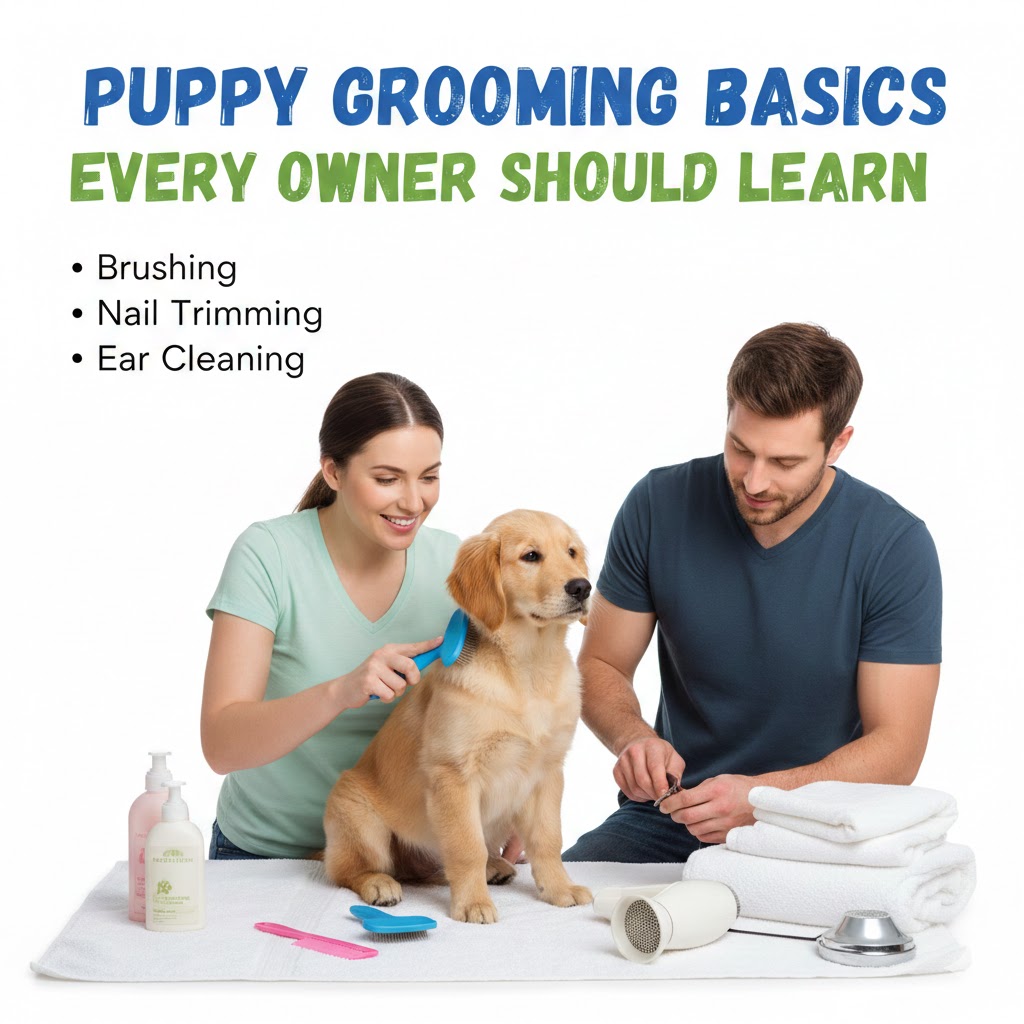
Brushing your puppy prevents mats, reduces shedding, and spreads natural oils that keep the coat shiny. Start with short brushing sessions to help your puppy get comfortable. Use gentle strokes and reward them to create a positive grooming experience. Consistent brushing also helps you spot early signs of skin issues or parasites.
Bathing Your Puppy Safely
Puppies do not need frequent baths; once every three to four weeks is usually enough. Always use puppy-safe shampoo to avoid skin irritation. Make sure the water is lukewarm, rinse thoroughly, and dry your puppy completely to prevent chills. A pleasant bath routine helps your puppy feel secure and relaxed.
Nail Trimming Without Stress
Puppy nails grow quickly and need regular trimming. Long nails can cause discomfort while walking or running. Use pet-safe nail clippers or grinders and trim slowly, avoiding the quick. If you’re unsure, ask your vet or groomer to demonstrate the proper technique. Building confidence early makes future trims easier.
Cleaning Ears and Eyes Properly
Some puppies collect dirt and wax in their ears more than others. Use vet-approved ear cleaners and cotton pads, never cotton swabs. Wipe gently around the outer ear area. Similarly, clean the corners of your puppy’s eyes to remove tear stains or dirt buildup. This step helps maintain hygiene and prevents infections.
Brushing Puppy Teeth for Fresh Breath
Dental care is one of the most important but often overlooked grooming tasks. Start brushing your puppy’s teeth early with dog-safe toothpaste. Regular brushing prevents plaque, bad breath, and dental diseases. Use small circular motions and keep sessions short until your puppy becomes comfortable.
Introducing Grooming Tools Slowly
Many puppies get scared of clippers, brushes, or dryers. Introduce each tool slowly and let them sniff, explore, and get familiar with the sounds. Reward calm behavior with treats. This step ensures grooming becomes a positive and stress-free experience.
When to Seek Professional Grooming
Some breeds, especially long-haired or curly-coated puppies, benefit from professional grooming every few weeks. A groomer can trim fur, shape the coat, clean ears, and perform detailed hygienic grooming. Platforms like PetsDogPuppy provide tips on when professional grooming is best for certain breeds.
Final Thoughts
Grooming is an essential part of raising a healthy, confident puppy. By brushing regularly, bathing correctly, trimming nails, and caring for teeth and ears, you build habits that support lifelong health. With patience and positive reinforcement, grooming becomes a fun bonding routine that helps your puppy feel clean, safe, and loved.