Bringing home a new puppy is an exciting experience, but it also comes with the responsibility of understanding early health signs. Puppies cannot express discomfort clearly, so recognizing small changes in behavior, appetite, or appearance is important. Knowing what to look for helps ensure your puppy grows into a strong and healthy adult, and platforms like PetsDogPuppy offer guidance to support new owners through this stage.
Normal vs Concerning Puppy Behavior
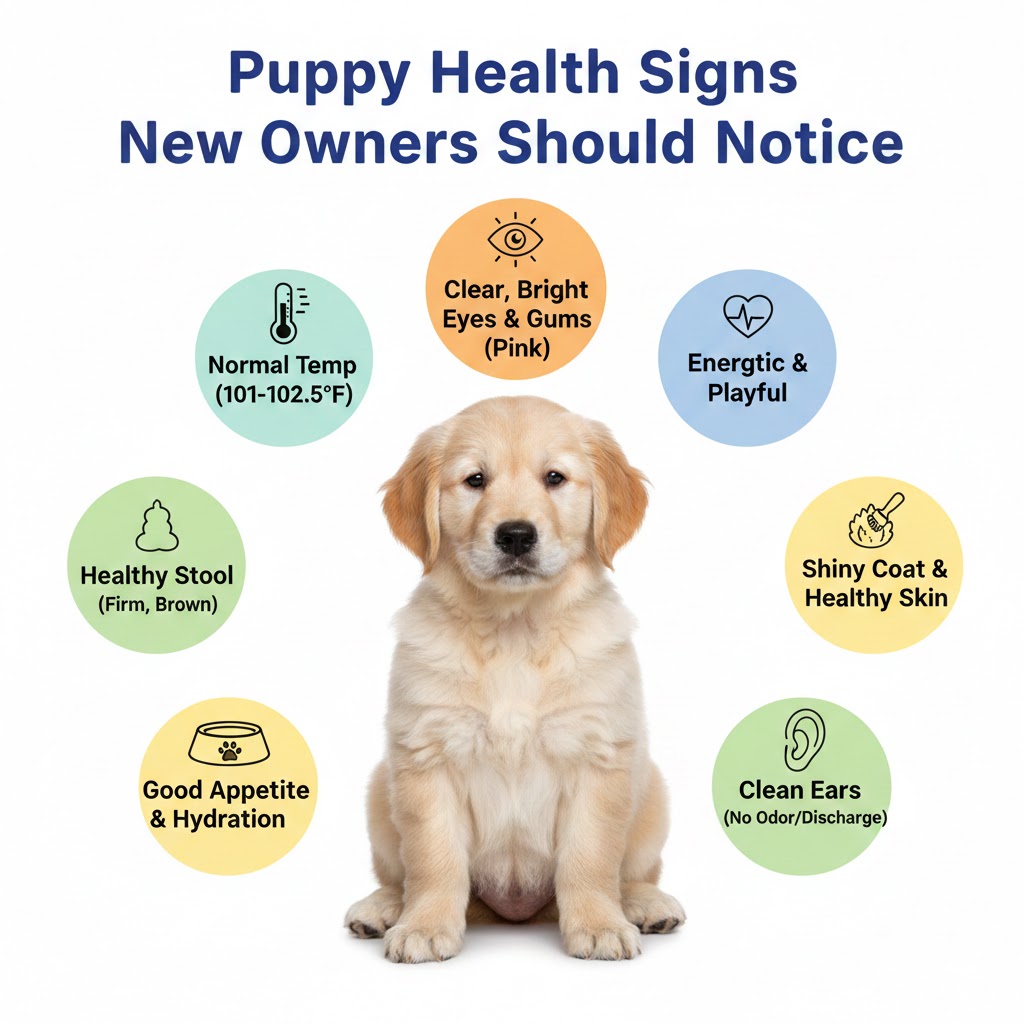
Healthy puppies are active, curious, and playful. They enjoy exploring their surroundings and interacting with people. If your puppy becomes unusually tired, isolated, or uninterested in activities they usually love, it may be a sign of discomfort or illness. Tracking behavior changes is one of the best ways to identify health issues early.
Appetite Changes and Eating Habits
A healthy puppy eats regularly and shows interest in meals. A sudden loss of appetite, overeating, or difficulty chewing may signal an underlying problem. Puppies may skip a meal occasionally, but consistent changes should be checked. Keeping an eye on water intake is also important, as reduced drinking can lead to dehydration.
Skin and Coat Condition
Your puppy’s coat is a clear reflection of their health. A shiny, soft coat usually indicates good nutrition and proper care. Dry patches, excessive shedding, bald spots, or visible redness may point to allergies, parasites, or skin infections. Early treatment helps prevent irritation from becoming severe.
Eye and Nose Health Indicators
Bright, clear eyes are a sign of a healthy puppy. Discharge, cloudiness, swelling, or frequent rubbing of the eyes should not be ignored. Similarly, a puppy’s nose should be moist and clean. Persistent sneezing, thick mucus, or a very dry nose may indicate respiratory issues or environmental allergies.
Stool and Bathroom Habits
Monitoring your puppy’s stool can reveal a lot about their health. Normal stool should be firm and brown. Loose stool, diarrhea, constipation, or worms require attention. Puppies are sensitive to diet changes, so any sudden disruption might affect digestion. Keeping track of bathroom routines helps identify concerns early.
Breathing Patterns and Energy Levels
Healthy puppies breathe quietly and steadily. Wheezing, coughing, difficulty breathing, or rapid breathing may signal infections or congestion. Energy levels should also remain consistent. A sudden drop in activity or excessive sleep could highlight an underlying health condition. Observing these patterns supports early detection.
Weight Gain and Growth Rate
Puppies grow quickly, but growth should be steady. If your puppy seems underweight, gains weight too fast, or shows visible ribs, it may require dietary adjustments. Regular monitoring and vet check-ups ensure they stay on the right track. Resources on PetsDogPuppy help new owners understand growth expectations for different breeds.
Oral Health and Teething Issues
Teething puppies often chew objects to relieve discomfort, but excessive drooling, bleeding gums, or foul breath may indicate dental problems. Maintaining oral hygiene from an early age helps prevent infections and supports long-term health.
Final Thoughts
Understanding your puppy’s health begins with noticing small, everyday signs. Early detection allows you to act quickly and support your puppy’s well-being. By paying attention to behavior, appetite, coat quality, digestion, and energy levels, you create a strong foundation for lifelong health. With consistent care and awareness, your puppy will grow confidently and comfortably.