
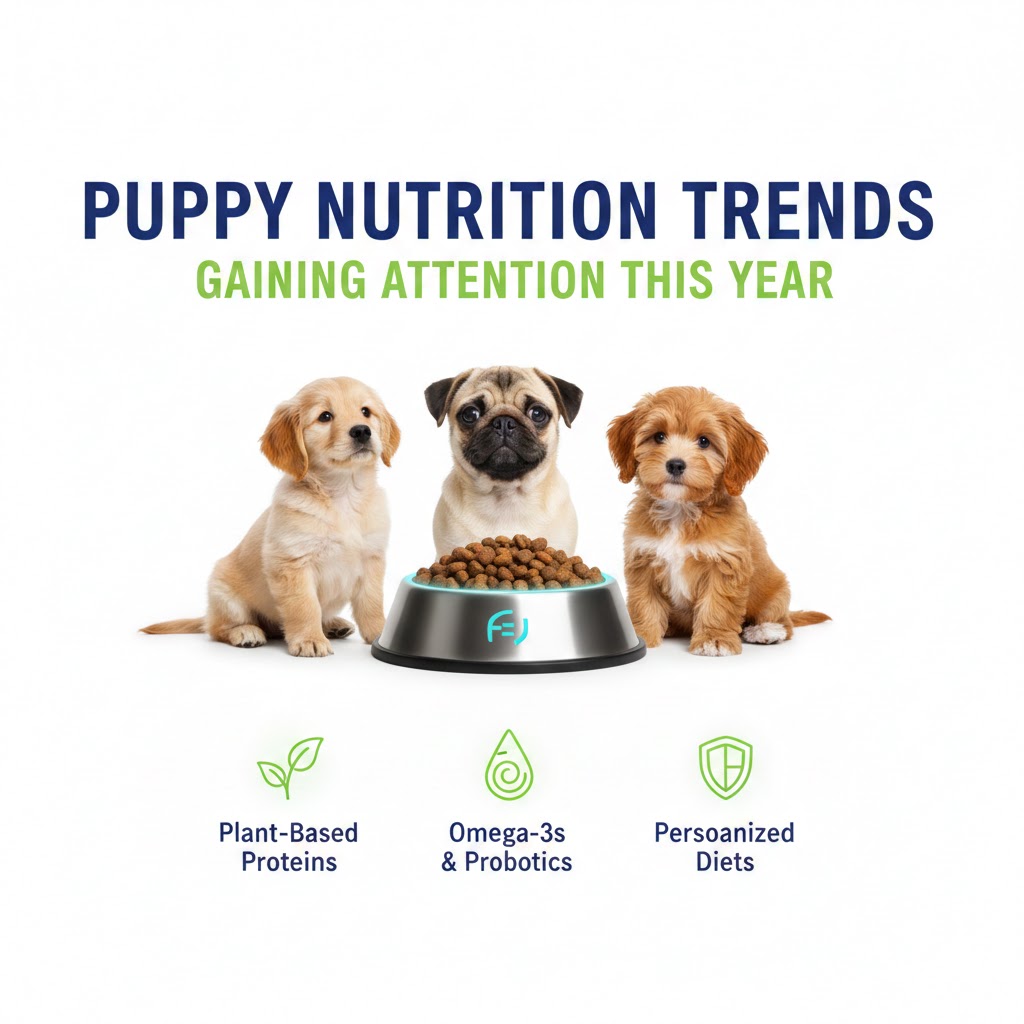
Puppy nutrition is evolving quickly as pet owners become more informed, more involved, and more conscious about what they feed their dogs. This year, puppy nutrition trends are being shaped by a mix of veterinary research, lifestyle changes, ingredient transparency, and a growing humanization of pets. Puppies are no longer fed solely based on convenience; instead, owners are actively seeking diets that support growth, digestion, immunity, and long-term health.
Understanding these emerging trends helps puppy owners make better feeding decisions during the most critical stage of a dog’s life.
Increased Focus On Ingredient Transparency
One of the most noticeable trends in puppy nutrition this year is the demand for clear and honest ingredient labeling. Pet owners want to know exactly what goes into their puppy’s food, where the ingredients come from, and why they are included.
Brands are responding by listing whole-food ingredients instead of vague terms like meat by-products or animal derivatives. Ingredients such as named proteins, whole grains, vegetables, and natural fats are becoming more common. This transparency builds trust and allows owners to choose food that aligns with their puppy’s dietary needs.
Rise Of Fresh And Minimally Processed Puppy Food
Fresh and lightly cooked puppy food is gaining popularity as owners move away from heavily processed kibble. These diets often use gently cooked meats, vegetables, and grains designed to retain more nutrients while remaining safe for puppies.
Many owners believe fresh food supports better digestion, healthier coats, and improved energy levels. While not every household can commit to fully fresh feeding, even partial incorporation of fresh meals alongside traditional puppy food is becoming a common approach.
Breed And Size Specific Nutrition
Another growing trend is tailored nutrition based on breed size and growth rate. Large-breed puppies have different calcium, phosphorus, and calorie requirements compared to small-breed puppies. Feeding a one-size-fits-all formula is becoming less common.
More puppy food options are now designed specifically for toy breeds, medium breeds, and large breeds. These formulas aim to support controlled growth, joint health, and balanced development, especially during rapid growth phases.
Functional Ingredients For Early Health Support
Functional nutrition is becoming a key focus in puppy diets. These are ingredients added not just for calories, but for specific health benefits.
Probiotics and prebiotics are increasingly included to support gut health and digestion. Omega fatty acids are used to promote brain development and coat health. Antioxidants from fruits and vegetables are added to support immune development. These ingredients are now seen as essential rather than optional.
Increased Awareness Of Overfeeding Risks
Overfeeding puppies is a common issue, and this year there is greater awareness around portion control. Many owners are learning that rapid weight gain in puppies can lead to joint problems, obesity, and long-term health issues.
Feeding guidelines are becoming more precise, with recommendations based on age, expected adult size, and activity level. Owners are encouraged to monitor body condition rather than relying solely on portion charts.
Educational platforms like PetsDogPuppy are playing an important role in helping owners understand how much to feed and how to adjust portions as puppies grow.
Grain Inclusive Diets Regaining Trust
While grain-free diets gained popularity in past years, current trends show a shift back toward grain-inclusive puppy foods. Research and veterinary guidance have highlighted the importance of balanced carbohydrates and the potential risks of unnecessary grain exclusion.
Whole grains such as brown rice, oats, and barley are now widely accepted as beneficial sources of energy and fiber for puppies. Owners are becoming more cautious about following food trends without scientific backing.
Ethical And Sustainable Ingredient Choices
Sustainability is influencing puppy nutrition choices more than ever. Owners are paying attention to how ingredients are sourced and whether brands use environmentally responsible practices.
This includes responsibly sourced meats, reduced food waste, recyclable packaging, and alternative protein sources. While sustainability is often a secondary factor to nutrition, it is increasingly shaping purchasing decisions among environmentally conscious pet owners.
Limited Ingredient Diets For Sensitive Puppies
Food sensitivities and digestive issues in puppies are being identified earlier, leading to a rise in limited ingredient diets. These formulas use fewer components to reduce the risk of allergic reactions and digestive upset.
Single-protein formulas and simplified ingredient lists help owners pinpoint what works best for their puppy. This approach is especially popular for puppies with itchy skin, loose stools, or frequent ear issues.
Raw Feeding Conversations Becoming More Balanced
Raw feeding continues to attract attention, but discussions around it are becoming more balanced and informed. Instead of viewing raw diets as universally good or bad, owners are now encouraged to understand the risks, benefits, and responsibilities involved.
Veterinarians emphasize the importance of nutritional balance and food safety when considering raw diets for puppies. Many owners who are interested in raw feeding opt for commercially prepared raw meals that meet nutritional standards rather than homemade versions.
Life Stage Feeding Awareness
There is growing recognition that puppies have unique nutritional needs that differ significantly from adult dogs. Feeding adult dog food to puppies is increasingly discouraged due to insufficient calories, protein, and essential nutrients.
More owners are paying attention to life stage labeling and transitioning foods appropriately as puppies mature. Gradual transitions are emphasized to prevent digestive upset and support steady growth.
The Role Of Education In Puppy Nutrition Choices
As information becomes more accessible, puppy owners are becoming proactive learners. Blogs, vet resources, and expert-led platforms help decode complex feeding advice and nutrition labels.
Reliable sources like PetsDogPuppy support owners by translating nutritional science into practical feeding guidance that fits real-world routines. This educational approach empowers owners to make confident, informed decisions rather than following trends blindly.
Treats And Snacks Becoming More Purposeful
Treats are no longer just rewards. Puppy treats are now being formulated with nutritional benefits such as dental support, calming ingredients, or digestive aids.
Owners are also becoming more selective about treat calories to avoid disrupting balanced meals. Training treats are often smaller, softer, and designed to be low in calories while remaining appealing to puppies.
Veterinary Collaboration With Pet Food Brands
Another trend gaining attention is closer collaboration between veterinarians and pet food manufacturers. Vet-backed formulations and research-supported recipes are becoming more prominent.
This partnership helps bridge the gap between scientific research and everyday feeding practices. Puppy owners increasingly look for foods that carry veterinary approval or are supported by feeding trials.
Adapting Nutrition To Modern Lifestyles
Modern lifestyles influence how puppies are fed. Busy schedules, urban living, and smaller households are shaping demand for convenient yet nutritious options.
Pre-portioned meals, subscription services, and clear feeding instructions help owners maintain consistency. Nutrition solutions that fit into daily routines without compromising quality are becoming the norm rather than the exception.
Long Term Impact Of Early Nutrition
More owners now understand that puppy nutrition affects long-term health outcomes. Proper nutrition during growth stages can influence joint health, immune resilience, digestion, and even behavior in adulthood.
This awareness is shifting the mindset from short-term feeding convenience to long-term wellness planning. Puppies are seen as developing individuals whose nutritional foundation matters deeply.
Final Thoughts On Puppy Nutrition Trends
Puppy nutrition trends gaining attention this year reflect a broader shift toward informed, intentional pet care. Transparency, functional ingredients, sustainability, and science-backed feeding practices are shaping how puppies are nourished during their most important developmental stage.
As research continues and owner awareness grows, puppy nutrition will keep evolving. Staying informed, consulting veterinarians, and choosing balanced diets tailored to individual puppies are the best ways to navigate these trends responsibly and support lifelong canine health.