Sleep is one of the most important parts of a puppy’s development. Just like babies, puppies grow, learn, and build immunity while they sleep. Understanding how much rest your puppy needs helps you create a routine that supports healthy growth, behavior, and overall well-being. This guide explains the ideal sleep requirements and how to make sure your puppy gets the rest they need.
Why Puppies Need So Much Sleep
Puppies are constantly developing. Their brains, bones, muscles, and immune systems grow rapidly during the first year. Sleep supports this process by helping their bodies repair tissues, store new memories, and regulate energy. Without enough rest, puppies can become cranky, overly active, or stressed.
How Many Hours Puppies Should Sleep
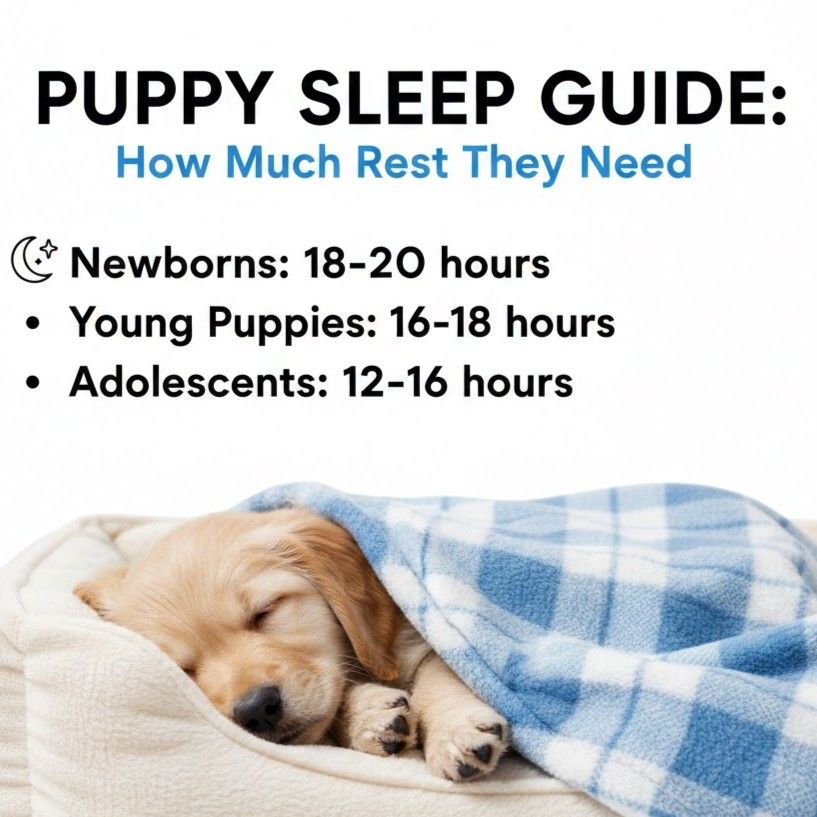
Newborn puppies sleep almost all day, typically 18 to 20 hours. As they grow, their sleep time decreases but still remains high. Most puppies between 8 and 14 weeks old need 16 to 18 hours of sleep each day. Even at six months, many still need 14 to 16 hours. Adequate sleep ensures proper development and better behavior during waking hours.
Understanding Puppy Sleep Cycles
Puppies have shorter and more frequent sleep cycles compared to adult dogs. They often sleep deeply for short periods, wake up to play, eat, or explore, then fall asleep again. This pattern is completely normal. Creating a consistent routine helps puppies adjust and settle into a predictable sleep schedule.
Creating a Comfortable Sleep Environment
A quiet, safe, and cozy space makes it easier for puppies to relax. A crate, puppy bed, or designated corner helps them feel secure. Soft bedding, comfortable temperature, and limited distractions encourage better sleep. Keeping the environment calm prevents sudden interruptions and helps develop healthy sleep habits.
Establish a Consistent Bedtime Routine
Routine is important for puppies. Feeding, playtime, and bathroom breaks should happen at similar times every day. A predictable routine teaches puppies when it’s time to calm down and sleep. Avoid overly energetic play right before bedtime, as it can make settling down more difficult.
Nap Time Is Essential
Puppy nap times are just as important as nighttime sleep. Puppies often take many short naps throughout the day. Encourage naps by offering a quiet space after meals or play sessions. Don’t wake your puppy unless necessary, as uninterrupted rest supports mental and physical growth.
Signs Your Puppy Isn’t Getting Enough Sleep
Overtired puppies can show signs such as excessive biting, zooming, whining, barking, or trouble settling. These behaviors often look like hyperactivity but are actually signs of exhaustion. If you notice these issues, it may be time to adjust your puppy’s routine.
How Owners Can Support Healthy Sleep
Providing regular exercise, balanced meals, training sessions, and calm environments helps puppies rest better. Excessive noise, irregular routines, or overstimulation can disrupt sleep. Teaching your puppy to rest independently also builds confidence and reduces anxiety.
When to Consult a Vet
If your puppy seems unusually lethargic, sleeps far too little, or has sudden changes in sleep patterns, it’s important to consult a veterinarian. While high sleep needs are normal, drastic changes may indicate a health issue.
Conclusion
Puppies need plenty of rest to grow into healthy, happy adult dogs. By understanding their sleep requirements, creating a peaceful environment, and maintaining a consistent routine, you can support your puppy’s development. Proper sleep leads to better behavior, stronger immunity, and a more balanced puppy overall. PetsDogPuppy