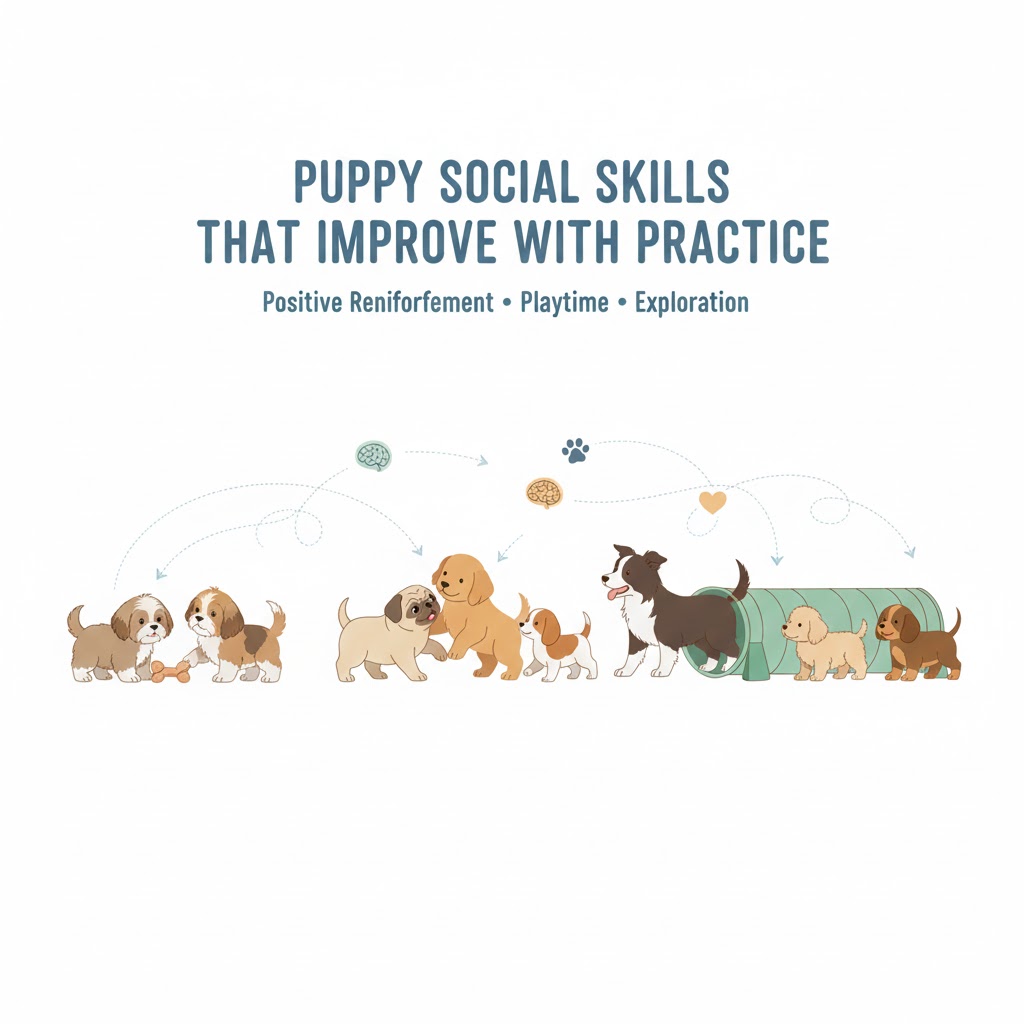
Puppies learn how to interact with the world through repeated experiences. Social skills don’t develop overnight—they grow stronger as puppies practice meeting people, exploring new environments, and interacting with other dogs. Building these skills early helps reduce fear, boosts confidence, and creates a well-behaved companion who can handle daily life comfortably.
Why Social Skills Matter for Puppies
Good social skills shape your puppy’s attitude, confidence, and adaptability. Puppies who experience positive interactions early tend to be more relaxed, friendly, and less likely to develop behavior problems. Socialization is an essential part of raising a balanced dog, and many owners rely on guidance from PetsDogPuppy to understand this stage better.
Practicing Interactions With New People
Let your puppy meet different types of people—children, adults, seniors, and guests. Each meeting teaches your puppy that people are friendly and safe. Keep interactions short and positive, offering treats and praise. Over time, your puppy becomes more comfortable around strangers and new situations.
Improving Puppy Play With Other Dogs
Safe play with vaccinated, gentle dogs helps puppies learn bite control, sharing, and respectful behavior. Begin with one-on-one playdates, then introduce your puppy to groups gradually. Calm, friendly dogs act as role models, showing your puppy how to play without fear or aggression.
Building Confidence Through New Environments
Different environments sharpen your puppy’s ability to adapt. Short walks in parks, quiet markets, or pet-friendly stores expose your puppy to new sounds, smells, and surfaces. These small experiences build confidence and improve your puppy’s ability to stay calm in unfamiliar places.
Teaching Your Puppy to Handle Common Sounds
Puppies must learn to stay relaxed around everyday noises like doorbells, traffic, or vacuum cleaners. Introduce these sounds gently at low levels. Pair the experience with treats and praise. Gradual exposure reduces fear and strengthens overall confidence.
Practicing Handling and Touch Tolerance
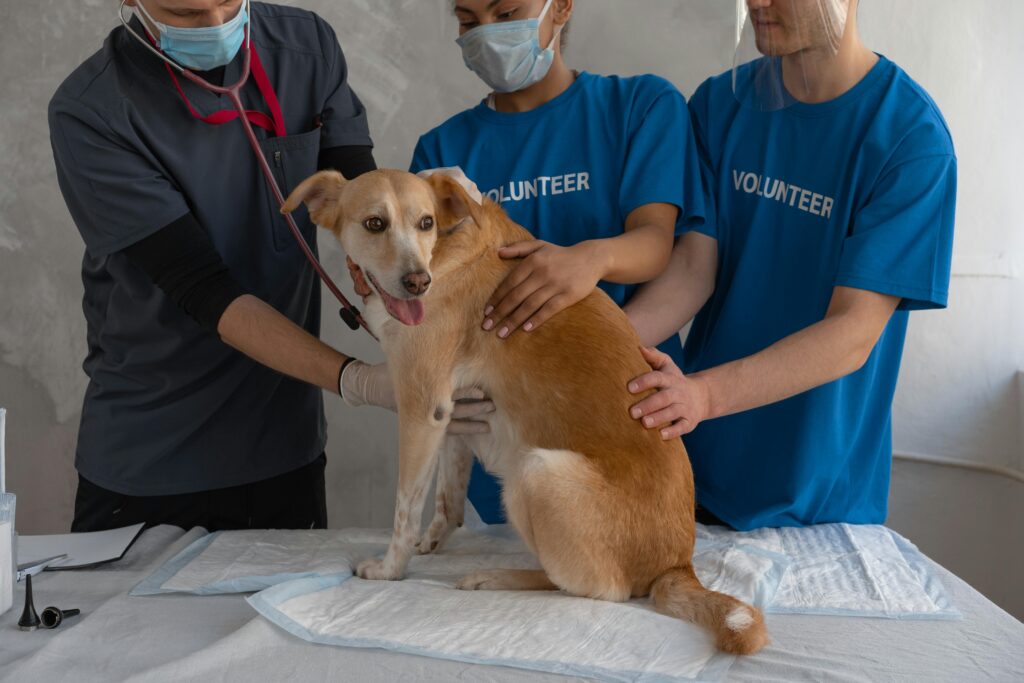
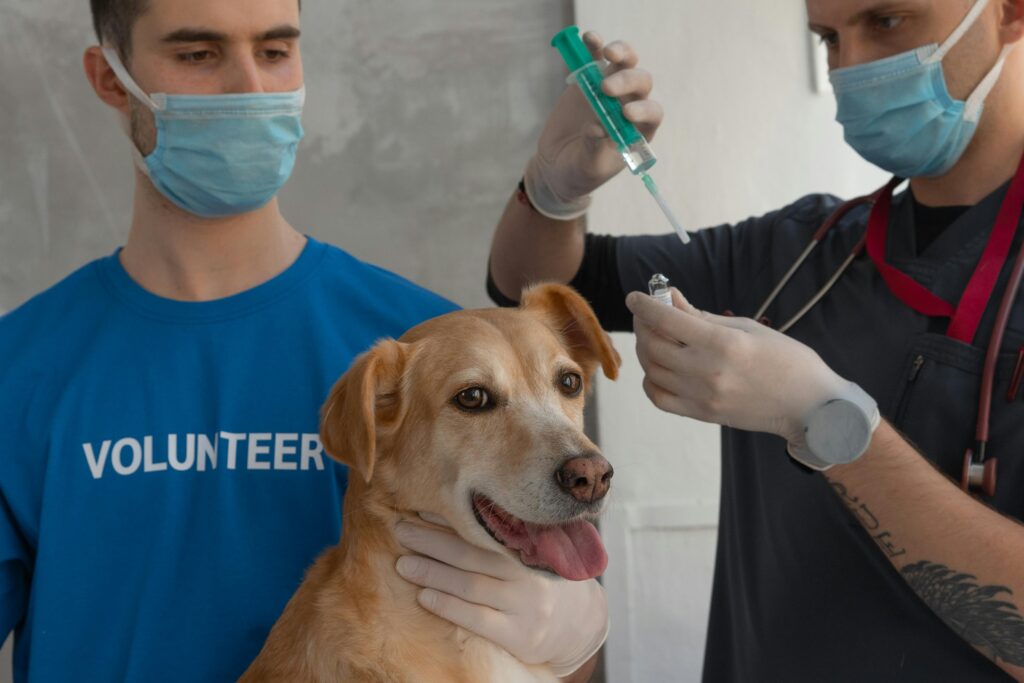
Getting your puppy used to being touched—ears, paws, tail, and mouth—helps with grooming and vet visits. Daily gentle handling teaches puppies that being touched isn’t scary. Many owners follow step-by-step instructions from PetsDogPuppy to build this skill safely.
Rewarding Positive Social Behavior
Every time your puppy responds calmly, greets politely, or explores a new space with confidence, reward the behavior. Positive reinforcement helps puppies understand what actions are good and encourages repetition. This practice leads to steady improvement in social skills.
Allowing Your Puppy to Learn at Their Own Pace
Some puppies are naturally confident, while others take longer. Never rush socialization. Let your puppy explore at their own pace. Slow, consistent practice builds long-term success and helps prevent fear or stress.
Final Thoughts
Puppy social skills get better with patience, repetition, and positive experiences. By exposing your puppy to new people, dogs, environments, and sounds, you help them grow into a confident and well-adjusted companion. With ongoing practice and gentle guidance, your puppy will continue developing strong social skills throughout their early stages.