Training a puppy doesn’t have to feel like hard work or strict discipline. In fact, some of the best puppy training happens when your pup thinks they’re simply playing a fun game. Puppies naturally learn through play, repetition, and positive experiences, which makes training games one of the most effective ways to teach basic commands. When learning feels enjoyable, puppies stay engaged, build confidence, and form a stronger bond with their owners.
At PetsDogPuppy, we believe training should be as joyful as bringing your puppy home for the first time. 🎉 With the right games, you can turn everyday moments into learning opportunities while keeping your pup mentally stimulated and happy.
Puppy training games are especially useful during the early months when attention spans are short and curiosity is high. Instead of long training sessions, games allow your puppy to absorb commands naturally while burning off extra energy. Let’s explore how playful training can help your puppy master essential commands like sit, stay, come, and more — all while having fun. 🐾
Why Games Are Perfect for Puppy Training
Puppies experience the world through movement, exploration, and excitement. Traditional training methods can sometimes feel repetitive or overwhelming, especially for young dogs. Training games work because they align with how puppies naturally learn.
Games encourage repetition without boredom, which is essential for learning commands. When a puppy associates a command with fun and rewards, they are more likely to remember it and respond eagerly. Games also reduce stress and frustration for both the puppy and the owner, creating a positive learning environment built on trust and encouragement.
Another major benefit of training games is mental stimulation. A mentally stimulated puppy is less likely to develop unwanted behaviors such as chewing furniture, excessive barking, or digging. Teaching commands through play keeps their brain busy and focused in a healthy way. 🧠🐶
Getting Started With Puppy Training Games
Before jumping into specific games, it’s important to set the right foundation. Choose a quiet space with minimal distractions, especially in the beginning. Keep training sessions short, ideally 5 to 10 minutes, as puppies can lose focus quickly. Always use positive reinforcement such as treats, praise, or toys to reward good behavior.
Consistency matters more than perfection. Use the same command words and hand signals each time so your puppy doesn’t get confused. Most importantly, keep your energy upbeat and encouraging — your puppy will mirror your mood. 😊
Game 1: Sit-and-Treat Toss
This simple game is perfect for teaching the “sit” command. Start by holding a treat close to your puppy’s nose, then slowly move your hand upward. As your puppy’s head follows the treat, their bottom will naturally lower into a sitting position. The moment they sit, say “sit” and reward them with the treat.
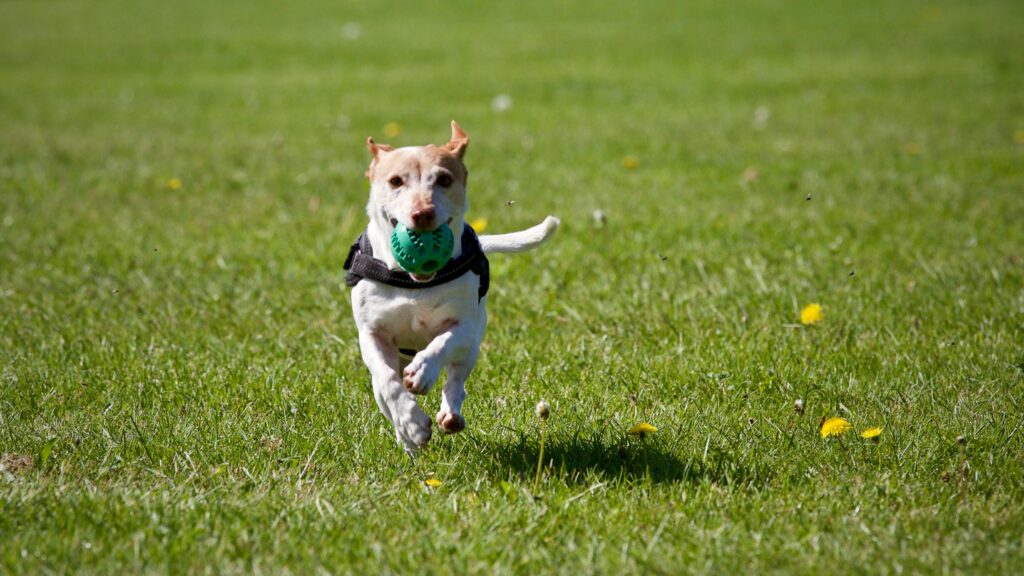
To turn this into a game, gently toss the treat a short distance after each successful sit. When your puppy runs to get it and comes back, repeat the command. This adds movement and excitement while reinforcing the behavior. Over time, your puppy will learn to sit quickly in anticipation of the fun reward.
Game 2: Follow the Leader for Recall Training
Teaching your puppy to come when called is one of the most important commands for safety. This game makes recall training exciting instead of stressful.
Start by crouching down and calling your puppy’s name followed by the word “come” in a happy, enthusiastic voice. When your puppy comes toward you, reward them with praise, treats, or a favorite toy. Then move a few steps away and repeat.
To make the game more engaging, walk around the room or yard and let your puppy “chase” you. This taps into their natural instinct to follow and turns recall training into an interactive adventure. Over time, your puppy will associate the “come” command with excitement and positive attention, a method strongly recommended by PetsDogPuppy for building reliable recall. 🏃♂️🐕
Game 3: Hide and Seek for Focus and Recall
Hide and seek isn’t just for kids — puppies love it too. This game helps strengthen the “come” command while also building focus and problem-solving skills.
Ask your puppy to sit or stay while you hide behind a door, couch, or piece of furniture. Call their name and say “come.” When your puppy finds you, reward them with treats and enthusiastic praise.
This game reinforces listening skills and teaches your puppy to pay attention to your voice, even when they can’t see you. It also builds confidence, especially for shy puppies who benefit from positive exploration.
Game 4: The Name Game for Attention Training
Before teaching advanced commands, your puppy must learn to respond to their name. The name game is a simple yet powerful way to build attention.
Say your puppy’s name in a cheerful tone. When they look at you, immediately reward them. Repeat this several times a day in different environments. Once your puppy consistently responds to their name, it becomes much easier to teach other commands because you have their focus.
This game helps prevent distractions during training and strengthens communication between you and your puppy. 👀🐾
Game 5: Tug-of-War With Rules
Tug-of-war often gets a bad reputation, but when played correctly, it can be an excellent training game. The key is setting clear rules.
Use tug-of-war to teach commands like “take it,” “drop it,” and “wait.” Start the game only when your puppy is calm and listens to your cue. If they become overly excited or start biting hands, pause the game immediately.
By controlling the start and end of the game, your puppy learns impulse control while enjoying physical activity. This structured play helps channel energy in a positive direction and supports obedience training in a fun way.
Game 6: Find the Treat for Problem Solving
This game sharpens your puppy’s mind while reinforcing focus and patience. Hide treats under cups, inside toys, or around a room and encourage your puppy to sniff them out.
You can add simple commands like “wait” before releasing your puppy to search. This teaches self-control while allowing them to use their natural scenting abilities.
Mental games like this are just as important as physical exercise and are often highlighted by PetsDogPuppy as a key part of balanced puppy development. 🧩🐕
Game 7: Stay-and-Move Challenge
Teaching “stay” can be tricky, but turning it into a game makes it easier. Ask your puppy to sit, then say “stay” while taking one small step back. If your puppy holds the position, reward them.
Gradually increase the distance and duration. You can add playful movement, such as clapping or walking in a circle, to help your puppy learn to stay focused despite distractions.
This game builds patience, impulse control, and trust, all of which are essential for good behavior as your puppy grows.
How Often Should You Play Training Games
Short, frequent sessions work best for puppies. Aim for multiple mini training sessions throughout the day rather than one long session. Even five minutes of focused play can make a big difference.
Always end sessions on a positive note, even if progress feels slow. Puppies learn at their own pace, and consistency is more important than speed. Over time, these playful lessons add up to strong obedience skills.
Common Mistakes to Avoid During Training Games
One common mistake is expecting too much too soon. Puppies are still learning how the world works, so patience is essential. Avoid repeating commands too many times without action, as this can teach your puppy to ignore you.
Another mistake is training when your puppy is overly tired or hungry. Choose times when your puppy has enough energy and focus to participate happily. Keep rewards small but exciting, and always celebrate progress, no matter how small.
Building a Strong Bond Through Play
Training games do more than teach commands — they strengthen the emotional bond between you and your puppy. When your puppy associates you with fun, safety, and rewards, trust grows naturally.
This bond makes future training easier and helps prevent behavior problems later in life. Puppies trained through positive games are often more confident, social, and eager to please.
According to PetsDogPuppy, playful training builds lifelong habits while keeping the joy of puppyhood alive. 🧡
Final Thoughts
Puppy training doesn’t need to feel overwhelming or rigid. By turning basic commands into games, you create a learning experience that is fun, effective, and rewarding for both you and your puppy. Training games encourage focus, build confidence, and make obedience feel natural rather than forced.
Every puppy learns differently, so experiment with games and adapt them to your puppy’s personality and energy level. With patience, consistency, and plenty of play, your puppy will master essential commands while enjoying every step of the journey.
For more practical puppy care guides, playful training ideas, and expert-backed advice, PetsDogPuppy continues to be a trusted companion for puppy parents who want to raise happy, well-behaved dogs. 🐶💛