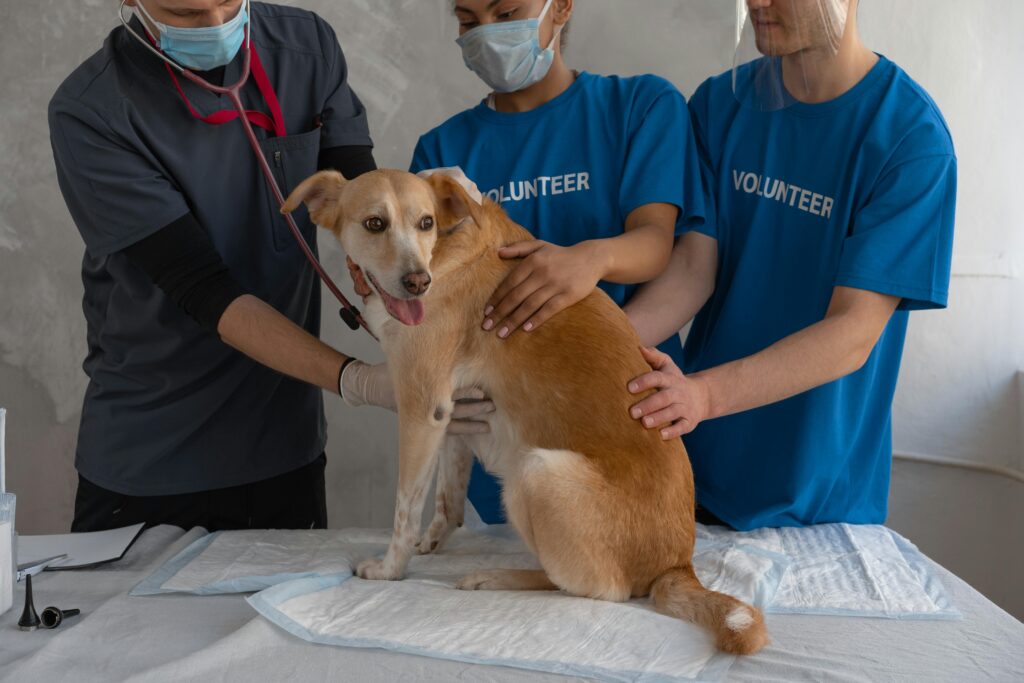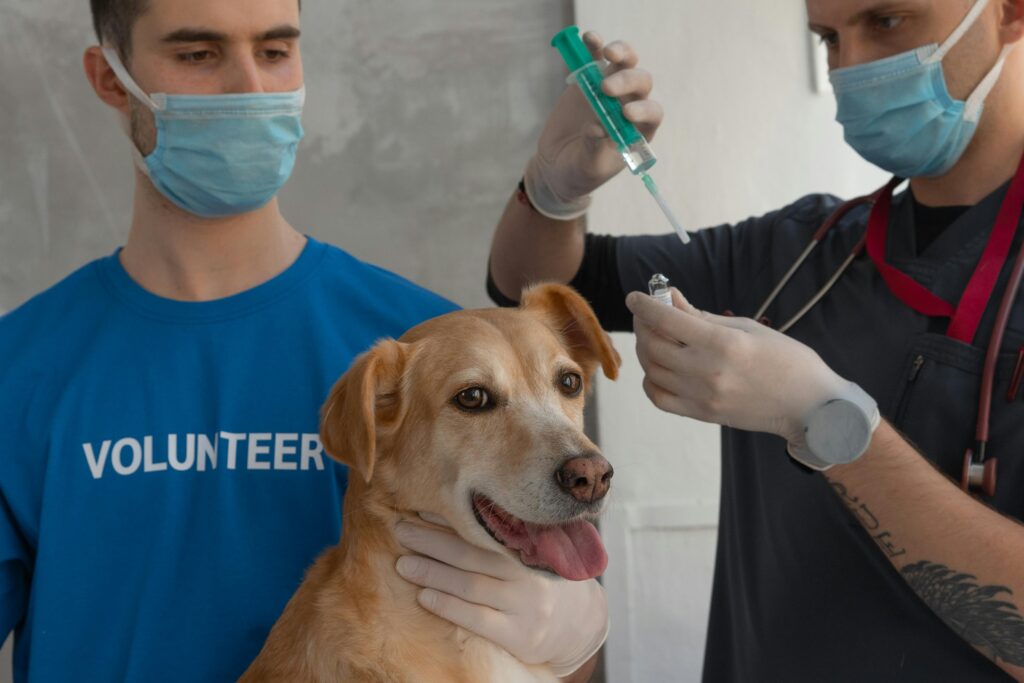
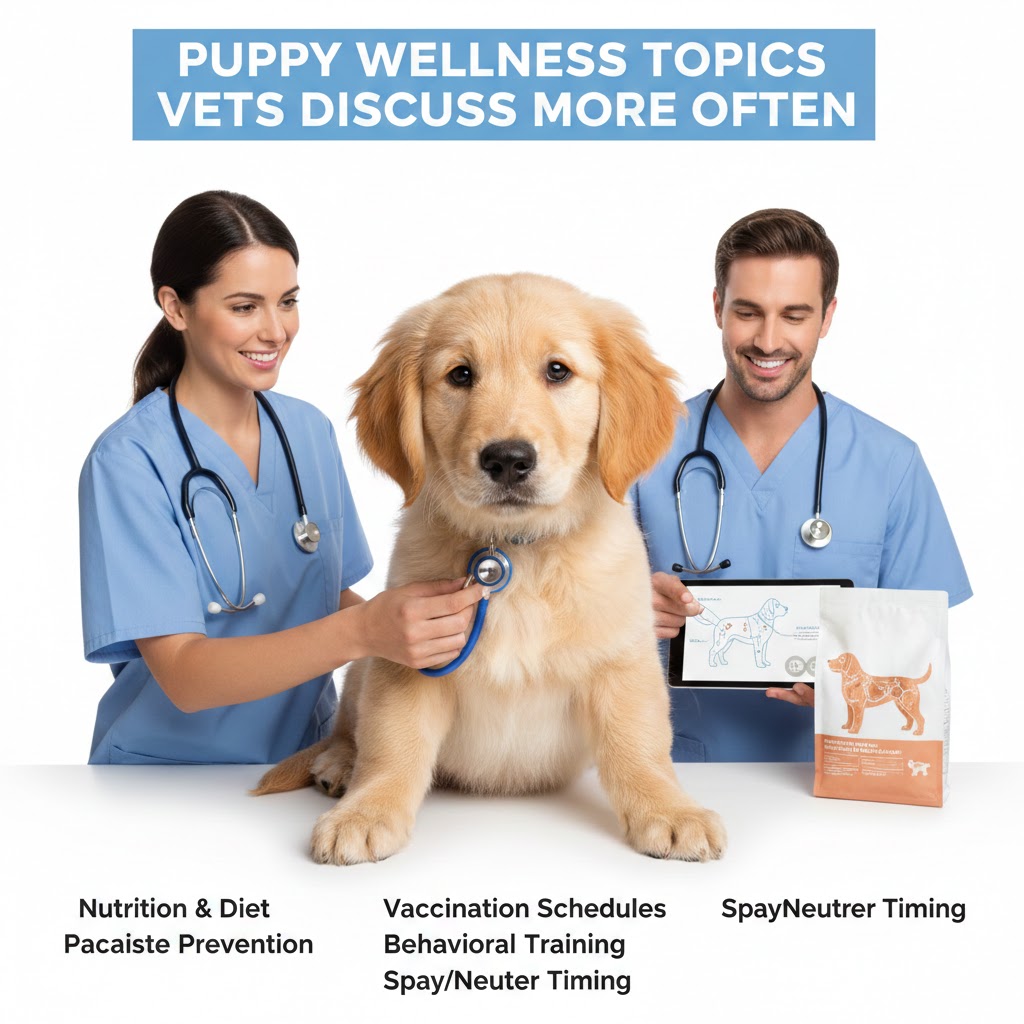
Puppy wellness has become a central topic in veterinary conversations as dog owners grow more proactive about preventive care. Instead of focusing only on vaccinations or illness treatment, veterinarians now spend more time educating owners about everyday habits that shape a puppy’s long-term health. These discussions reflect a shift toward holistic, early-stage wellness rather than reactive care later in life.
Understanding the puppy wellness topics vets discuss more often can help owners make informed decisions during the most critical developmental months.
Balanced Nutrition Beyond Basic Feeding
Veterinarians increasingly emphasize that puppy nutrition is about more than just choosing a popular brand. Discussions now include ingredient quality, portion control, feeding frequency, and how nutrition supports growth rates.
Vets often explain the risks of overfeeding, especially in large-breed puppies, where rapid growth can stress developing joints. They also talk about the importance of life-stage-appropriate food, avoiding adult formulas too early, and ensuring proper calcium and phosphorus balance.
Digestive Health And Gut Balance
Digestive wellness is one of the most common topics in modern puppy checkups. Loose stools, gas, and inconsistent digestion are frequent concerns among new owners.
Veterinarians now discuss gut health as a foundation for immunity and overall wellness. Probiotics, gradual food transitions, and consistent feeding schedules are commonly recommended. Owners are also advised to avoid frequent food switching unless medically necessary, as it can disrupt a puppy’s digestive system.
Parasite Prevention As Ongoing Wellness
Parasite control is no longer viewed as a one-time treatment but as an ongoing part of puppy wellness. Vets routinely discuss prevention strategies for fleas, ticks, heartworms, and intestinal parasites.
These conversations include lifestyle-based risk assessments, such as whether a puppy spends time outdoors, visits dog parks, or lives in high-risk regions. Preventive plans are tailored rather than generic, helping owners understand why year-round protection matters.
Dental Health Starting In Puppyhood
Dental care is another topic vets now raise much earlier than in the past. Instead of waiting until adult teeth problems appear, veterinarians talk to owners about building dental habits during puppyhood.
This includes discussing teething, appropriate chew toys, early tooth brushing, and how oral health affects overall wellness. Vets explain that gum disease can impact the heart, kidneys, and liver later in life, making early prevention essential.
Joint And Bone Development Awareness
Joint health discussions are becoming more common, especially for medium and large-breed puppies. Veterinarians talk about growth rates, appropriate exercise levels, and avoiding activities that strain developing joints.
Topics often include safe play surfaces, limiting repetitive jumping, and the role of nutrition in bone development. These conversations help owners balance physical activity with protection during rapid growth phases.
Behavioral Wellness And Mental Health
Puppy wellness is no longer limited to physical health. Mental and emotional well-being are now regular topics during vet visits.
Veterinarians discuss early socialization, fear prevention, confidence building, and how stress affects behavior. They often explain that anxiety, excessive barking, or destructive habits can be linked to unmet mental needs rather than disobedience.
Resources like PetsDogPuppy help reinforce these conversations by offering practical guidance that supports both physical and emotional puppy wellness.
Sleep And Rest As Health Factors
Vets are increasingly asking owners about their puppy’s sleep habits. Rest is now recognized as a major contributor to healthy development, immune function, and behavior regulation.
Veterinarians explain how overtired puppies may appear hyperactive or poorly behaved, when the real issue is lack of rest. Owners are guided on nap schedules, bedtime routines, and recognizing signs of overstimulation.
Vaccination Timing And Immune Support
Vaccinations remain a cornerstone of puppy care, but conversations have become more detailed and personalized. Vets now spend time explaining why vaccines are given in stages and how maternal antibodies affect timing.
There is also increased discussion about supporting the immune system through proper nutrition, stress reduction, and avoiding high-risk exposure before vaccine series completion.
Weight Monitoring And Body Condition Scoring
Rather than relying only on scale weight, veterinarians now educate owners about body condition scoring. This visual and hands-on method helps determine whether a puppy is underweight, ideal, or overweight.
Vets explain how excess weight during puppyhood can affect joints, stamina, and long-term metabolic health. Regular monitoring allows early adjustments to feeding and activity levels.
Skin And Coat Health As Indicators
Skin and coat condition are increasingly used as indicators of internal health. Veterinarians discuss common issues such as dryness, itching, and excessive shedding in puppies.
These conversations often lead to discussions about diet quality, fatty acid intake, allergies, and grooming practices. Owners learn that visible coat issues may signal deeper nutritional or environmental concerns.
Socialization And Disease Prevention Balance
Vets now guide owners on balancing socialization with disease prevention. While early exposure to people, sounds, and environments is important, improper exposure to unvaccinated dogs or unsafe areas can pose risks.
Veterinarians help owners identify safe socialization opportunities that support behavioral development without compromising health.
Neutering And Spaying Timing Discussions
The timing of spaying and neutering has become a more nuanced topic. Instead of a one-size-fits-all recommendation, vets discuss factors such as breed, size, growth patterns, and lifestyle.
These discussions help owners understand how timing can affect hormones, joint health, and behavior, allowing for informed decision-making.
Preventive Care Planning Instead Of Reactive Visits
Veterinary conversations now focus heavily on preventive care planning. Rather than visiting only when problems arise, vets encourage scheduled wellness checks that monitor development over time.
This proactive approach allows early detection of issues and builds a health baseline for each puppy.
Educational platforms like PetsDogPuppy complement veterinary advice by helping owners stay consistent between clinic visits.
Owner Education And Lifestyle Alignment
Veterinarians increasingly view owner education as part of puppy wellness. Discussions include realistic expectations, time commitment, training consistency, and aligning care routines with the owner’s lifestyle.
This approach reduces frustration, improves compliance, and supports healthier outcomes for puppies.
Long Term Wellness Starts Early
A key theme in veterinary discussions is that puppyhood sets the stage for adult health. Decisions made during the first year can influence mobility, immunity, digestion, and behavior for life.
Vets emphasize that wellness is cumulative, built through daily habits rather than occasional treatments.
Final Thoughts On Puppy Wellness Conversations
Puppy wellness topics vets discuss more often reflect a broader shift toward proactive, whole-life care. From nutrition and digestion to mental health and preventive planning, veterinary guidance now extends far beyond basic checkups.
By staying informed and engaged in these conversations, puppy owners can build a strong foundation for lifelong health. Understanding what veterinarians prioritize helps owners partner more effectively in their puppy’s care and ensures that wellness remains a daily practice rather than an afterthought.