Dog breeding can be a fulfilling experience, but it carries serious responsibility. Whether you’re breeding for the first time or simply considering it, understanding ethical breeding practices is essential for ensuring the health and well-being of both parent dogs and their puppies.
1. Understand Genetics and Health Testing
Before breeding, both the sire and dam should undergo comprehensive health screenings. These may include:
- Tests for hip and elbow dysplasia
- Genetic screening for breed-specific conditions
- Comprehensive eye and cardiac evaluations
Responsible breeders avoid pairing dogs with known hereditary health problems in order to reduce the risk of passing them to the next generation.
2. Know the Breed Standard
Each recognized dog breed has a standard that defines ideal physical and behavioral traits. Responsible breeders study and adhere to these standards, aiming to improve or maintain the quality of the breed rather than breeding indiscriminately.
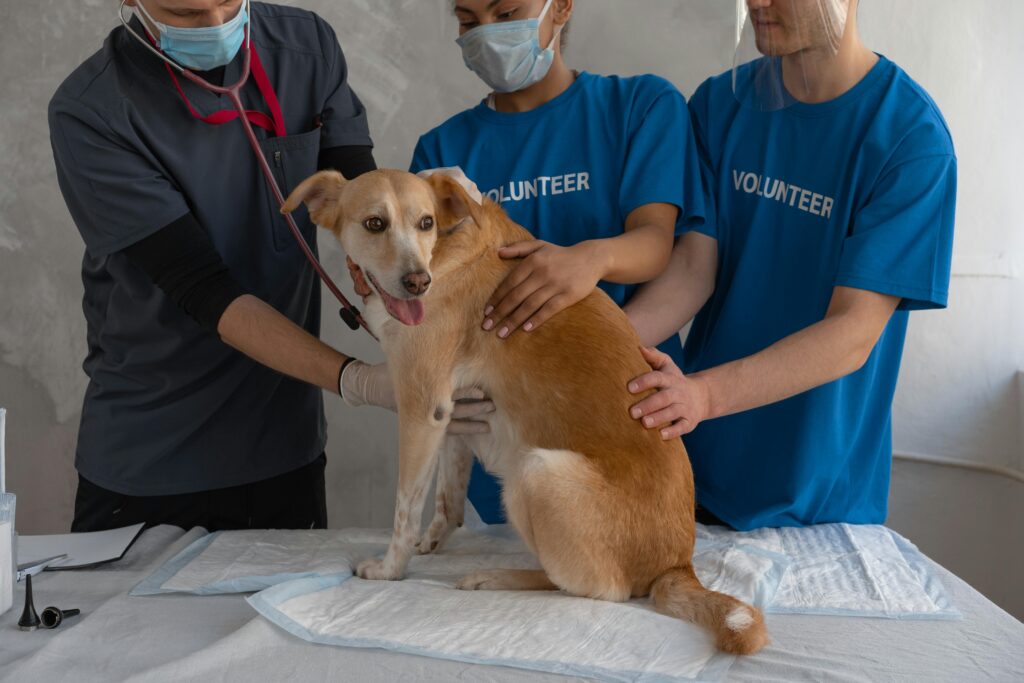
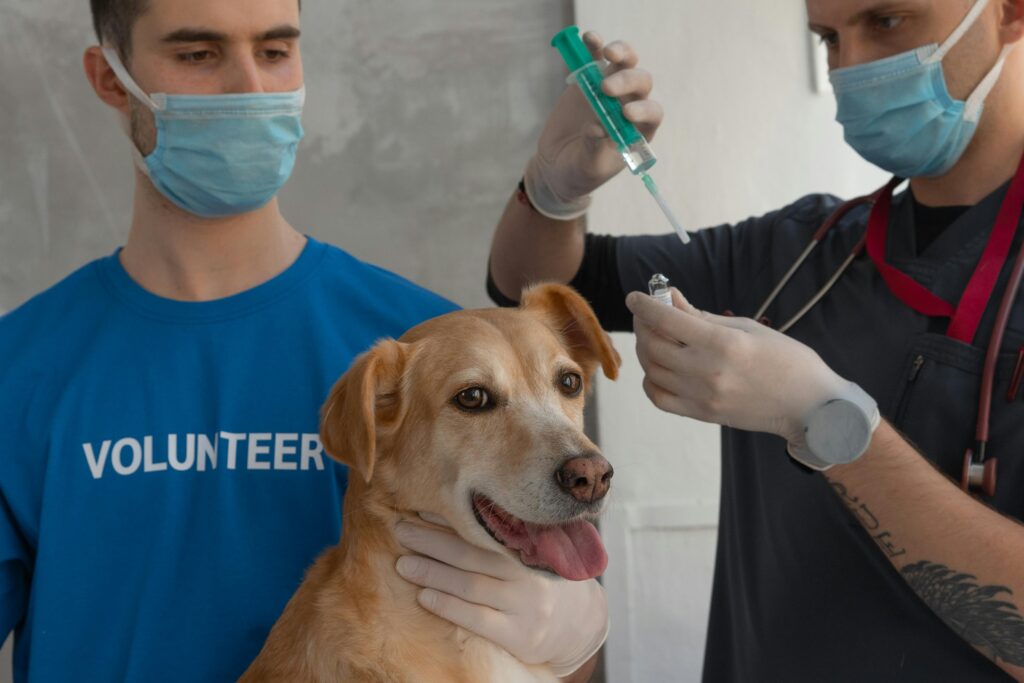
3. Prepare for Veterinary Care
Dog breeding involves a significant level of veterinary oversight. This includes:
- Pre-breeding health evaluations
- Prenatal care and monitoring
- Emergency support during labor
- Postnatal care for the mother and her litter
Unexpected medical expenses, such as emergency C-sections or infections, are common. Adequate financial preparation is necessary.
4. Set Up a Safe and Clean Whelping Area
The whelping space should be quiet, secure, and hygienic. Ideal conditions include:
- A whelping box lined with clean, comfortable bedding
- Consistent, appropriate temperature and humidity
- Minimal exposure to noise and foot traffic
Creating a stress-free environment is essential for both mother and pups.
5. Breed at the Right Time
Avoid breeding dogs that are too young or breeding too frequently. Veterinarians typically recommend:
- Waiting until the female is at least two years old
- Allowing recovery between heat cycles
- Retiring dogs from breeding after several litters or at around six years of age
This ensures the health and longevity of the breeding female.
6. Begin Early Socialization
Puppy development begins at birth. In the first eight weeks, breeders should:
- Handle puppies regularly
- Expose them to household sounds and environments
- Introduce basic crate training and human interaction
Well-socialized puppies are more adaptable and better prepared for their future homes.
7. Screen Potential Puppy Owners
Ethical breeders take care to place puppies in suitable homes. This involves:
- Interviewing prospective owners
- Providing guidance and ongoing support
- Including a return policy for dogs that cannot be kept
Thorough screening helps ensure each puppy is placed in a responsible and loving environment.
8. Continue Your Education
Responsible breeding is an ongoing commitment. Staying informed through breeder associations, seminars, and veterinary publications will help you grow as a breeder and make informed decisions.
Final Thoughts
Responsible dog breeding is more than simply producing puppies—it is a long-term dedication to animal welfare, breed improvement, and ethical care. If you are willing to invest the time, resources, and education required, you can play a valuable role in the preservation and betterment of your chosen breed. PetsDogPuppy