
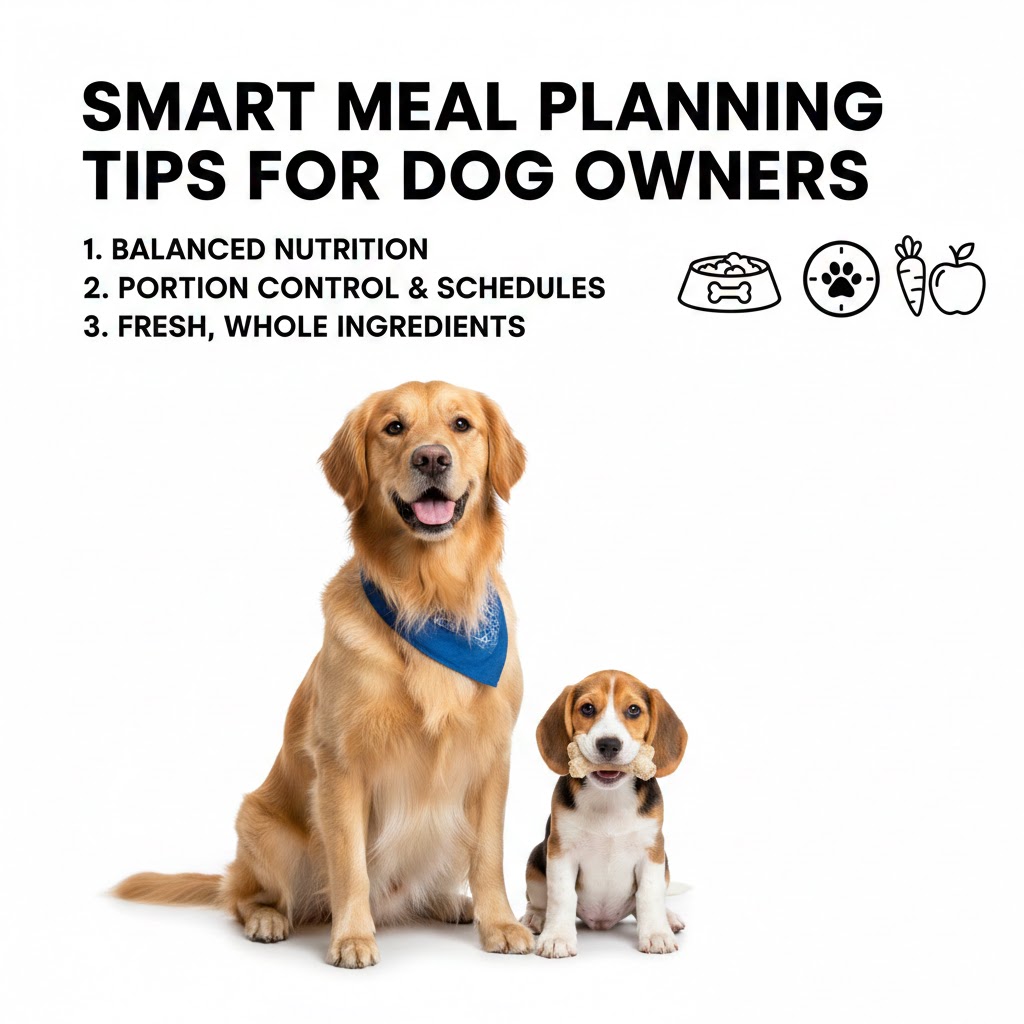
Feeding your dog well is one of the most important responsibilities of pet ownership, yet it’s also one of the areas where many owners feel confused or overwhelmed. With so many food options, feeding schedules, and nutritional opinions available, meal planning can feel complicated. Smart meal planning removes the guesswork and helps ensure your dog receives consistent, balanced nutrition that supports long-term health, energy, and happiness.
This guide explains how dog owners can plan meals more effectively, save time, avoid common feeding mistakes, and create routines that work for both pets and busy lifestyles.
Why Meal Planning Matters for Dogs
Dogs thrive on routine and consistency. When meals are planned properly, digestion improves, energy levels stay balanced, and behavioral issues linked to hunger or irregular feeding often decrease. Poor planning, on the other hand, can lead to overfeeding, underfeeding, obesity, nutrient deficiencies, or digestive problems.
Meal planning is not about strict rules or expensive food. It’s about understanding your dog’s needs and creating a realistic system that fits into daily life. Many dog owners discover through PetsDogPuppy that small improvements in meal structure can lead to noticeable changes in overall well-being.
Understanding Your Dog’s Nutritional Needs
Every dog is different. Age, breed, size, activity level, and health conditions all influence nutritional requirements. Puppies need calorie-dense food to support growth, adult dogs require balanced maintenance diets, and senior dogs often benefit from lower-calorie meals with joint support.
Active dogs burn more energy and may need higher protein intake, while less active dogs require careful portion control. Before planning meals, it’s essential to understand where your dog fits in these categories. This knowledge forms the foundation of smart meal planning.
Choosing the Right Food Type
Dog owners today can choose from dry kibble, wet food, fresh meals, homemade diets, or subscription-based plans. Each option has advantages and limitations.
Dry food is convenient, affordable, and easy to store. Wet food can be more palatable and hydrating. Fresh or homemade meals offer ingredient control but require more preparation and planning. Subscription meals provide convenience and portion control but may cost more.
The best choice is the one that suits your dog’s health needs and your lifestyle. Smart planning means choosing a food you can consistently provide rather than switching frequently.
Creating a Consistent Feeding Schedule
Dogs feel more secure when meals are predictable. Feeding at the same times every day helps regulate digestion and reduces anxiety-driven behaviors such as begging or food guarding.
Most adult dogs do well with two meals a day, while puppies need three to four meals depending on age. Senior dogs may benefit from smaller, more frequent meals. Once a schedule is established, stick to it as closely as possible.
Busy owners often underestimate how much consistency helps dogs adapt calmly to daily routines.
Portion Control and Measuring Meals
One of the most common feeding mistakes is inaccurate portion sizing. Guessing amounts or filling bowls “by eye” often leads to overfeeding. Measuring meals using a scoop or scale ensures your dog gets the right quantity every time.
Portion sizes should be adjusted based on weight changes, activity levels, and seasonal routines. Regular weigh-ins and body condition checks help keep feeding plans accurate.
Owners who plan meals ahead tend to avoid accidental overfeeding and unnecessary treats.
Planning Treats Without Disrupting Nutrition
Treats are an important part of training and bonding, but they should never replace balanced meals. Smart meal planning includes accounting for treats as part of daily calorie intake.
Healthy treats like small pieces of fruit, vegetables, or single-ingredient snacks work well. Treat portions should remain limited and predictable. Planning treat use prevents guilt-based feeding and helps maintain healthy weight.
Meal planning doesn’t mean eliminating treats, it means using them intentionally.
Mixing Commercial and Homemade Meals Safely
Some dog owners prefer combining commercial food with homemade additions. This can work well if done carefully. Plain cooked meats, vegetables, or grains can enhance meals, but seasoning, oils, and unsafe foods must be avoided.
Planning these additions ahead of time prevents last-minute improvisation that could harm digestion. Consistency is key. Dogs adjust better when meals remain similar each day.
Guides available on PetsDogPuppy often emphasize gradual changes and balance when mixing food types.
Preparing Meals in Advance
Meal prepping isn’t just for humans. Preparing dog meals in advance saves time and ensures consistency throughout the week. Portioning food into containers or freezer bags reduces daily effort and prevents skipped or rushed feeding.
This approach is especially helpful for owners with unpredictable schedules. When meals are ready, feeding stays on track even during busy days.
Advance planning also reduces reliance on last-minute feeding decisions that often lead to unhealthy choices.
Adjusting Meals Based on Life Changes
Dogs’ needs change over time. Growth, aging, changes in activity, health conditions, or lifestyle shifts all require meal adjustments. Smart planning includes reviewing feeding routines every few months.
If your dog gains weight, slows down, or becomes more active, meal portions and ingredients may need to change. Planning flexibility prevents long-term issues and supports healthy aging.
Owners who revisit meal plans regularly tend to notice early signs of dietary imbalance.
Avoiding Common Meal Planning Mistakes
Many well-meaning owners unintentionally make mistakes such as feeding too many table scraps, changing foods too often, or relying on treats for emotional bonding. These habits can disrupt nutrition and lead to digestive or behavioral issues.
Another mistake is ignoring hydration. Fresh water should always be part of the feeding plan, especially for dogs eating dry food.
Smart planning focuses on long-term habits rather than short-term convenience.
Budget-Friendly Meal Planning Strategies
Good nutrition does not have to be expensive. Buying food in bulk, choosing balanced mid-range brands, and limiting unnecessary supplements can reduce costs. Planning meals helps avoid waste and emergency purchases that often cost more.
Homemade additions, when used correctly, can stretch commercial food without compromising nutrition. A planned approach saves money while maintaining quality.
Supporting Health Through Meal Planning
Meal planning plays a role in coat health, digestion, energy levels, and immune strength. Dogs fed consistently balanced meals often show better behavior, improved focus during training, and fewer digestive problems.
Owners who invest time in planning meals often feel more confident and less stressed about feeding decisions.
Final Thoughts
Smart meal planning is one of the most effective ways to support your dog’s health and simplify daily care. By understanding nutritional needs, choosing suitable food options, creating consistent schedules, and planning ahead, dog owners can eliminate feeding stress and build healthier routines.
Meal planning is not about perfection. It’s about consistency, awareness, and realistic habits that work over time. With thoughtful planning, every meal becomes an opportunity to support your dog’s well-being, strengthen your bond, and ensure a healthier future together.