
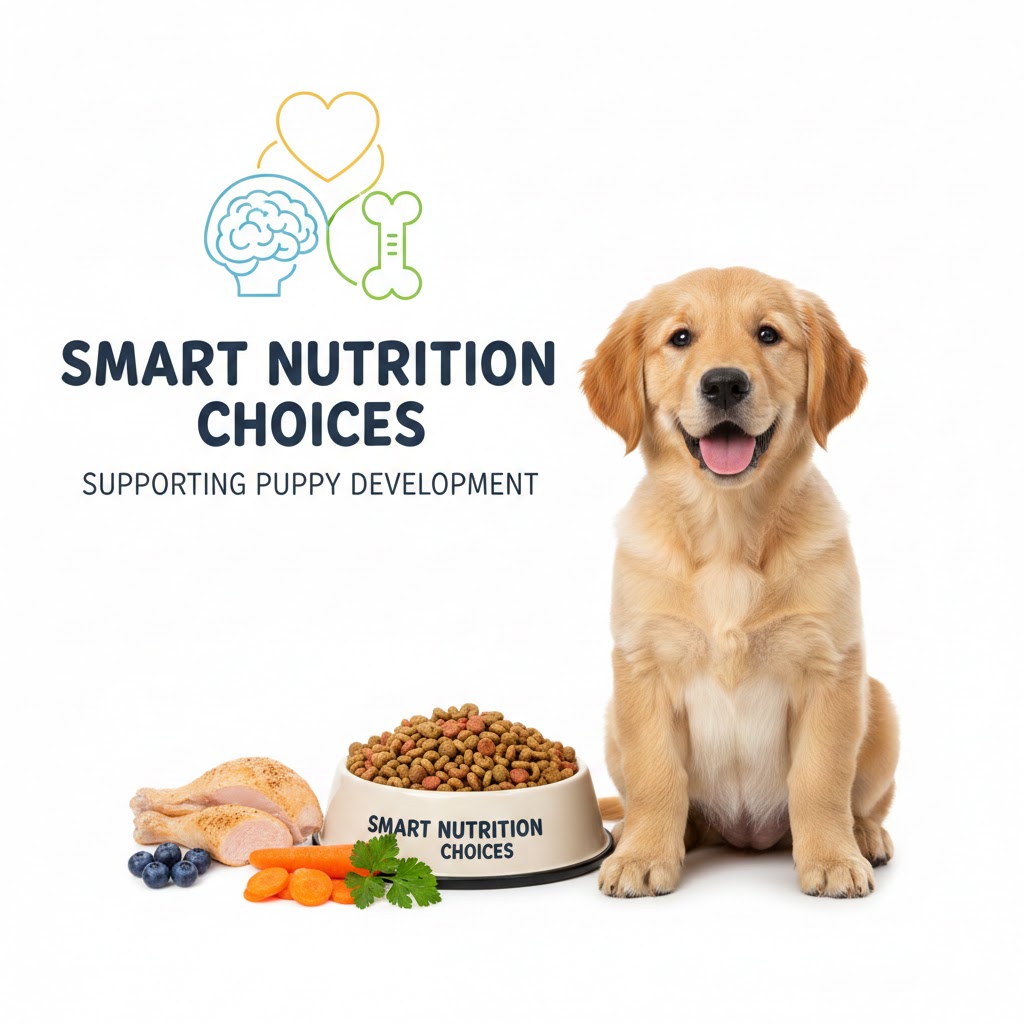
Growing puppies need the right balance of nutrients to build strong bones, healthy muscles, and a strong immune system. Making smart nutrition choices early in their life ensures they grow into healthy, active adult dogs. Many new owners feel unsure about what to feed their puppies, but with a little guidance, choosing the right nutrition becomes simple and stress-free.
Understanding What Puppies Need During Growth
Puppies have different nutritional requirements than adult dogs. They need more protein, healthy fats, vitamins, and minerals because their bodies are developing rapidly. Proper nutrition helps support brain development, digestive health, and energy levels. Following trusted sources like PetsDogPuppy makes understanding these needs much easier for new puppy parents.
Choosing High-Quality Protein Sources
Protein is essential for muscle development and overall growth. Foods that list real chicken, turkey, fish, or lamb as the first ingredient provide excellent protein. These proteins are easier for puppies to digest and help them stay active throughout the day. Avoid foods that rely heavily on by-products or fillers.
Including Healthy Fats for Energy and Brain Development
Healthy fats play a major role in supporting a puppy’s energy levels and brain development. Ingredients like fish oil, flaxseed, and chicken fat provide essential fatty acids that improve coat shine, boost immunity, and enhance cognitive function. Puppies fed balanced fats often show better learning and responsiveness during training.
Ensuring a Balanced Intake of Vitamins and Minerals
Calcium, phosphorus, DHA, antioxidants, and vitamins A and E are crucial for strong bones, joint health, and vision development. A complete puppy formula usually contains these nutrients in the right ratios. Avoid supplementing excessively unless recommended by a veterinarian.
Choosing Age-Appropriate Puppy Food
Feeding adult dog food to puppies can lead to nutritional imbalances. Always choose formulas specifically made for puppies, which support rapid growth. Small-breed, medium-breed, and large-breed puppies may require different formulas based on their growth patterns.
Mixing Healthy Homemade Foods for Extra Nutrition
Simple homemade additions like boiled eggs, pumpkin, sweet potatoes, rice, or cooked chicken can be mixed with kibble to improve flavor and nutritional value. These additions help with digestion and provide natural vitamins. Ensure all homemade foods are unseasoned and introduced gradually.
Maintaining a Consistent Feeding Schedule
A proper feeding routine helps regulate digestion and energy levels. Puppies usually need three to four meals per day, depending on age and breed. Consistency also prevents overeating and keeps the puppy’s metabolism stable.
Avoiding Common Feeding Mistakes
Overfeeding and underfeeding can both impact a puppy’s health. Free-feeding should be avoided, as it can lead to weight gain. Feeding too little can slow down growth and reduce immunity. Checking portions and monitoring weight regularly help maintain healthy growth.
Final Thoughts
Supporting your puppy’s development starts with smart nutrition choices. High-quality protein, balanced fats, essential vitamins, and consistent feeding habits all contribute to strong, healthy growth. Guidance from reliable sources like PetsDogPuppy helps owners make confident decisions as their puppies grow. With the right nutrition, your puppy can enjoy a healthy, energetic, and happy life.