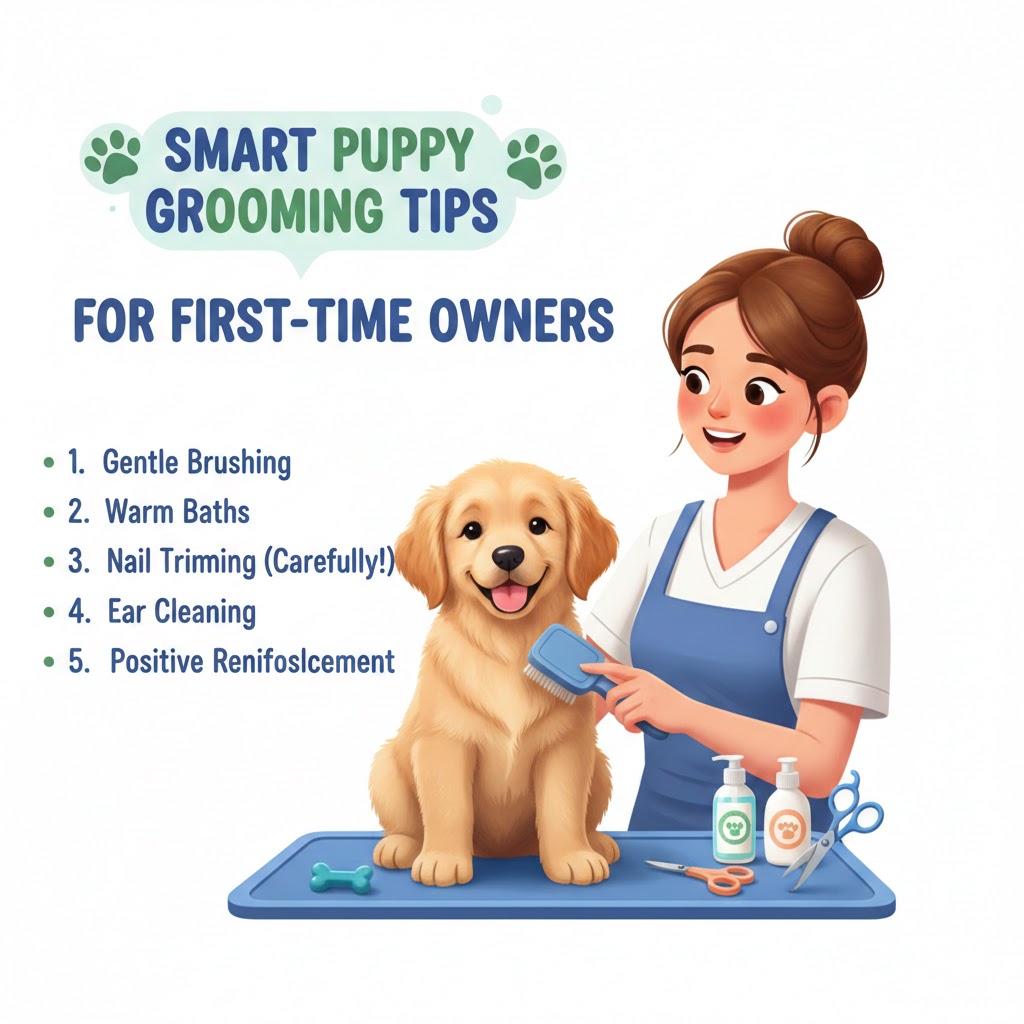
Grooming is an essential part of raising a healthy, happy puppy. For first-time owners, understanding when and how to groom can feel overwhelming, but with the right approach, it becomes an enjoyable bonding experience. Proper grooming not only keeps your puppy clean but also supports skin health, reduces shedding, and helps them get comfortable with daily handling.
Introducing Your Puppy to Grooming Early
The best time to start grooming is when your puppy is young. Early exposure helps them adapt to being brushed, bathed, and touched around sensitive areas like paws and ears. Keep sessions short and positive at the beginning. Offering treats and gentle praise builds trust and makes grooming a routine your puppy can look forward to.
Choosing the Right Grooming Tools
Different puppies need different tools depending on their coat type. Short-coated breeds do well with soft bristle brushes, while long-coated breeds require slicker brushes or combs to prevent tangles. Nail clippers, gentle puppy shampoo, grooming wipes, and ear cleaners are essential for all breeds. Owners often find tool recommendations on PetsDogPuppy to help them select the right products confidently.
Bathing Your Puppy the Safe and Easy Way
Puppies should be bathed with mild, puppy-safe shampoo to protect their delicate skin. Use lukewarm water and keep baths brief to prevent stress. Always dry your puppy thoroughly, especially in colder weather. Bathing too often can strip natural oils, so stick to once every three to four weeks unless your puppy gets particularly dirty.
Keeping Your Puppy’s Coat Clean and Tangle-Free
Regular brushing is important for all coat types. It removes loose fur, prevents mats, and spreads natural oils that keep the coat shiny. Long-haired puppies benefit from brushing a few times a week, while short-haired breeds may need quick brushing sessions once or twice weekly. Brushing also helps you check for fleas, ticks, or skin issues early.
Nail Trimming and Paw Care Tips
Puppy nails grow quickly, and long nails can cause discomfort or difficulty walking. Trim nails slowly and carefully, avoiding the sensitive quick. If you’re unsure, ask a groomer or vet to show you the proper method. Keeping paws clean and checking for small cuts or debris is also an important part of grooming.
Cleaning Ears and Maintaining Good Hygiene
Many puppies are prone to ear buildup, especially floppy-eared breeds. Use a vet-approved ear cleaner and cotton pads to gently remove dirt and wax. Never push deep inside the ear canal. Regular ear cleaning prevents infections and keeps your puppy comfortable. Good hygiene also includes brushing teeth, wiping eyes, and keeping the surrounding areas clean.
Making Grooming a Stress-Free Routine
Consistency helps puppies understand what to expect during grooming. Choose a calm time of day, keep movements gentle, and reward good behavior. Short, frequent grooming sessions reduce anxiety and build positive habits. Over time, grooming becomes a natural part of your puppy’s day.
Final Thoughts
Grooming is more than just keeping your puppy tidy; it supports health, comfort, and overall well-being. With the right tools, gentle handling, and a steady routine, first-time owners can confidently manage every aspect of grooming. Resources on PetsDogPuppy offer helpful tips and product suggestions for smoother grooming experiences, ensuring your puppy grows into a clean and happy companion.