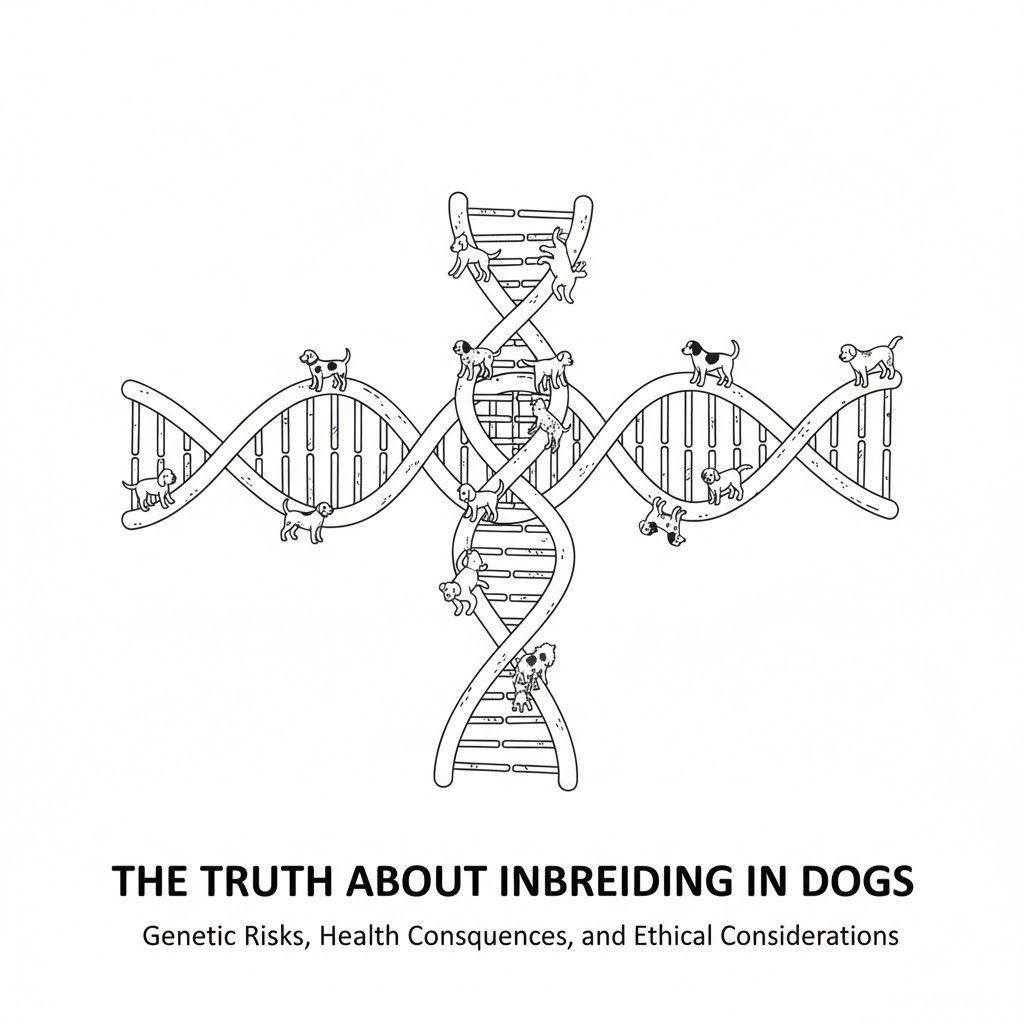
Inbreeding in dogs is a controversial topic that raises important questions about health, genetics, and the long-term effects on breed integrity. While some level of linebreeding (mild inbreeding) has been used to preserve desirable traits, excessive or irresponsible inbreeding can result in serious health and behavioral problems. Understanding the risks and realities of inbreeding is essential for any breeder or dog enthusiast.
What Is Inbreeding?
Inbreeding occurs when two closely related dogs—such as siblings, parents and offspring, or cousins—are bred together. The goal is often to fix certain traits in a bloodline, such as coat color, body shape, or temperament.
There are different forms:
- Close inbreeding: Parent to offspring or sibling to sibling
- Linebreeding: Mating more distantly related dogs within the same family (e.g., grandparent to grandchild)
- Outcrossing: Breeding unrelated dogs, used to introduce genetic diversity
While linebreeding is sometimes practiced under careful supervision, close inbreeding is widely discouraged.
Why Inbreeding Is Practiced
Historically, breeders have used inbreeding to:
- Maintain purity within a breed
- Emphasize traits considered ideal by kennel clubs
- Preserve winning bloodlines in show dogs
However, this approach can come at a significant cost to the dog’s health if not done responsibly.
The Hidden Dangers of Inbreeding
Excessive inbreeding reduces genetic diversity and increases the risk of:
- Inherited diseases: Conditions such as hip dysplasia, epilepsy, and heart defects become more common
- Weakened immune systems: Inbred dogs are more susceptible to infections and chronic illnesses
- Infertility and reproductive issues: Poor litter size and high puppy mortality rates are often reported
- Behavioral problems: Anxiety, aggression, or nervousness may become more prevalent
According to veterinary studies, many purebred dogs suffer from genetic disorders linked to generations of inbreeding.
How to Identify Inbreeding
Some signs that a dog may be the product of inbreeding include:
- Repetitive health problems in the bloodline
- Physical deformities or developmental delays
- Reduced fertility or repeated pregnancy complications
Responsible breeders use genetic testing and pedigree analysis to avoid repeating these issues.
The Role of DNA Testing
Modern breeders can now test dogs for over 200 inherited conditions. DNA testing helps identify:
- Carriers of recessive diseases
- Genetic diversity within a breeding pool
- Potential pairings that minimize health risks
Using this technology is essential for breeding healthy litters and avoiding unethical inbreeding practices.
Promoting Genetic Diversity
To protect the long-term health of a breed, it’s important to:
- Introduce new bloodlines (outcrossing)
- Collaborate with other breeders
- Track health history through registries and breed databases
Some kennel clubs are now encouraging the use of genetically diverse breeding programs to reverse the negative effects of closed gene pools.
Conclusion
Inbreeding in dogs is a practice that requires caution, education, and responsibility. While it may preserve specific traits, the risks to health and temperament can be severe when genetic diversity is sacrificed. The future of responsible breeding lies in transparency, genetic science, and a commitment to the well-being of the animals. PetsDogPuppy