Puppy Nap Schedule by Age: The Ideal Sleep Routine for a Growing Puppy
If you’re raising a young puppy, you may find yourself wondering, “Why does my puppy sleep so much?” or “How many naps should my puppy take?”
Puppies are growing rapidly, learning new skills, exploring their surroundings, and using enormous amounts of energy. Because of this, sleep is just as important as food, play, training, and socialization.
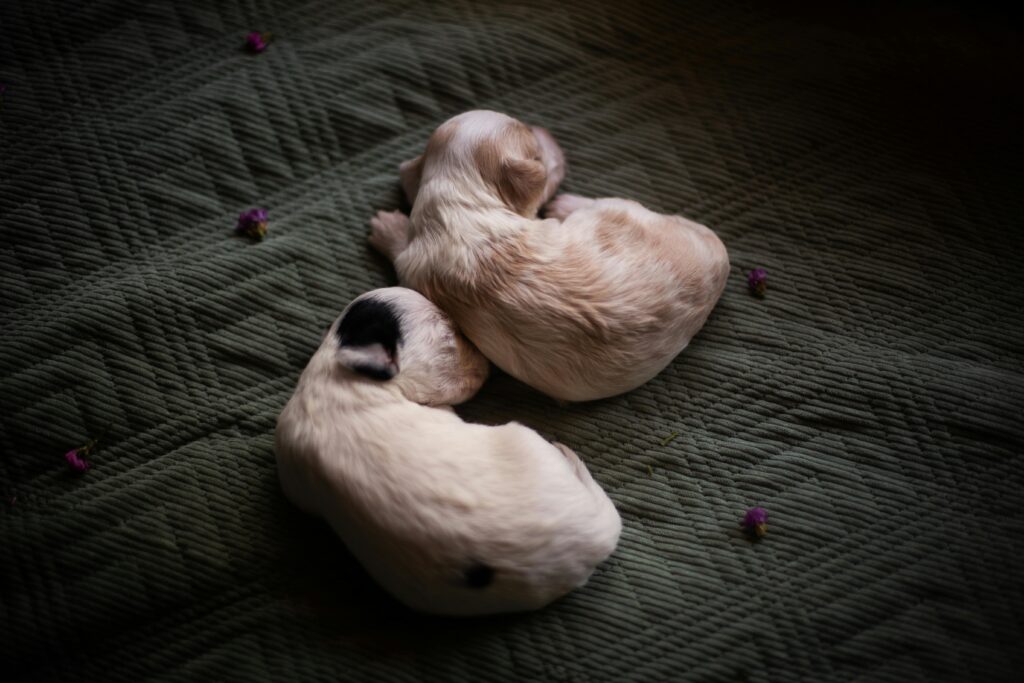
In fact, young puppies can sleep for roughly 18 to 20 hours in a 24-hour period, including nighttime sleep and daytime naps. Their sleep is usually divided into several naps rather than one long daytime rest period.
Creating an age-appropriate puppy nap schedule can help your puppy get enough rest while also making your daily routine easier to manage. A predictable rhythm can support potty training, crate training, learning, playtime, and calmer behavior.
The key is not to follow a rigid clock. Instead, use your puppy’s age, behavior, activity level, and natural sleep patterns to build a routine that works for both of you.
Quick Answer: How Much Sleep Does a Puppy Need?
Most young puppies need a lot of sleep.
A general guide is:
| Puppy Age | Approximate Total Sleep | Typical Daytime Rest |
|---|---|---|
| 8–10 weeks | 18–20 hours | Several naps throughout the day |
| 11–14 weeks | 18–20 hours | Frequent naps between activities |
| 15–20 weeks | Around 16–18+ hours | Several daytime naps |
| 5–6 months | Around 16–18 hours | Fewer but often longer naps |
| 7–12 months | Gradually decreasing | Rest periods as needed |
These are guidelines, not strict requirements. Breed, size, activity, health, temperament, and individual development can all affect how much sleep a puppy needs.
If your puppy occasionally sleeps more or less than the average but otherwise eats, plays, learns, and behaves normally, there may be no reason to worry.
Why Do Puppies Need So Much Sleep?
One of the biggest surprises for new puppy owners is how much time their puppy spends sleeping.
A puppy’s body and brain are developing rapidly. Sleep gives them time to recover from physical activity and process the enormous amount of information they encounter every day.
Adequate rest supports:
- Brain and nervous-system development
- Muscle and physical growth
- Learning and memory
- Emotional regulation
- Recovery after play and exercise
- Healthy immune function
- Better behavior
Think of sleep as part of your puppy’s development rather than wasted time.
When puppies are awake, they may be learning their name, exploring the house, meeting new people, practicing commands, playing with toys, and experiencing unfamiliar sights and sounds.
All of that stimulation takes energy.
That’s why a puppy who looks ready to play one minute may suddenly fall asleep the next.
Puppy Nap Schedule by Age
Your puppy’s nap needs will change as they grow.
Rather than expecting the same schedule for several months, adjust the routine gradually as your puppy becomes capable of staying awake longer.
8–10 Week Puppy Nap Schedule
At 8–10 weeks, your puppy is still very young.
Many puppies at this age can only stay comfortably awake for a relatively short period before needing another nap. Your original article notes that puppies may need a nap every 1–2 hours, with some awake periods lasting only around 45–60 minutes.
A typical pattern might look like:
Wake → potty → eat → potty → short play/training → nap
Then repeat.
Your puppy may take several naps during the day, sometimes lasting 30 minutes and sometimes much longer.
Don’t worry if the schedule seems unpredictable at first.
11–14 Week Puppy Nap Schedule
Around 11–14 weeks, many puppies can remain awake for somewhat longer periods.
Your original schedule suggests wake periods of approximately 1.5–2 hours and around 4–6 naps per day.
During an awake period, you might combine:
- Potty training
- Short training sessions
- Gentle play
- Socialization
- Exploration
- Mealtime
Then provide a quiet period for sleep.
If your puppy becomes wild, mouthy, clumsy, or unable to settle, they may need a nap sooner than expected.
15–20 Week Puppy Nap Schedule
At roughly 15–20 weeks, puppies are becoming more capable of staying awake and interacting with their environment.
Your original article suggests wake periods of approximately 2–3 hours and around 3–4 naps per day.
However, don’t treat three hours as a target that every puppy must reach.
Some puppies will need a nap sooner, especially after training, socialization, an exciting outing, or active play.
5–6 Month Puppy Nap Schedule
By 5–6 months, many puppies need fewer daytime naps than they did during their first few months.
Your puppy may still sleep for a large portion of the day, but their sleep pattern may begin to look more like:
Morning activity → nap → midday activity → nap → afternoon activity → evening rest → nighttime sleep
The original article suggests approximately 16 hours of total sleep at this stage, with 1–2 daytime naps.
Again, individual puppies can vary.
How Many Naps Should a Puppy Take?
There isn’t one perfect number.
A very young puppy may need several naps throughout the day, while an older puppy may settle into fewer and longer periods of rest.
Instead of counting naps obsessively, look at the bigger picture:
Is your puppy getting enough total sleep and waking up refreshed and ready to interact?
AKC notes that puppies may nap every hour or so, with individual naps lasting anywhere from about 30 minutes to two hours.
That means one puppy may take a short nap after every play session while another may sleep for a longer stretch.
Both can be normal.
How Long Should a Puppy Nap?
A puppy nap can last anywhere from a short 30-minute rest to a couple of hours.
Don’t wake a sleeping puppy simply because you think they’ve been asleep “too long,” unless there is a specific reason to do so.
Instead, allow your puppy to wake naturally when possible.
There is one important exception: very young puppies need frequent potty opportunities, and their bladder control is limited. Taking your puppy outside promptly after waking is an important part of house training.
What Are Puppy Wake Windows?
A wake window is simply the amount of time your puppy can comfortably stay awake between periods of sleep.
Wake windows can be useful, but they shouldn’t become a strict timer.
For example, your puppy may:
- Wake up
- Go potty
- Eat
- Go potty again
- Play
- Practice a few commands
- Explore the house
- Start showing signs of tiredness
- Settle down for a nap
The length of that period will change as your puppy grows.
Use your puppy’s behavior as an important part of deciding when it’s time to rest.
Signs Your Puppy Needs a Nap
Puppies don’t always look sleepy when they’re tired.
In fact, an overtired puppy can sometimes look more energetic.
Common signs that your puppy may need a nap include:
- Excessive zoomies
- Sudden hyperactivity
- Increased biting or nipping
- Whining without an obvious reason
- Barking more than usual
- Becoming clumsy
- Ignoring commands they normally know
- Losing interest in toys
- Lying down in unusual places
- Becoming unable to settle
- Acting unusually irritable
Your original article identifies several of these signs, including excessive zooming, clumsiness, unexplained whining, ignoring familiar commands, lying down during play, and increased nipping.
When you notice this behavior, don’t automatically assume your puppy needs more exercise.
Sometimes the best response is simply:
Potty break → quiet environment → nap.
Overtired Puppy vs. Understimulated Puppy
This can be confusing for new puppy owners.
An overtired puppy may look like they have too much energy.
For example, they might:
- Bite more
- Run around the house
- Bark
- Jump
- Refuse to listen
- Have difficulty settling
This doesn’t necessarily mean they need another hour of play.
If your puppy has already had exercise, training, food, and a potty break, try giving them an opportunity to rest.
On the other hand, if your puppy wakes refreshed and consistently seeks interaction, play, training, and exploration, they may simply be ready for another short activity period.
A Sample Daily Puppy Nap Schedule
There is no universal puppy timetable, but this example can help you understand how sleep can fit into a normal day.
7:00 AM — Wake Up
Take your puppy outside for a potty break as soon as they wake.
7:15 AM — Breakfast
Feed breakfast according to your veterinarian’s or food manufacturer’s feeding recommendations.
7:30 AM — Potty + Play
Give your puppy an opportunity to potty again, followed by short play, training, or gentle exploration.
8:30–10:00 AM — Nap
Move your puppy to their quiet sleeping area.
10:00 AM — Potty + Activity
Go outside immediately after waking.
Follow with a short training session or playtime.
11:00 AM–12:30 PM — Nap
Another rest period.
12:30 PM — Lunch + Potty
If your puppy is still eating three meals per day, provide lunch according to their feeding plan.
Then take them outside.
1:00–2:00 PM — Play and Training
Keep activities age-appropriate and avoid exhausting your puppy with prolonged strenuous exercise.
2:00–3:30 PM — Nap
Give your puppy another opportunity to sleep.
3:30 PM — Potty + Activity
Take your puppy outside and allow some supervised play or training.
5:00 PM — Evening Rest
A short evening nap can help prevent an overtired puppy before bedtime.
6:00 PM — Dinner
Feed dinner and provide a potty opportunity afterward.
6:30–8:00 PM — Family Time
Use this period for gentle play, training, enrichment, and bonding.
8:00 PM — Wind Down
Start reducing stimulation.
Quiet play, cuddling, chewing, and settling activities can help your puppy prepare for bedtime.
9:00–10:00 PM — Final Potty + Bedtime
Take your puppy out for a final bathroom break and settle them in their sleeping area.
Very young puppies may still wake during the night for a potty break. That’s normal.
Don’t Make Your Puppy Nap Schedule Too Rigid
A schedule is useful, but it should not become a source of stress for you or your puppy.
Your puppy may sleep:
- Longer after a busy day
- Less after an exciting event
- More during growth periods
- Less when adjusting to a new home
- Longer after training or socialization
- Differently from another puppy of the same age
Think of your schedule as a framework rather than a rulebook.
A predictable routine helps puppies understand what comes next, while flexibility allows you to respond to their individual needs. AKC also recommends establishing routines for sleep, feeding, potty breaks, and activity while tailoring the schedule to the individual puppy.
Create a Puppy-Friendly Nap Environment
A good sleeping area makes it easier for your puppy to settle.
You can use:
- A crate
- A puppy-safe playpen
- A dog bed
- A quiet section of the house
The space should be comfortable, safe, and free from hazards.
Keep the environment relatively quiet during nap time. If household noise makes it difficult for your puppy to settle, soft background noise may help.
AKC recommends providing a quiet sleeping area where puppies can nap without being disturbed.
Should Puppies Sleep in a Crate for Naps?
A crate can be a useful nap location when introduced positively.
The goal is for your puppy to see the crate as a safe, comfortable place—not as punishment.
You can create a positive association by:
- Offering a safe chew
- Rewarding calm behavior
- Keeping the crate comfortable
- Using it consistently for rest
- Avoiding punishment inside the crate
Never force your puppy into a crate as punishment.
If your puppy is still learning to settle, start with short, positive periods and gradually build comfort.
Puppy Naps and Potty Training
Sleep and potty training are closely connected.
One of the easiest rules to remember is:
When your puppy wakes up, take them outside.
Young puppies have limited bladder control, so they often need potty opportunities after:
- Waking from a nap
- Eating
- Drinking
- Playing
- Training
- Coming out of a crate
AKC specifically recommends taking young puppies out after naps, meals, play, and other changes in activity.
This makes your puppy nap schedule useful for more than sleep—it can also create predictable potty-training opportunities.
Puppy Naps and Nighttime Sleep
Daytime naps don’t automatically mean your puppy won’t sleep at night.
In fact, an overtired puppy can sometimes have a harder time settling.
A consistent bedtime routine can help your puppy understand that nighttime is for sleeping.
Try to:
- Keep the final evening activities calm
- Give your puppy a final potty break
- Keep the sleeping area quiet
- Keep nighttime potty trips boring and brief
- Return your puppy to bed after the bathroom break
Very young puppies may not sleep through the night immediately. Nighttime potty breaks are normal while bladder control is developing.
What If My Puppy Refuses to Nap?
Some puppies seem determined to stay awake.
If your puppy is tired but won’t settle, check the environment first.
Ask:
- Is the room too noisy?
- Is the puppy hungry?
- Do they need to potty?
- Did they have too much stimulation?
- Is the sleeping area comfortable?
- Are children or other pets disturbing them?
- Did they have enough appropriate activity?
Take care of basic needs, then create a calm transition to sleep.
A consistent nap location can also help your puppy recognize that it’s time to settle.
What If My Puppy Sleeps Too Much?
Puppies are supposed to sleep a lot, so frequent naps are generally not a reason for concern by themselves.
However, a sudden or dramatic change in your puppy’s normal behavior deserves attention.
Contact your veterinarian if excessive sleepiness is accompanied by symptoms such as:
- Loss of appetite
- Repeated vomiting or diarrhea
- Difficulty breathing
- Weakness
- Trouble waking
- Unusual behavior
- Pain
- Fever or other signs of illness
If you’re concerned that your puppy is sleeping unusually much or behaving differently, your veterinarian is the best person to evaluate them.
What If My Puppy Doesn’t Sleep Enough?
Some puppies are easily distracted and resist naps.
Try creating a predictable pattern:
Activity → potty → calm-down period → nap
You can also reduce noise and stimulation during scheduled rest periods.
Remember that puppies don’t always know when they’ve had enough excitement. Your job is partly to help them learn how to settle.
How to Adjust the Nap Schedule as Your Puppy Grows
Your puppy’s schedule should evolve.
As they mature, you may notice:
- Longer periods of comfortable wakefulness
- Fewer daytime naps
- Longer individual rest periods
- Better nighttime sleep
- Greater ability to settle independently
- More predictable activity patterns
Don’t suddenly eliminate naps because your puppy reaches a particular age.
Instead, gradually adjust based on behavior.
If your puppy remains happy and focused during longer awake periods, you can slowly increase activity time.
If they become overtired, shorten the awake period again.
7 Simple Tips for a Better Puppy Nap Schedule
1. Watch your puppy, not just the clock
Age-based schedules are useful starting points, but your puppy’s behavior tells you when they need rest.
2. Use predictable routines
Try to keep meals, potty breaks, play, training, naps, and bedtime reasonably consistent.
3. Schedule naps after activity
Play, training, socialization, and walks can naturally lead into rest.
4. Protect nap time
Don’t let children or other pets constantly wake a sleeping puppy.
5. Keep the sleeping area safe
Remove anything your puppy could chew, swallow, or become tangled in.
6. Take your puppy outside after naps
This is particularly helpful during potty training.
7. Stay flexible
A puppy nap schedule is a guide—not a test you have to pass perfectly every day.
Common Puppy Nap Schedule Mistakes
Mistake 1: Keeping a puppy awake to “tire them out”
More activity isn’t always the answer.
An overtired puppy may become harder to manage.
Mistake 2: Waking the puppy constantly
Sleep is essential for growing puppies. Let them rest when possible.
Mistake 3: Expecting the same schedule every day
A puppy’s needs change with growth, activity, and stimulation.
Mistake 4: Ignoring overtired behavior
Zoomies, biting, barking, and poor listening can sometimes mean your puppy needs sleep.
Mistake 5: Forgetting potty breaks
Young puppies often need to go shortly after waking.
Mistake 6: Making the routine too complicated
You don’t need a minute-by-minute schedule.
A simple rhythm is enough:
Wake → potty → eat/play/train → potty → nap → repeat.
Frequently Asked Questions About Puppy Nap Schedules
How many naps should a puppy take per day?
There is no exact number for every puppy. Very young puppies may take several naps throughout the day, while older puppies generally need fewer daytime naps. Focus on total sleep, behavior, and individual needs rather than a fixed number.
How much sleep does an 8-week-old puppy need?
An 8-week-old puppy may sleep around 18–20 hours in a day, including nighttime sleep and frequent daytime naps. Individual puppies can vary.
How long should a 10-week-old puppy stay awake?
Many 10-week-old puppies can only stay comfortably awake for a relatively short period before needing another rest. Your puppy’s behavior is a better guide than a strict timer.
How many naps does a 3-month-old puppy need?
A 3-month-old puppy may still need several naps during the day. Activity, breed, personality, and individual development can influence the exact number.
How many hours should a 4-month-old puppy sleep?
Many puppies around four months old still need substantial sleep throughout a 24-hour period, often around 16–18 or more hours depending on the individual.
How long should a puppy nap?
A puppy nap may last around 30 minutes to two hours, although there is considerable individual variation.
Should I wake my puppy from a nap?
Usually, there is no need to wake a comfortably sleeping puppy simply because a scheduled nap has ended. However, very young puppies still need regular potty opportunities, so take them outside soon after they wake.
Should puppies nap in a crate?
A crate can be an appropriate nap location when the puppy has been positively crate-trained and the space is safe and comfortable.
Why is my puppy acting crazy before a nap?
Zoomies, biting, barking, jumping, and difficulty listening can sometimes be signs of an overtired puppy. Give them a potty break and help them transition to a quiet sleeping environment.
Can a puppy nap too much during the day?
Puppies naturally sleep a great deal. Occasional long naps are usually normal, but a sudden change in sleepiness accompanied by illness or unusual behavior should be discussed with a veterinarian.
Should I follow a strict puppy sleep schedule?
No. A consistent routine is helpful, but your puppy’s nap schedule should remain flexible. Use age and behavior as guides rather than forcing sleep at an exact time.
Do daytime naps affect puppy nighttime sleep?
Not necessarily. Appropriate daytime sleep is important for puppies. An overtired puppy may actually have more difficulty settling at night.
Should I take my puppy outside after every nap?
Yes. Taking a young puppy outside after waking is an important part of establishing a consistent potty-training routine.
When do puppies stop taking so many naps?
As puppies mature, they generally become capable of staying awake for longer periods and need fewer daytime naps. The transition happens gradually rather than on one specific date.
What is the best puppy nap schedule?
The best puppy nap schedule is one that provides enough total sleep while fitting your puppy’s age, activity level, potty needs, and individual behavior. A predictable rhythm of waking, potty, eating, playing, training, and sleeping is a good starting point.
Final Thoughts
The ideal nap schedule for a growing puppy isn’t about following the clock perfectly.
It’s about understanding what your puppy needs.
Young puppies need a surprising amount of sleep because their bodies and brains are developing rapidly. Frequent naps are normal, and many puppies need to rest after relatively short periods of activity.
Start with a simple rhythm:
Wake → potty → eat → play/train → potty → nap.
As your puppy grows, gradually adjust the length and number of awake periods.
Watch for signs of overtiredness, provide a quiet place to sleep, protect nap time, and keep the overall routine predictable without making it rigid.
With patience and consistency, your puppy will gradually learn when it’s time to play and when it’s time to settle down.
A well-rested puppy is generally better prepared to learn, socialize, play, and grow into a happy adult dog.!